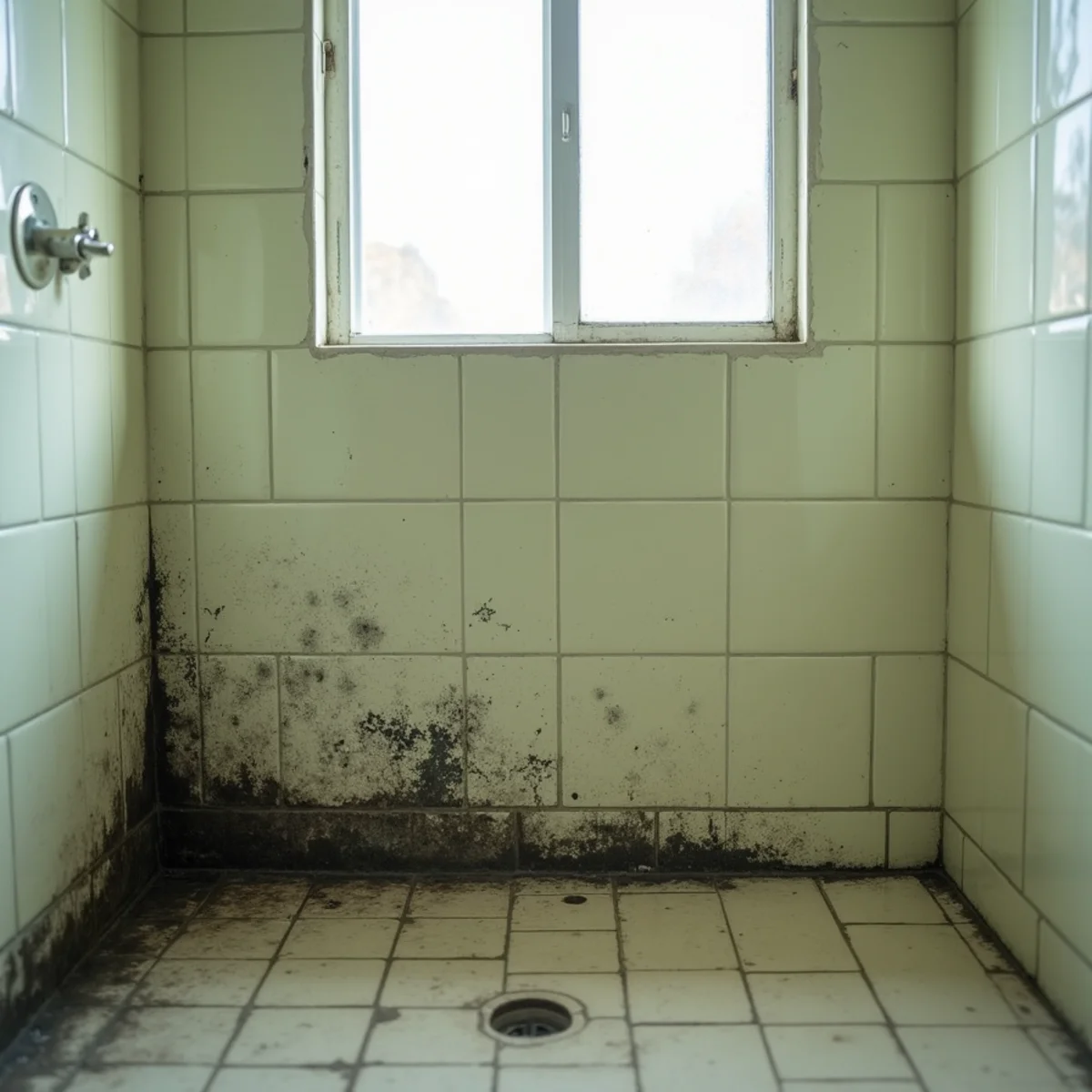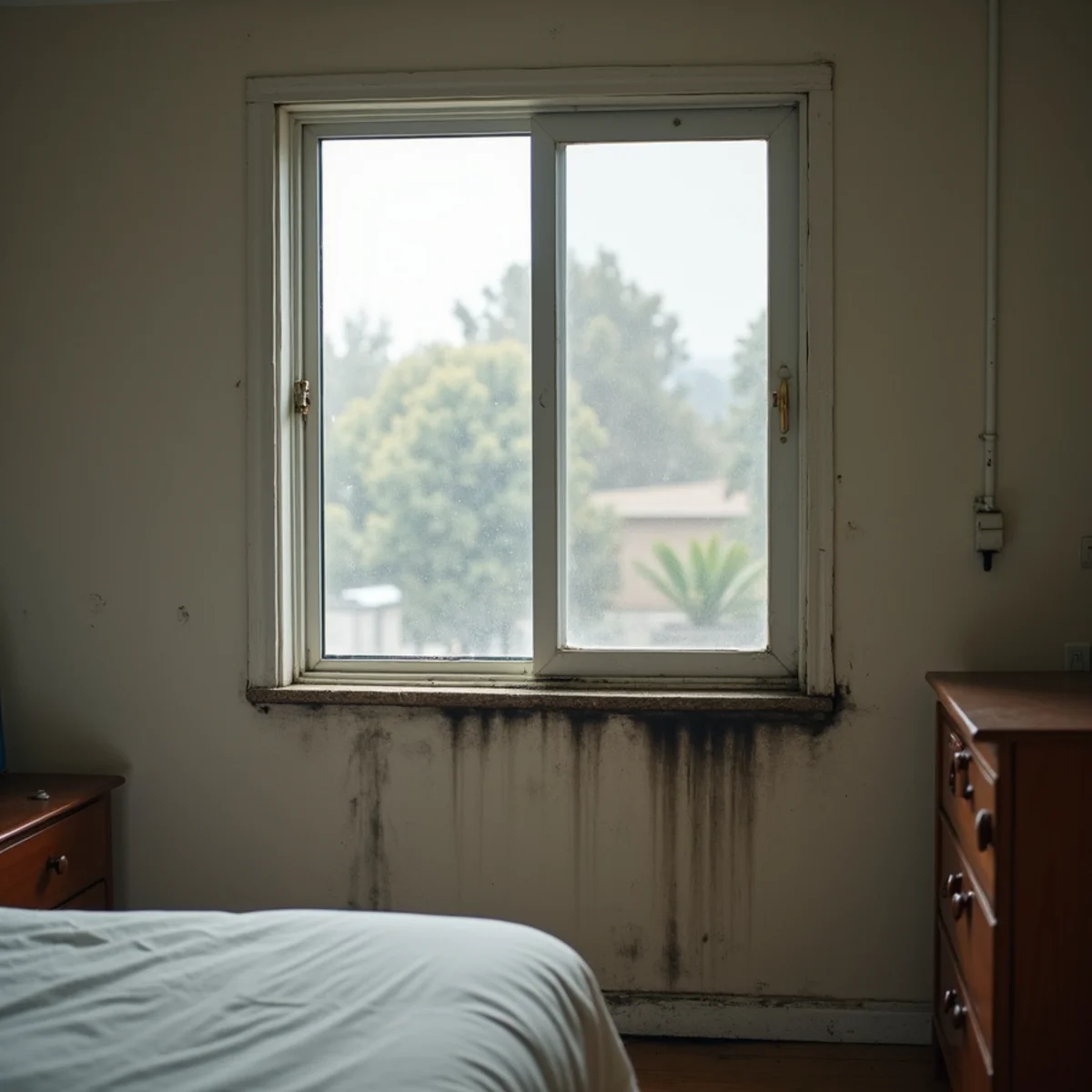
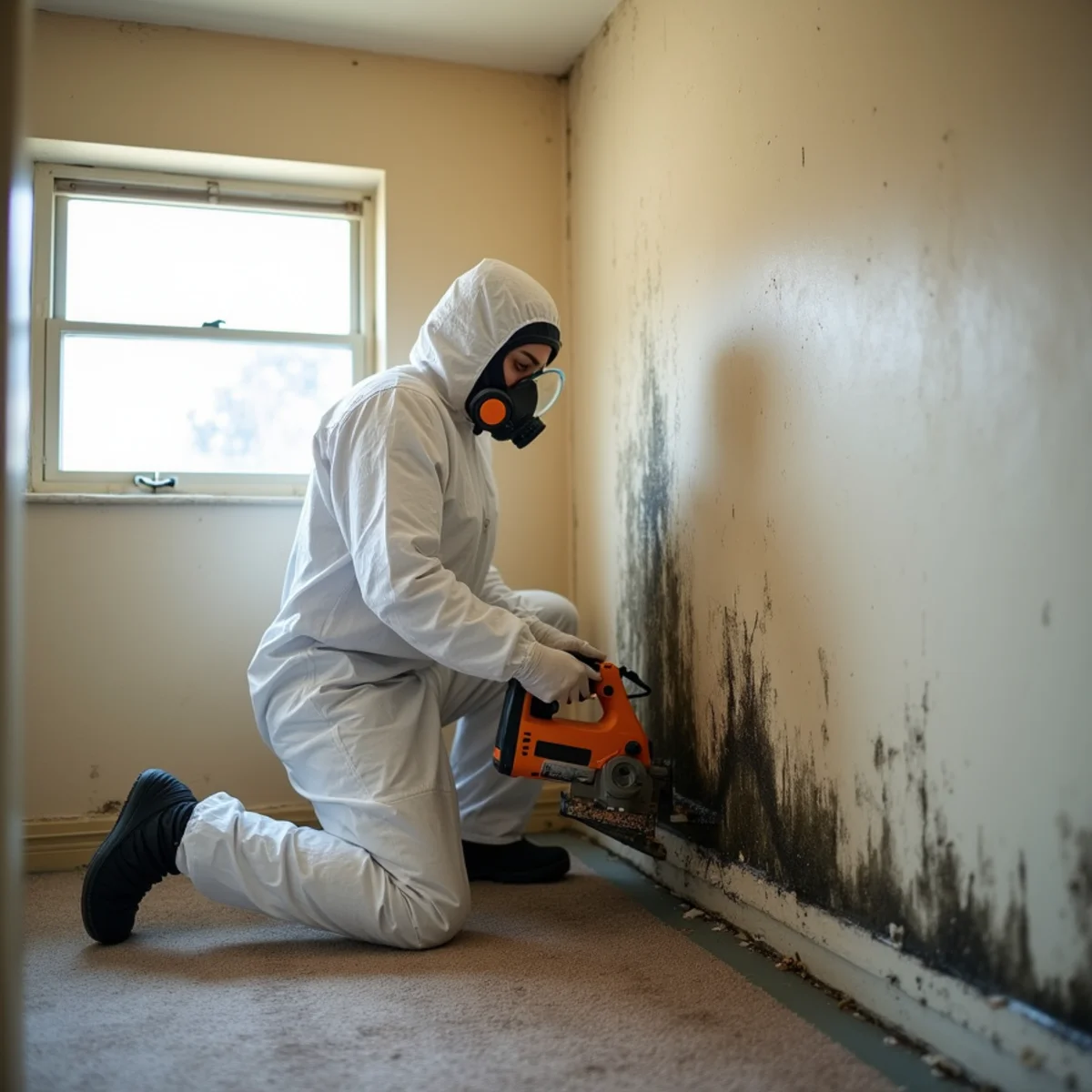
If you have found black mold on drywall, around a window or behind a shower in Buena Park, call (831) 303-1192 and a live person will answer, day or night, and line up the nearest available crew. The patch you can see is usually the smaller part of the job: dark mold grows where material has stayed wet for weeks, so the back of the drywall is often affected too.
Buena Park Mold & Water Damage Pros connects callers with independent mold remediation contractors who seal off the area, remove what cannot be cleaned and find the water that fed the growth. In a city where the median home was built in 1965, that is usually a copper line under the slab, a worn-out shower pan or a leaky window. You get the scope and price in writing before work starts.
Reviewed by the Buena Park Mold & Water Damage Pros team · Updated · Process references: IICRC S520 (2024), CDPH mold guidance, CSLB contractor rules
The short answer
Black mold removal in Buena Park means sealing the area with plastic containment, running HEPA air filtration under negative pressure, cutting out wet or moldy drywall and insulation, cleaning the framing, and fixing the leak that fed the growth. Color alone does not prove the species or the risk. Only a lab can identify Stachybotrys.
Is it really black mold? Stachybotrys vs other dark molds
“Black mold” is a popular name, not a species. People usually mean Stachybotrys chartarum, a slow-growing, greenish-black mold that needs material to stay wet for a long time. It feeds on cellulose, such as the paper face of drywall.
Other dark molds are more common in Buena Park homes:
- Cladosporium: olive-green to black, on window sills, painted walls and refrigerator gaskets.
- Aspergillus niger: black and powdery, on damp surfaces and household dust.
- Alternaria: dark gray to black, in showers, under leaking sinks and on wet window frames.
Nobody can identify the species by sight. Only a lab can, from a tape lift, swab or bulk sample taken through our mold testing and lab sampling service.
Name the material and the water before the label
Before anyone calls your growth “black mold”, they should tell you which materials are affected and what keeps them wet: active, intermittent or already fixed. Those findings set the containment size and what comes out. A species name from a lab can come later, if it answers a real question.
Where black mold grows: chronically wet drywall, slab leaks, shower walls, window sills
Stachybotrys and its look-alikes need moisture that stays put. In Buena Park ranch homes, four spots produce most calls.
Chronically wet drywall
A slow drip inside a wall can run for months before the paint bubbles, and by then the back of the drywall is often dark.
Slab-edge walls and baseboards
Orange County water is very hard, about 15 grains per gallon, and over decades it pits the copper lines under 1950s and 1960s slabs. A pinhole wicks water up the bottom of the drywall, leaving black growth along the lower inches of the wall. See mold after a slab leak or other water damage.
Shower walls in original bathrooms
Many homes in Bellehurst and around the Los Coyotes Country Club still have original tile and no exhaust fan. A cracked shower pan soaks the wall from inside while the grout looks fine.
Window sills
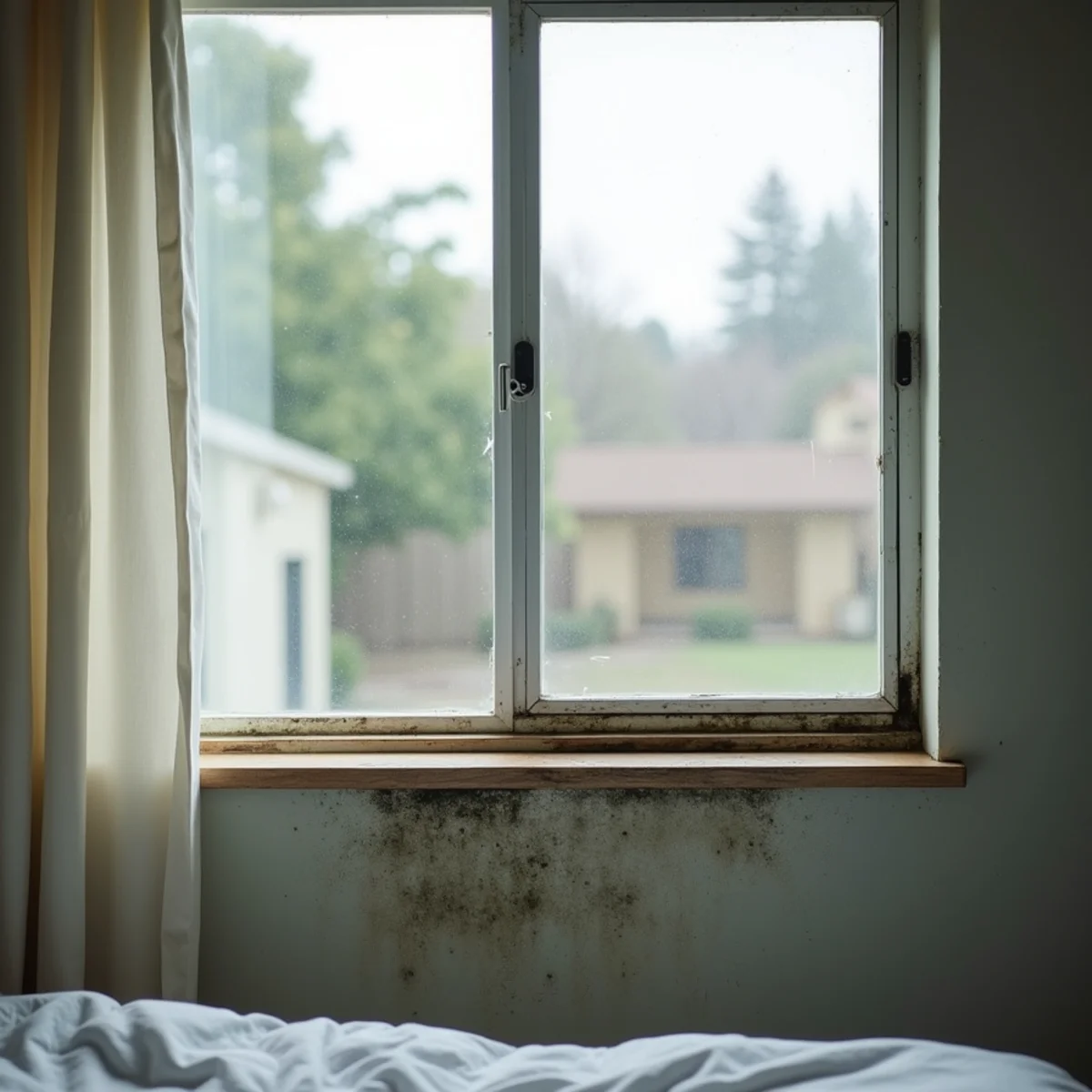
Single-pane aluminum windows collect condensation on marine-layer mornings in May and June, then leak during winter storms, keeping the sill and the drywall below it wet.
Health concerns and who should stay out of the area
Mold of any color can trigger allergy and asthma symptoms such as sneezing, itchy eyes or wheezing. This page does not diagnose anything; if someone has symptoms, talk to a doctor. Until the work is done, keep these people out of the room:
- Anyone with asthma or other breathing problems
- Infants and young children
- Older adults
- Anyone with a weakened immune system
“Toxic black mold” is a popular term, not a diagnosis, and dark color tells you nothing about what anyone was exposed to. The California Department of Public Health sets no official safe mold level and does not recommend testing as a first step.
What not to do: scrubbing, bleach, fans and painting over it
Many black mold jobs grew because of a weekend fix. Avoid these:
- Dry scrubbing or sanding. It throws spores through the house and never reaches the growth inside the paper.
- Bleach on drywall. It lightens the stain, but its water soaks into porous drywall and the growth continues. EPA guidance does not recommend biocides like bleach for routine mold cleanup.
- Fans blowing across it. A fan pushes spores into the room and the return vent. Drying equipment belongs inside containment.
- Painting over it. The mold keeps feeding behind the paint film.
- Kill-primer over wet material. Mold-resistant primers are a finishing step for clean, dry framing. Over wet drywall they seal the moisture in.
Instead, shut off a leaking valve if it is safe to reach, close the door, turn off the HVAC if a return vent is nearby, take photos, and call (831) 303-1192.
Porous vs nonporous: what can be cleaned
Dark growth roots into porous materials, so drywall, insulation, carpet pad and ceiling tile that have it are cut out and bagged, not scrubbed. Nonporous surfaces such as tile, metal, glass and sealed concrete can be cleaned once the water is stopped. Framing lumber sits in between: sound studs are HEPA vacuumed, wiped and sanded where growth stained the surface. Leave porous material in place until the scope is written, because the stain pattern shows where the water traveled.
How black mold removal is done: containment, removal of wet materials, HEPA cleaning
The crew follows the containment and removal approach described in IICRC S520:
- Assessment. Moisture readings show how far the water traveled, and the source is identified before demolition.
- Asbestos check. In homes built before 1980, joint compound, popcorn ceilings and sheet flooring can contain asbestos. South Coast AQMD Rule 1403 requires a survey before disturbing them, except under 100 square feet of intact material in a single-family home. A survey adds a day or more; abatement goes to a separately certified contractor.
- Containment. Plastic sheeting with a zipper door seals the area, and a HEPA air scrubber holds it under negative pressure.
- Removal. Moldy drywall, insulation and baseboard are cut out past the wet area and bagged.
- Cleaning. Studs and slab are HEPA vacuumed and wiped; growth on wood is sanded off.
- Drying and final check. The cavity is dried to normal readings. Independent clearance testing is available.
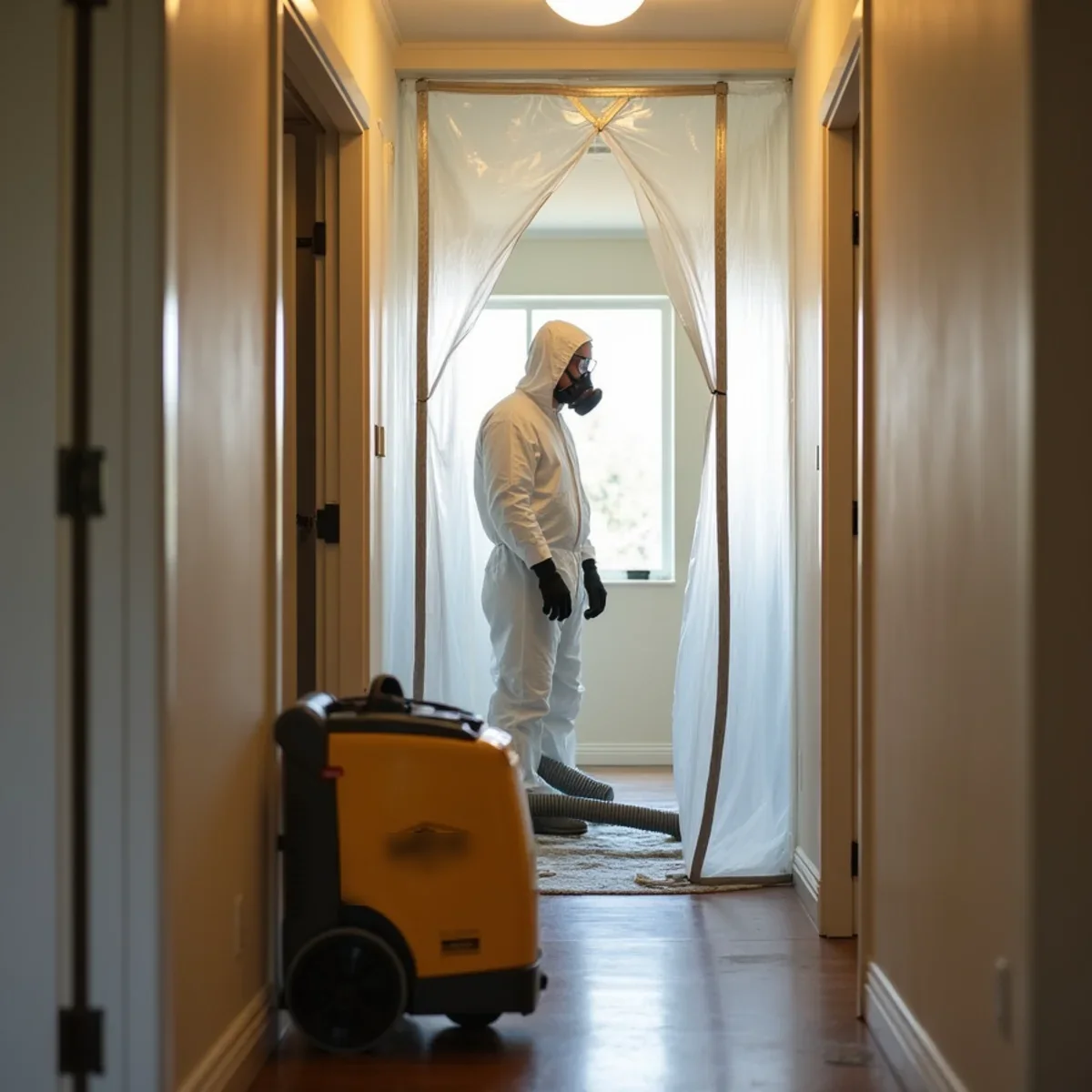
Negative air pressure, in plain terms
The air scrubber pulls air out of the sealed area through its HEPA filter faster than air can leak in, so any gap in the plastic draws house air toward the work, not spores toward the house. Keep the zipper door shut and the machine running, overnight too. If spores could reach a return vent, the HVAC stays off and the grilles inside the work area are sealed over.
Verification before rebuilding
The open wall is your last look at the studs and bottom plate. Before new drywall goes up, ask for framing readings that match an unaffected wall, photos of the cleaned cavity, a record of what was bagged and removed, and the name of the trade that fixed the leak. If clearance testing is planned, ask who takes the samples and what result counts as a pass. The California Department of Public Health notes that a test result alone does not prove the work succeeded.
Structural rebuild work can require a CSLB-licensed contractor; check any company on the CSLB license lookup. Every mold remediation crew we send is licensed where California requires it, and insured. See our mold removal service in Buena Park for the room-by-room view.
Finding and stopping the water that feeds it
Remove black mold without fixing the water and it returns, often within one rainy season. The crew names the source in writing; the repair goes to the right trade:
- Slab leak: a leak-detection plumber, who may reroute the line through the attic.
- Failed shower pan: a plumber or tile contractor.
- Roof leak: a roofer, before the next winter storm.
- Window condensation: a vented bathroom fan or new windows.
Along the Coyote Creek channel, where much of Buena Park's flood risk sits, also check the grade and stucco weep screed after heavy rain.
Black mold in rentals: tenant and landlord steps in California
About 45.6% of Buena Park households rent. SB 655, passed in 2015, added visible mold growth to Health and Safety Code 17920.3 as a substandard-housing condition. Minor growth on surfaces that normally get wet, such as a shower, is excluded.
If you are a tenant
- Notify the landlord in writing, with photos and dates.
- Report an active leak right away.
- Do not paint over it or remove drywall yourself.
- If nothing happens, city code enforcement can inspect the unit.
If you own or manage the building
- Respond quickly and document the unit first.
- Fix the water source, which often reaches neighboring units.
- Keep photos and readings on file.
Our apartment and rental mold remediation service handles occupied units, and our article on who is responsible for mold in a California rental walks through the law.
What affects black mold removal cost
Each job is priced from its own scope, in writing, before work starts. The main factors:
- Square footage of affected material, including what is behind the wall
- Location: a garage wall is simpler to contain than a bathroom
- Rooms under containment and any ductwork involvement
- An active leak that adds drying time
- An asbestos survey in pre-1980 homes, and abatement if one is needed
- Optional testing before work or clearance testing after
- Rebuild of drywall and flooring, often priced separately
The label should not set the price. Containment, removal and cleaning are the same whether a lab later names Stachybotrys or Cladosporium, so a quote that climbs only because someone said “toxic” is pricing the word, not the work. Ask whether each estimate is based on measured moisture and documented boundaries or just the visible patch, and compare two written scopes line by line. Published local ranges are in our mold remediation cost guide for Buena Park.
Crews cover all of Buena Park and the cities in our mold service area, including mold removal in La Palma, Cypress mold remediation and mold removal in La Mirada. Call (831) 303-1192 to set up a visit.
Black Mold: common questions from Buena Park
Is black mold dangerous to live with?
Any mold growing indoors can trigger allergy and asthma symptoms. Color does not tell you how concerning a growth is, and we make no medical claims. People with asthma, infants, older adults and anyone with a weakened immune system should stay out of the affected area and talk to their doctor about symptoms. The practical answer is the same for every kind: close the area off, leave it alone, and have it removed and the moisture fixed.
How do I know if the black growth in my shower is toxic mold?
You cannot tell by looking, and neither can a contractor. Dark spots on grout and caulk are often surface mildew or a common mold that cleans off. Growth that returns within days, soft grout, loose tile or a stain on the wall behind the shower suggests water inside the wall. Only a lab sample can name the species. Our guide to black mold vs mildew in the bathroom explains the difference.
Do I have to move out during black mold removal?
Usually not. Most single-room jobs are sealed with plastic containment under negative air, so the family can use the rest of the house. Leaving for a day or two makes sense when the only bathroom or the kitchen is inside the work area, when several rooms are affected, or when someone in the home has asthma or a weakened immune system. The written scope tells you what to expect before work begins.
How fast can black mold spread after a leak?
Mold in general can start on wet drywall within 24 to 48 hours, the window EPA guidance uses for drying. Stachybotrys is slower and tends to appear after material has stayed wet for a week or more, which is why it so often follows slow leaks nobody noticed. Stopping the leak and drying the area matters more than anything sprayed on the surface.
Do I need a lab test to confirm Stachybotrys before black mold removal?
Usually not. The removal plan is the same for any dark mold: contain the area, cut out porous material with growth in it, HEPA-clean the framing and fix the water. A species name does not change those steps. Sampling earns its cost when it answers a specific question, such as growth you suspect but cannot see, a landlord-tenant dispute, or clearance after the work. Our air and surface mold testing page explains the options.
Does black mold cost more to remove than other mold?
Not because of its color or name. Price follows the scope: how much material is affected, how many rooms need containment, how hard the area is to reach, whether the leak is still active, and whether an asbestos survey or rebuild is needed. A small dark patch on a bathroom wall can be a smaller job than a pale growth spread across a garage ceiling. If a quote rises only after someone says “toxic”, ask what extra work it covers.
Black Mold beyond Buena Park
The same crews cover the cities around Buena Park, 5 to 20 minutes out by I-5, SR-91 and Beach Boulevard. See how black mold works in the housing stock of each city, or view all mold remediation service areas.