Black Mold vs Mildew: How to Tell What Is Growing in Your Bathroom
By Buena Park Mold & Water Damage Pros 8 min read
Quick answer
Mildew is a thin, flat growth that sits on top of grout, caulk and painted surfaces. It is usually gray or white, sometimes light black, and it wipes off with a household cleaner. What people call black mold is usually darker, fuzzy or slimy, comes back soon after cleaning, and often grows from inside the material, such as drywall behind a failed shower pan. Color cannot tell you the species; only a lab can. If a spot returns within weeks, the wall feels soft, or the room smells musty, treat it as mold.
What mildew is
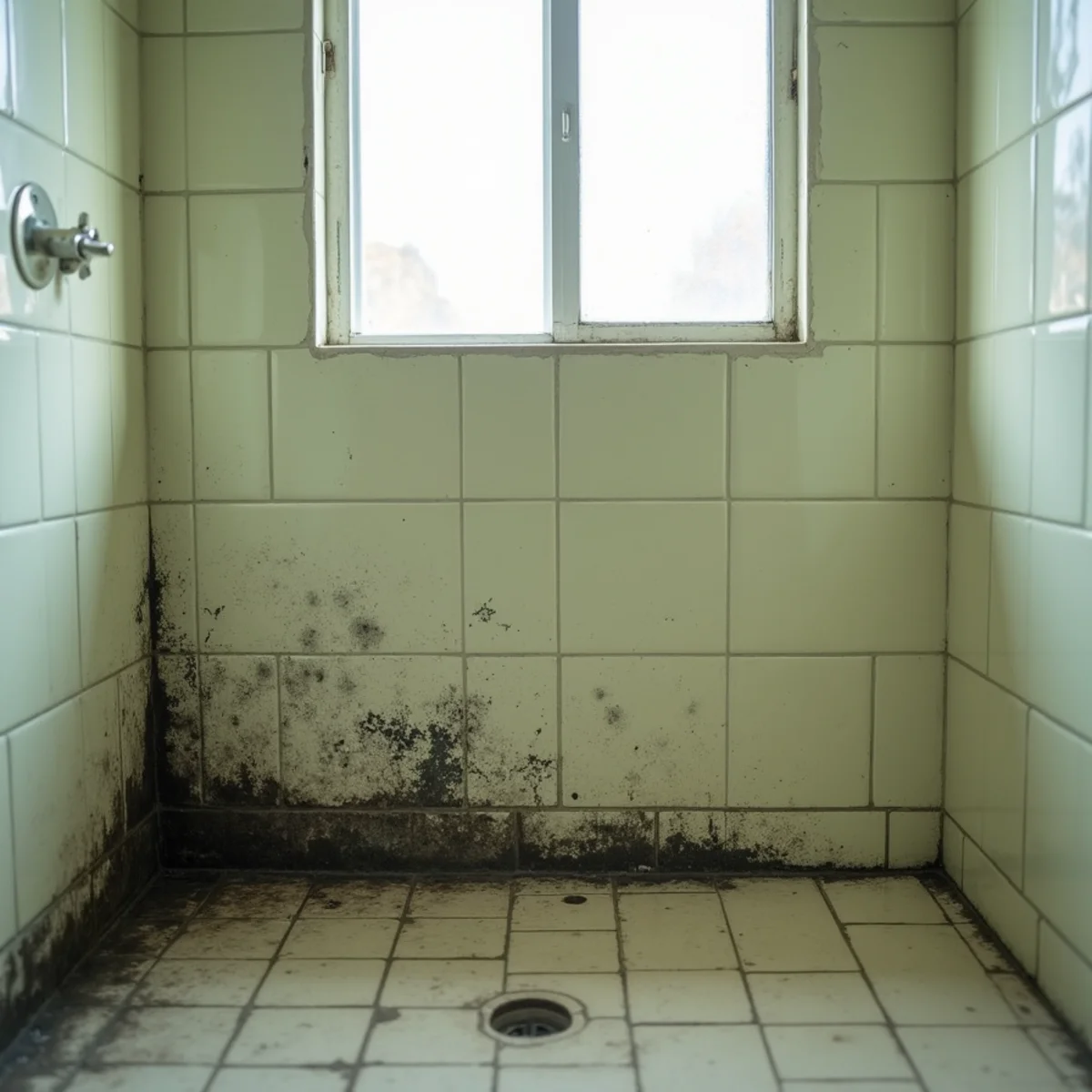
Mildew is the everyday name for mold growing flat on a surface that gets wet and then dries. In a bathroom it shows up on grout lines, silicone caulk around the tub, the bottom of the shower curtain and the ceiling above the shower. It stays on top, because the tile, glaze or paint underneath gives it nothing to root into.
Mildew is a housekeeping problem. It comes from steam that has nowhere to go, and it answers to cleaning and ventilation. That is why the state excludes minor growth on surfaces that normally get wet, like a shower, from its substandard-housing rules for rentals.
What people mean by black mold
Black mold is a popular term, not a diagnosis. Many mold species look dark green or black. The one people usually mean, Stachybotrys chartarum, grows on materials that stay wet for a long time, especially the paper face of drywall. You cannot confirm it by looking.
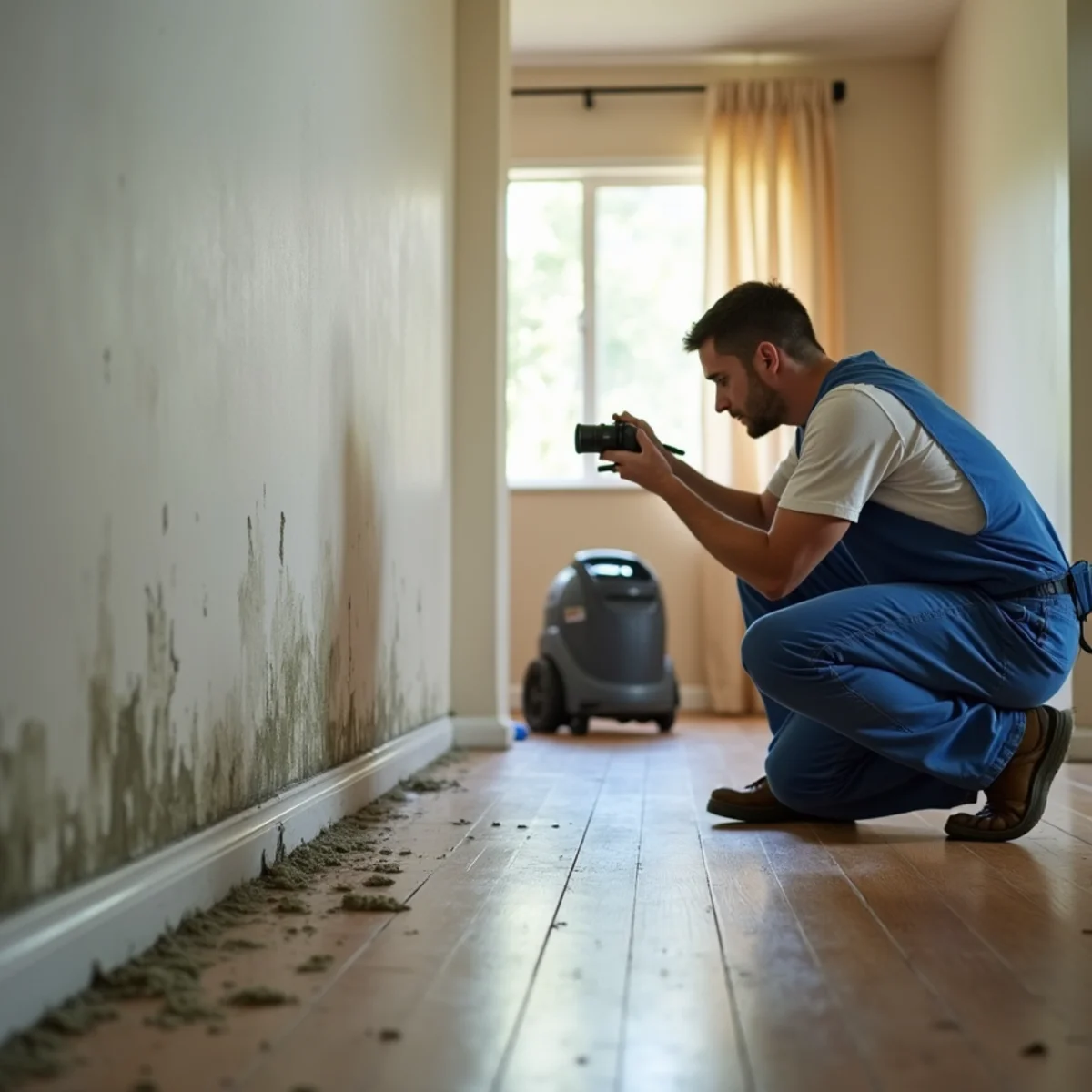
The name matters less than where the growth is. Dark growth that is in the drywall, behind tile or under flooring means water has been getting into the building for a while. That calls for finding the leak and removing the damaged material, regardless of species.
Mold of any color can trigger allergy and asthma symptoms. People with asthma, infants, older adults and anyone with a weakened immune system should stay out of the area during cleanup and talk to their doctor with any health questions.
Color is not a hazard rating either. The EPA points out that black mold is not a species or a specific kind of mold. A gray patch growing out of wet drywall needs the same attention as a black one.
Mildew vs mold: a side-by-side check
| Sign | Usually surface mildew | Usually mold in the material |
|---|---|---|
| Where it grows | Grout, caulk, shower curtain, painted ceiling | Drywall, baseboards, behind tile, under vanity |
| Look and texture | Flat, powdery, gray or white to light black | Fuzzy or slimy, dark green or black, sometimes stained around the edges |
| After cleaning | Stays gone for weeks with good ventilation | Returns within days or weeks in the same spot |
| Smell | Faint or none | Musty, stronger with the door closed |
| The surface underneath | Hard and sound | Soft, swollen, bubbling paint or loose tile |
Bathroom materials: what cleans and what has to go
| Material | Porous or nonporous | What usually happens |
|---|---|---|
| Glazed tile, glass, tub, metal fixtures | Nonporous | Scrub with detergent and water, then dry completely |
| Grout and silicone caulk | Grout absorbs water; caulk can trap it behind | Clean first. If spots stay or the caulk is lifting, cut it out and redo it once dry |
| Painted drywall, wood baseboard, particleboard vanity | Porous | Spots on sound paint can be cleaned. Growth that stains through, softens or swells the material is cut out |
Do not scrape a popcorn or textured bathroom ceiling in a pre-1980 home to get at the spots. Those finishes can contain asbestos.
The bleach test and what it actually proves
The test you will see recommended online goes like this: dab a little diluted bleach on the spot with a cotton swab and wait a minute or two. If the spot lightens quickly, it is probably mildew. If it stays dark or comes back, it may be mold.
It proves very little. Bleach lightens many kinds of mold as well as mildew, and it only tells you about the surface you touched. It says nothing about what is growing on the back of the drywall or under the tile, which is where the real problem usually hides.
Why older Buena Park bathrooms grow the harder kind
The median Buena Park home was built around 1965, and many still have original bathrooms. Two features of those rooms turn a mildew problem into a mold problem.
No exhaust fan
Many 1950s and 1960s bathrooms were built with only a small window. On damp marine-layer mornings in May and June, a shower's steam has nowhere to go, and the ceiling and upper walls stay wet for hours. Mildew on the ceiling paint is the first sign. Growth into the drywall is the second.
A failed shower pan
Original tiled showers sit on a pan underneath the mortar bed that is meant to catch water and send it to the drain. After decades it can crack or corrode, and water leaks into the wall and the slab around it. You see clean-looking grout in the shower and dark growth somewhere else.
- Loose or hollow-sounding tiles near the base of the shower
- Cracked grout or caulk where the wall tile meets the floor
- A stained or swollen baseboard outside the shower
- Bubbling paint or dark spots on the other side of the shower wall, often in a hallway or closet
The same patterns turn up in two-story apartment blocks, where a leaking pan upstairs shows as a ceiling stain in the unit below.
When lab testing makes sense
Species identification needs a lab: a tape lift, swab or air sample analyzed by a microscopist. The California Department of Public Health sets no official safe level and does not recommend testing as a first step, because finding and fixing the water matters more than naming the mold.
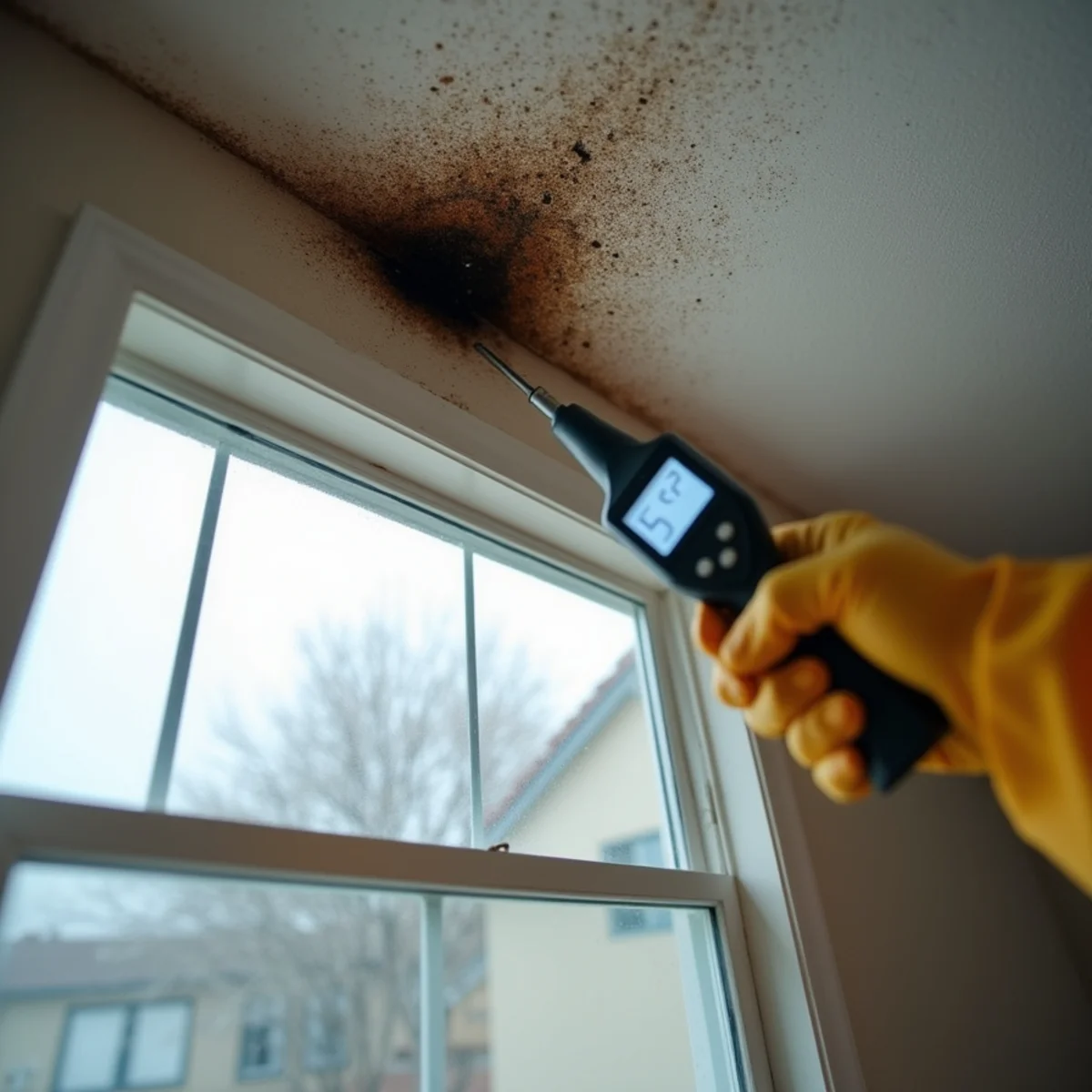
Mold testing with lab analysis earns its cost when a landlord, buyer or doctor asks for results on paper, or as clearance testing after removal. If you only want to know whether there is water in the wall, a mold inspection with a moisture meter answers that more directly.
What to do next
- Clean surface spots on tile and grout with a household bathroom cleaner and dry the area.
- Run a fan or open the window during and for 30 minutes after every shower.
- Recaulk where the tub or shower meets the wall if the old caulk is cracked or stained through.
- Watch the spot. If it comes back within weeks, or you find any of the shower pan warning signs, stop cleaning and have the wall checked.
A quick checklist before you clean it yourself
- It is only on tile, glass, grout or caulk.
- The patch is small. The EPA says areas under about 10 square feet, roughly 3 by 3 feet, can usually be handled by the homeowner.
- The wall beside the shower feels hard and the paint is flat.
- There is no musty smell in the hallway or closet next door.
If every line fits, treat it as mildew. If any one does not, it is worth a moisture reading before you scrub.
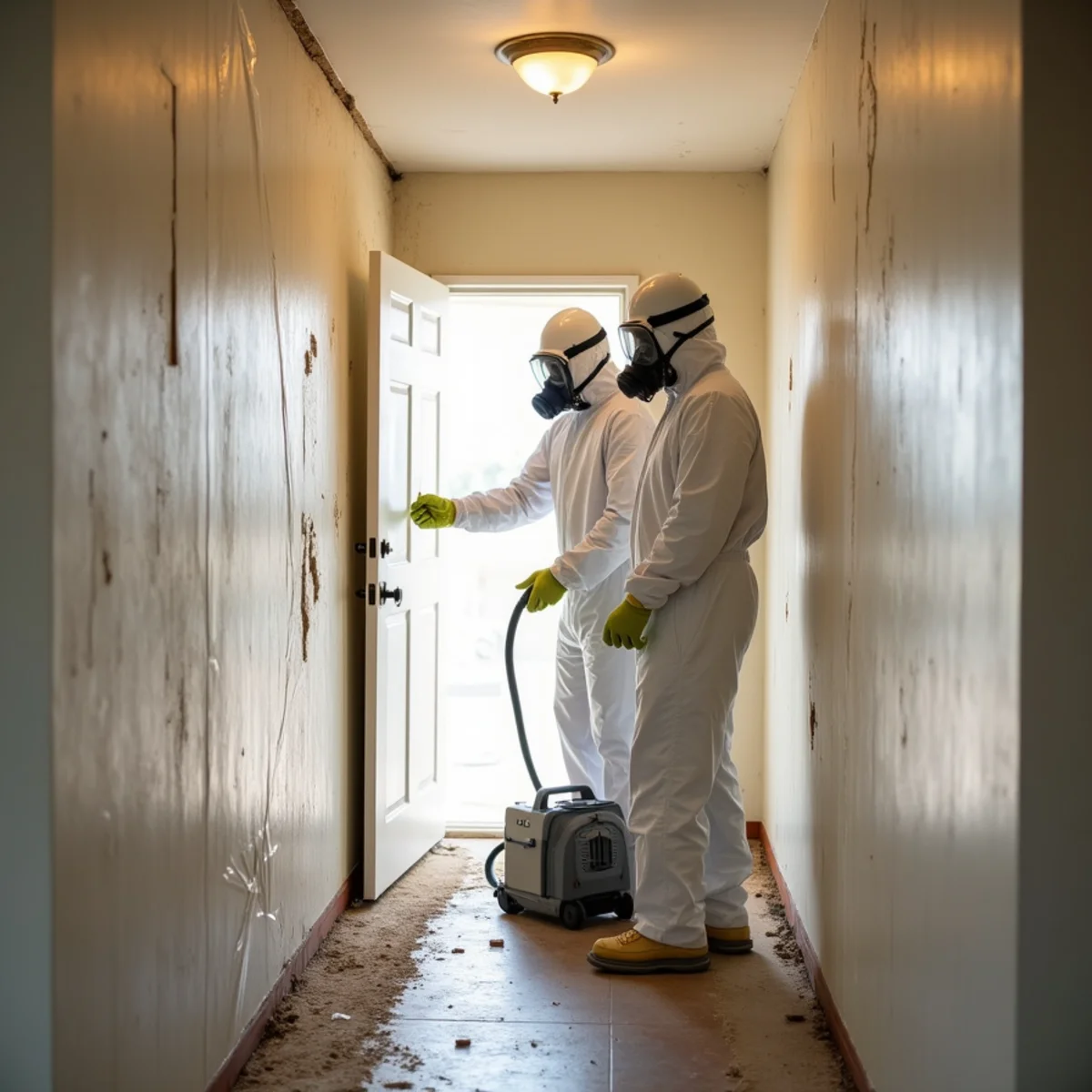
Growth inside the wall calls for black mold removal under containment, with the drywall cut out, the leak fixed and the cavity dried before anything is closed up. In a pre-1980 home, an asbestos survey under South Coast AQMD Rule 1403 may be required before the wall is opened. The same work is common next door in Fullerton, where older downtown homes and student rentals see bathroom mold.
Not sure what you are looking at?
Call (831) 303-1192 any hour to reach Buena Park Mold & Water Damage Pros. We connect you with the nearest available independent mold remediation crew. Every mold remediation crew we send is licensed where California requires it, and insured. You get the moisture source identified, photos and moisture readings for your file, and the scope and price in writing before work starts.
Related questions
Is mildew harmful?
Mildew is still mold, and any mold can trigger allergy and asthma symptoms in sensitive people. Surface mildew on grout is usually a cleaning and ventilation issue rather than a sign of a bigger problem. Clean it with gloves on and the window open, and anyone with health concerns should talk to their doctor.
Can I just paint over mildew on the bathroom ceiling?
Not until it is cleaned and the room is ventilated better. Paint over live growth usually peels and the spots show through again. Clean the ceiling, let it dry fully, then use a bathroom-rated paint. If the drywall is soft or stained through, the problem is inside the material and paint will not fix it.
How do I know if my shower pan has failed?
Look outside the shower, not inside it. Stained or swollen baseboards next to the shower, loose tiles near the floor, bubbling paint on the other side of the wall and a musty smell in the hallway are the usual signs. A moisture meter reading on the wall next to the shower confirms whether water is getting out.
Why does mildew keep coming back on my shower caulk?
Usually because water sits behind it. Silicone that has pulled away from the tile or tub holds moisture against the joint, and growth in that gap returns however often the surface is wiped. Cut the old caulk out, clean the joint, let it dry fully and recaulk, since the EPA advises against caulking over mold. If spots return after that, have the wall behind the shower checked with a moisture meter.
Who handles bathroom mildew in a rental, the tenant or the landlord?
Routine mildew on grout, caulk and shower walls is usually part of the tenant's cleaning, and California's substandard-housing rule excludes minor mold on surfaces that normally get wet. A broken exhaust fan, a leaking shower pan or mold growing into drywall is a repair for the landlord, so report it in writing. Our guide to landlord and tenant mold responsibility covers notice and timelines. This is not legal advice.