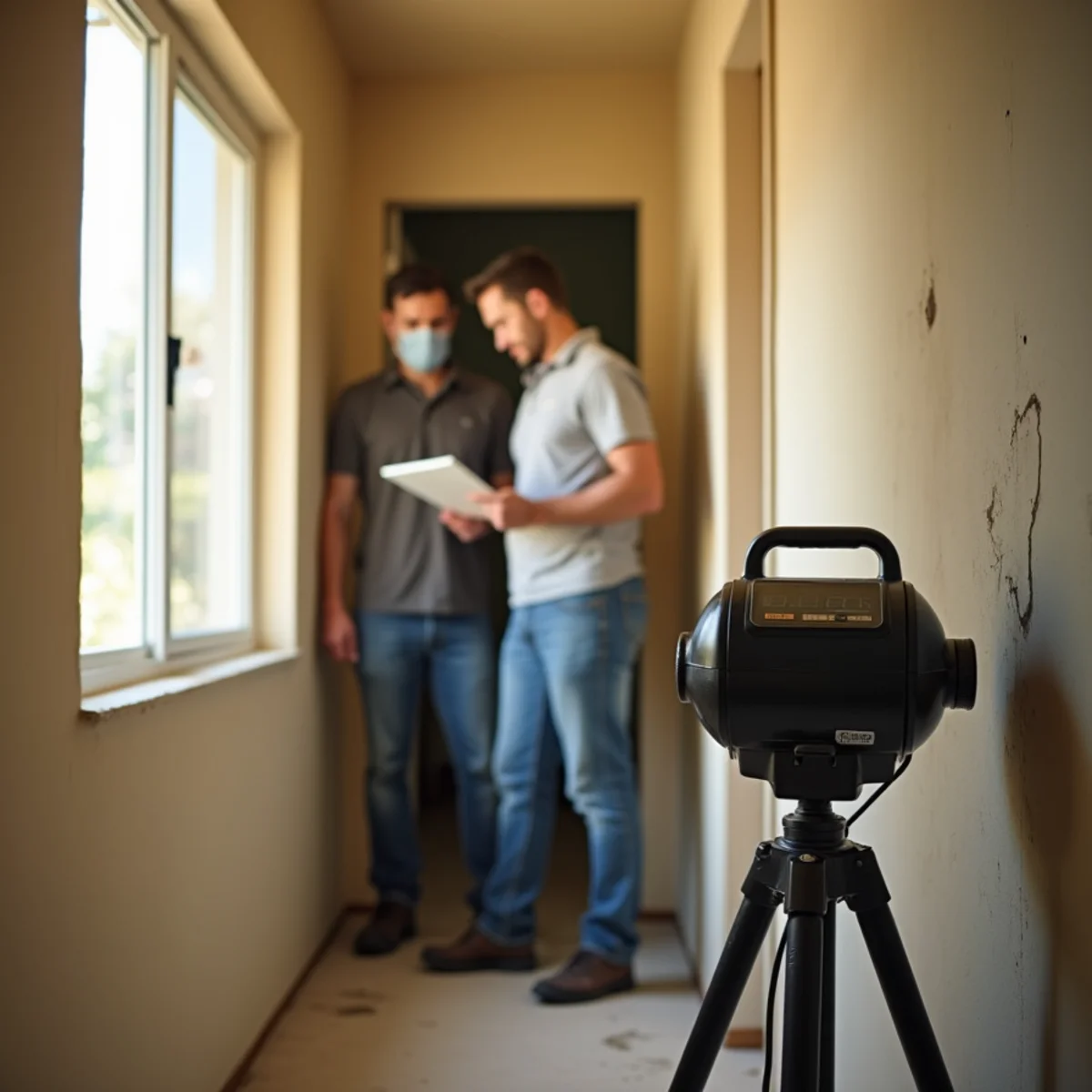
A mold inspection answers two questions: is something growing where you cannot see it, and what water is feeding it. The inspector walks the house with a moisture meter and a thermal camera and writes down what the readings show. In a Buena Park house from the mid-1960s, they usually lead to a bathroom wall, a sink base or an attic that took water in the last storm.
Call (831) 303-1192 any time and a person answers. Buena Park Mold & Water Damage Pros sends an inspector from the independent mold contractors who work this area, and you get findings with photos and readings for your file.
Reviewed by the Buena Park Mold & Water Damage Pros team · Updated · Process references: IICRC S520 (2024), CDPH mold guidance, CSLB contractor rules
The short answer
A mold inspection in Buena Park is a visual walk-through backed by moisture meter readings and thermal imaging, aimed at finding hidden moisture and the mold it feeds. You get written findings with photos, a map of wet areas and the likely source. Lab testing is added only when a specific question needs a lab answer.
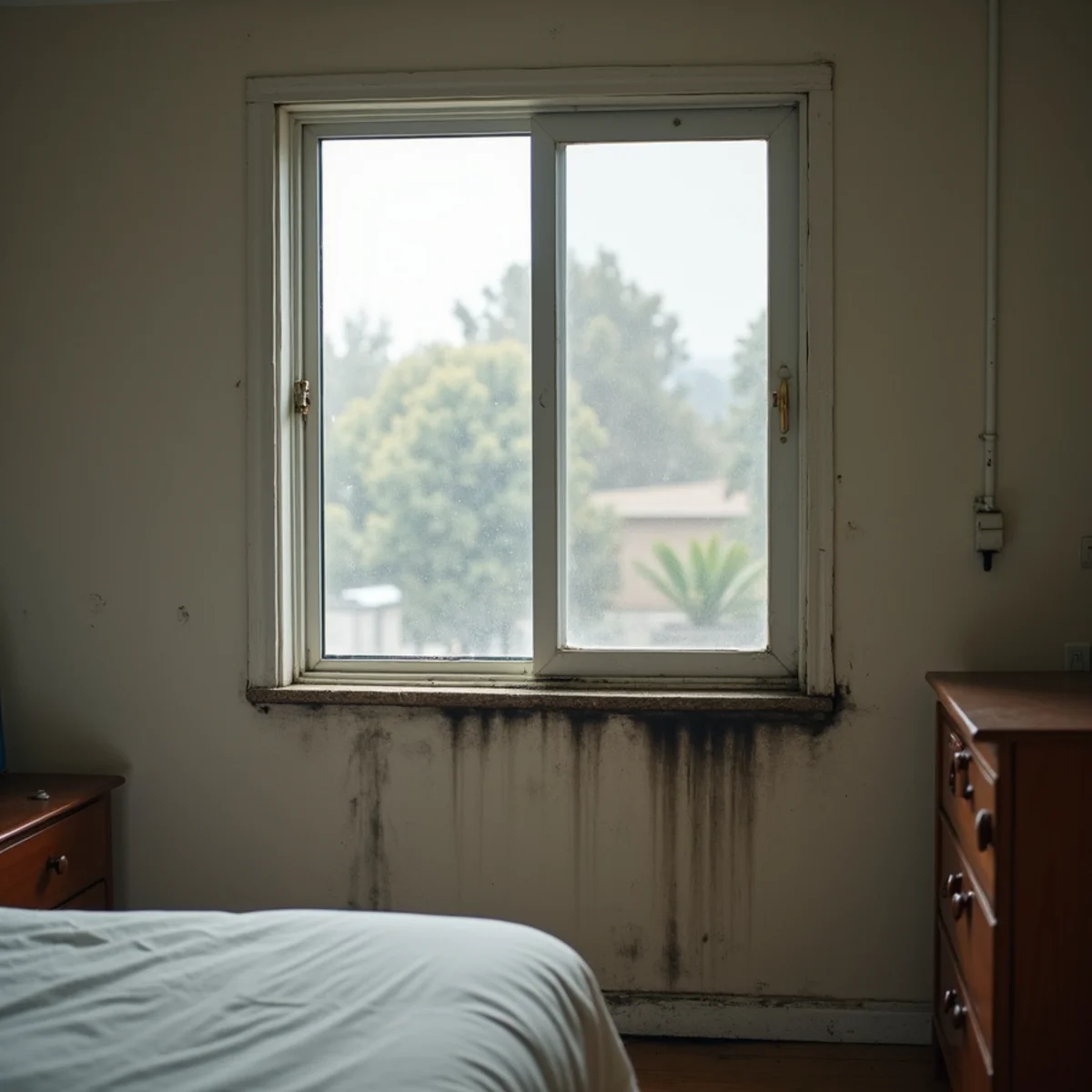
Signs you need a mold inspection: musty odor, stains, a past leak, symptoms that ease when you leave the house
Most people call because of a smell. An earthy odor that hits when you open the house usually means something damp is growing out of sight. In Buena Park it is often strongest on May and June mornings, when the marine layer keeps the air cool and humid until midday.
- A musty odor that returns after airing the house out.
- Stains or paint changes: brown rings on a ceiling, bubbling paint low on a wall, a swollen baseboard.
- A past leak: a slab leak repaired without lifting the floor, or a roof patched after a winter storm.
- Warped flooring: laminate or plank that cups or feels soft near a wall.
- Symptoms that ease when you leave: stuffiness or asthma flare-ups that improve away from home. Tell your doctor; it is a reason to check the house, not a diagnosis.
What the first call sorts out
Most inspections are booked visits, but some calls should not wait for one. Whoever answers (831) 303-1192 asks a few safety questions first:
- Is water still running? Shut it off at the fixture or main if you can reach it safely. An inspector can trace a hidden leak, but a visible one needs a plumber first.
- Is there water near outlets or the panel, a sagging ceiling, or sewage? Stay out of that area and get urgent help through 24/7 emergency mold removal.
- Is anyone vulnerable living there? Keep infants and anyone with asthma or a weak immune system away from the suspect area until it is checked.
What an inspection covers: visual check, moisture meter readings, thermal imaging
A visit to a typical three-bedroom ranch home takes an hour or two.
- History. When the smell started, what has leaked and what has been remodeled.
- Visual check. Every room and closet, under sinks, around tubs, utility closets and the attic where it is safe to enter.
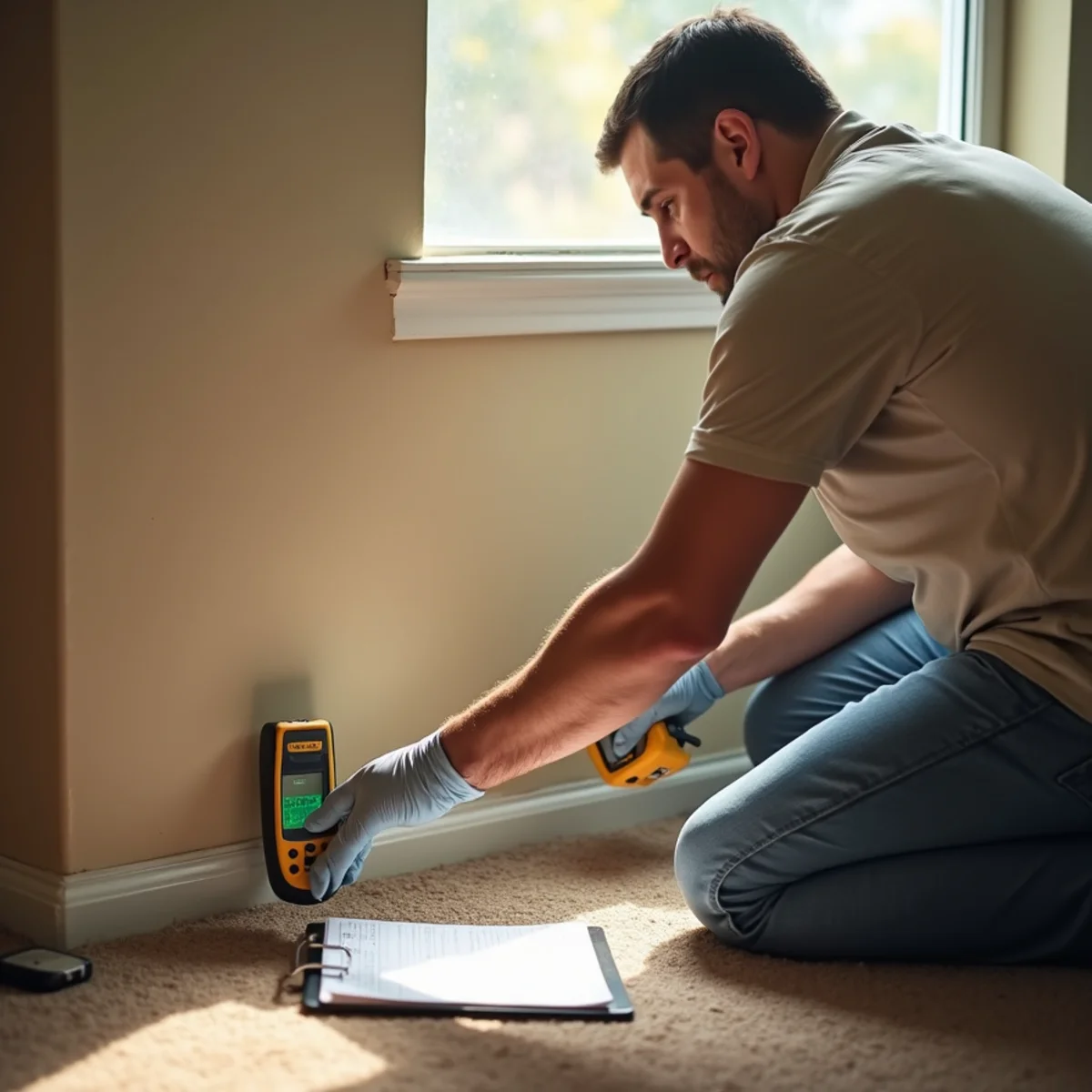
- Moisture readings. Pin and pinless meters measure drywall, baseboards, framing and flooring against a dry reference spot in the same house, so a high number means something.
- Thermal imaging. Evaporating water reads cooler, so a wet patch behind drywall often shows as a cool shape. The camera points to where to take readings; it does not see mold.
- Humidity readings to separate a leak from condensation.
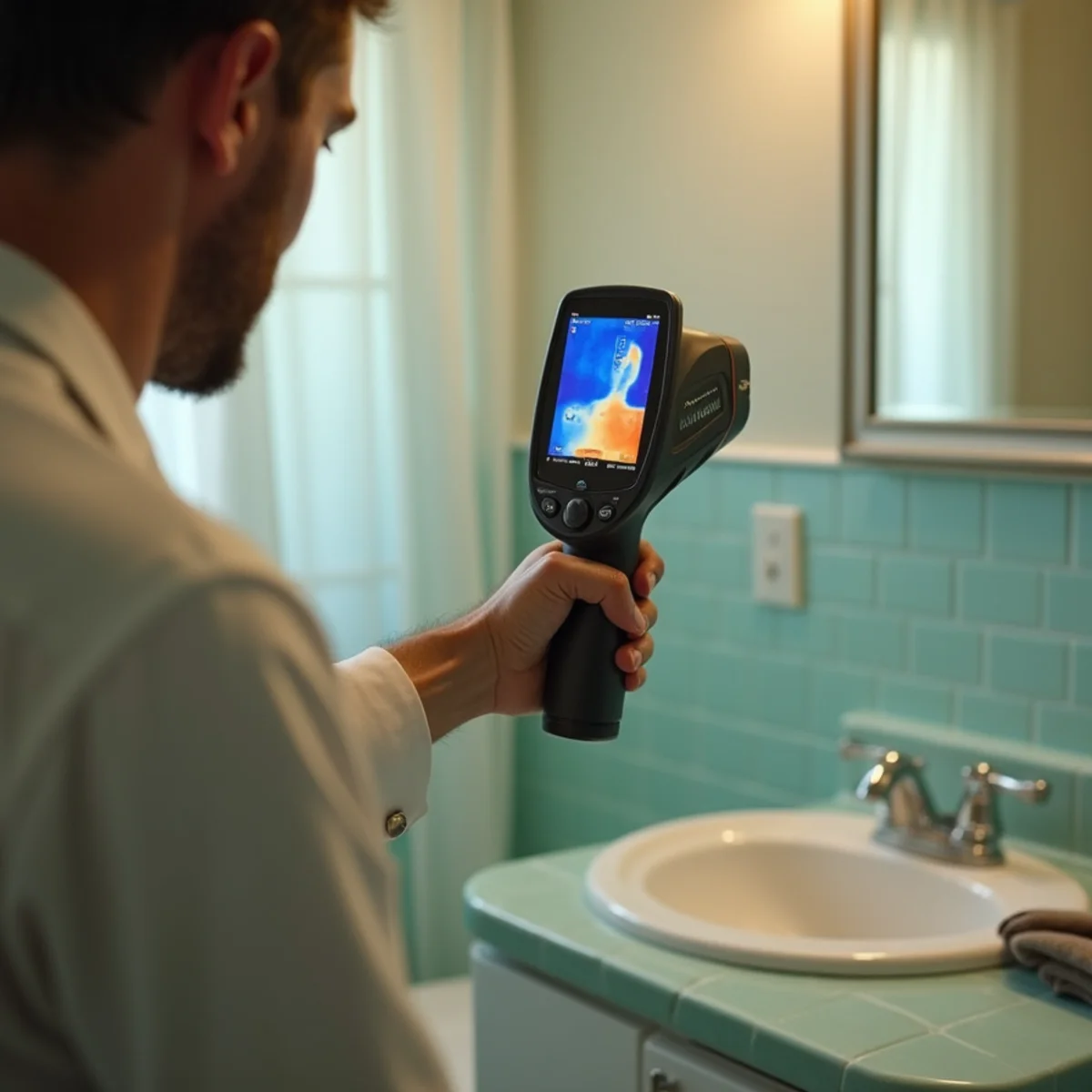
Inspectors should not cut holes without your permission. In a pre-1980 house, even a small opening in drywall or a textured ceiling should be discussed first, because older joint compound and popcorn texture can contain asbestos.
What a moisture meter and a thermal camera can miss
Each tool has blind spots, which is why a careful inspector uses both and notes the limits in the findings.
- Thermal cameras need a temperature difference. On a mild Buena Park day with the windows open, a wet wall and a dry one can look the same. A cold spot can also be missing insulation, a duct or a shaded exterior wall.
- Pinless meters read a shallow depth and give relative numbers. Metal behind the drywall, such as corner bead, nail plates or foil-faced insulation, can read wet when it is dry.
- Pin meters read only where the pins go in, so a wet spot a foot away can be missed. Tile gives unreliable readings, so the inspector measures the wall on the other side or the baseboard below.
Hidden spots in Buena Park ranch homes: slab-edge walls, under sinks, behind showers, attic sheathing
Slab-edge walls
Copper lines under the slab thin out after decades of hard water, and a pinhole can keep the bottom of a wall damp for months without a puddle. Inspectors run a meter along the baseboards of every room that shares a wall with a bathroom, kitchen or laundry.
Under sinks
Sink bases hide slow drips at valves and drain joints. The particleboard cabinet floor swells and grows mold underneath, so the inspector checks it and the wall behind, not only the pipes.
Behind showers
Original 1960s showers rely on a pan liner that eventually fails, letting water into the wall cavity. Readings on the far side of the shower wall tell the story.
Attic sheathing
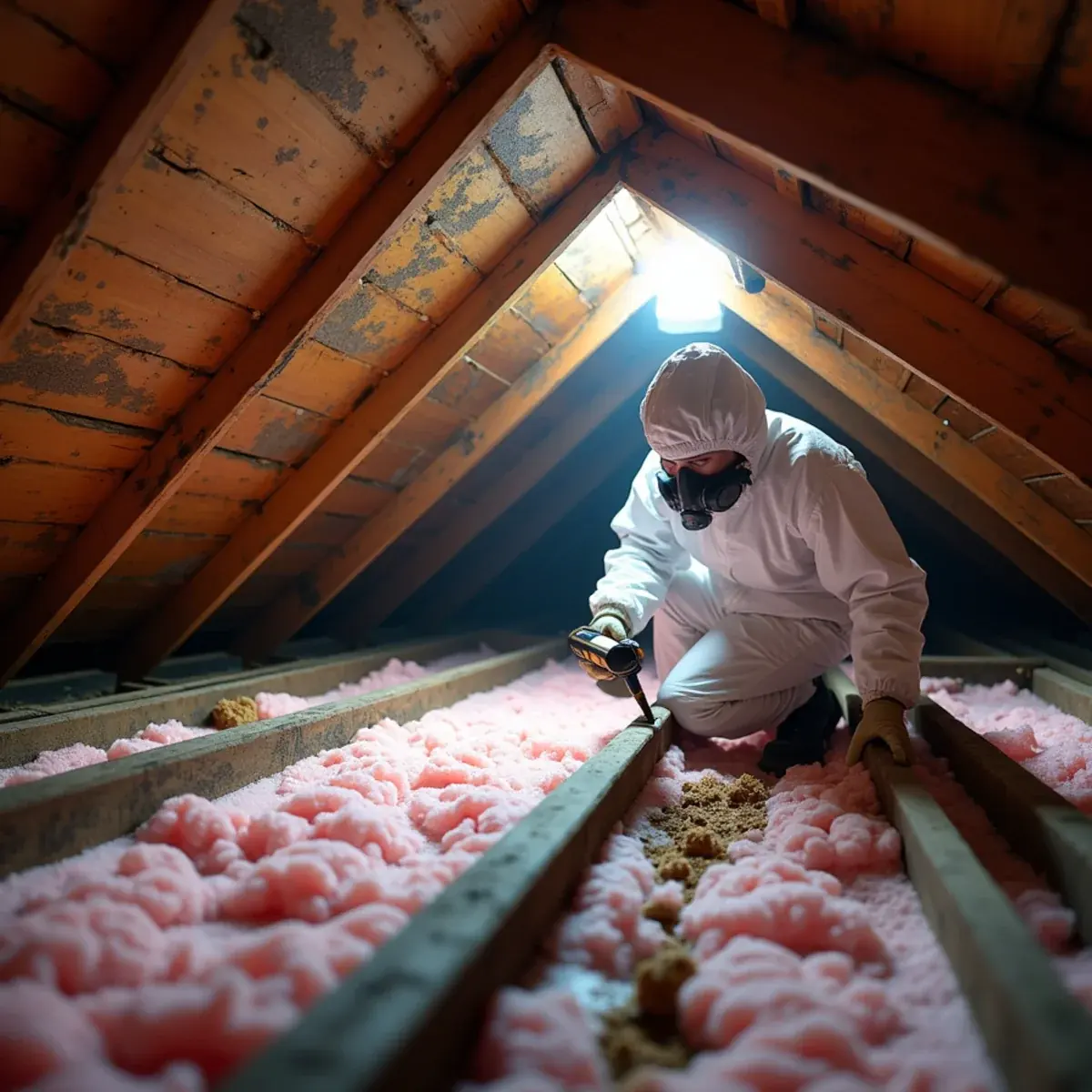
In Bellehurst and other neighborhoods with older roofs, a small leak can wet the sheathing through several storms before a ceiling stain appears. Inspectors look for dark spotting on the roof deck, water trails on rafters, matted insulation and bath fans venting into the attic.
Inspection vs testing: when a visual inspection is enough
An inspection finds moisture and visible or likely growth. Testing sends samples to a lab. A visual inspection is usually enough when growth is visible, the source is known, or the readings already point to the problem. The answer to “is there mold?” is then yes, and the money is better spent on removal and the leak.
Lab work adds value when the smell is strong but the meter finds nothing, or when a buyer or landlord needs a lab result. See mold testing in Buena Park for air and surface sampling, and mold inspection vs mold testing for a fuller comparison.
Mold inspections for buyers and sellers in escrow
The standard California residential purchase agreement gives buyers an investigation contingency of 17 days by default, and competitive offers often shorten it. A mold question that surfaces on day 12 leaves little time for an inspection, written findings and a repair request.
For buyers
- Book early in the contingency period and give us the deadline when you call.
- Ask for photos and readings you can attach to a request for repair.
- Near the Coyote Creek channel, where flood risk is higher, pay attention to the lowest walls and flooring.
For sellers
Inspecting before you list lets you fix a problem on your schedule. California sellers generally must disclose known material defects, and past mold usually counts, so records of what was fixed help. Ask your agent what to disclose; this is not legal advice. If escrow calls for removal, the findings become the starting point for a mold removal scope.
Tenant and landlord inspections: documenting mold under California law
Close to half of Buena Park households rent, many in the two-story apartment blocks along Beach Boulevard. When mold shows up in a unit, both sides benefit from a neutral record.
SB 655 (2015) added visible mold growth to the substandard housing conditions in Health and Safety Code 17920.3, excluding minor growth on surfaces that normally get wet, like a shower. Civil Code 1941.1 sets basic habitability standards. An inspection does not assign fault; it records the facts.
- Tenants: dated photos, readings and a written description to go with a written notice to the landlord.
- Landlords and managers: conditions at the time of the complaint and the likely source, such as a shared plumbing wall, the unit above or window condensation.
For work in occupied units, see apartment and rental mold remediation, and read who is responsible for mold in a California rental. This is general information, not legal advice.
What the written findings include and what happens next
- Moisture readings with locations, next to a dry reference reading.
- Thermal images and photos of stains, growth and suspected sources.
- The likely moisture source, or a plain statement that it could not be confirmed.
- Whether an asbestos survey will be needed before tear-out in a pre-1980 home.
- Next steps: a plumber or roofer, lab testing, a removal scope, or nothing.
Source status: active, intermittent or corrected
- Active: wet now. Removal waits until a plumber or roofer stops it.
- Intermittent: wet only when a fixture runs or after rain, like a shower pan that soaks the wall only after use. The inspector may run the shower and read the wall again.
- Corrected: repaired, with readings dry or trending down. Growth that was already there still has to come out.
A roof leak from February can read dry by August. Then the findings should say so and suggest a recheck after the next heavy rain, rather than calling the roof fixed.
Findings an insurer can use
An adjuster will want to know when the water started and whether it was sudden or slow. The inspector does not decide coverage, but dated photos, readings with locations, the source status and any signs of long-term wetting, like rot or layered staining, give the adjuster facts instead of guesses. Mention a claim before the visit so nothing is moved first, and see homeowners insurance and mold in California.
The contractor who inspects may also quote the removal. That is common, but it is a real conflict of interest. If you want the two separated, ask for an independent assessor who will not bid on the work, or independent clearance testing afterward. We will tell you plainly which arrangement you are getting. Every mold remediation crew we send is licensed where California requires it, and insured.
What affects the cost of a mold inspection
- Size and layout: a single-story house versus a two-story home or several units.
- Attic access: low clearance or deep blown-in insulation takes longer.
- Scope: one stained ceiling versus a whole-house odor.
- Lab samples: each carries a lab fee, and rush results cost more.
- Report: a short findings letter versus a detailed report for escrow, a landlord file or an insurer.
You get the price before anyone comes out; call (831) 303-1192 to describe the problem. Inspectors cover Buena Park plus mold inspection in La Palma, Cypress mold inspection and mold inspection in La Mirada. See all service areas around Buena Park.
Mold Inspection: common questions from Buena Park
How much does a mold inspection cost in Buena Park?
It depends on the size and layout of the house, attic access, how many concerns you want checked, whether lab samples are added, and how detailed a report you need for escrow, a landlord or an insurer. One stained ceiling in a single-story home is a smaller job than a whole-house odor in a two-story home. You get the price before the visit is booked.
Do I need an inspection if I can already see the mold?
Often not. If you can see the growth and know the cause, such as a leaking shower pan, the next step is a removal scope, not a separate inspection. An inspection still earns its cost when the visible patch may be the edge of something larger, when you cannot find the source, when a pre-1980 home needs tear-out planned around an asbestos survey, or when a buyer, landlord or insurer needs written findings.
Is the inspector independent from the company doing the removal?
Not always, and you should know which you are getting. Many mold contractors inspect and then quote the removal, and the inspector we send may work for the company that bids the job. If you want the two separated, tell us when you call and ask for an independent assessor who will not bid on the removal. You can also ask for clearance testing by a separate company afterward, and you are free to get a second quote.
How soon can someone come out?
The phone is answered 24/7, and we look for the nearest available inspector when you call. We do not promise a specific arrival time, because it depends on the day's schedule and where you are. Most inspections are scheduled visits rather than emergencies. If you face an escrow contingency, a tenant notice or a code enforcement date, give us the deadline so the visit is planned around it. If water is still leaking, shut it off and call a plumber first.
Should I clean or paint over the mold before the inspector comes?
No. Leave it as it is and keep the door closed if you can. The pattern of growth and staining shows the inspector where the water came from, and scrubbing or bleaching porous drywall spreads spores and wipes out that evidence. Paint hides the problem without stopping it. Take photos now, note when you first saw it, and keep people with asthma or allergies out of the room until the visit.
Can a thermal camera see mold inside my walls?
No. It shows surface temperature, and a damp patch often reads cooler because water is evaporating from it. That makes the camera good at showing where to take moisture readings, not at proving mold is there. The readings and a visual check confirm what the image suggests, and the findings should say which tool found what.
Mold Inspection beyond Buena Park
The same crews cover the cities around Buena Park, 5 to 20 minutes out by I-5, SR-91 and Beach Boulevard. See how mold inspection works in the housing stock of each city, or view all mold remediation service areas.