How Much Does Mold Remediation Cost in Buena Park, CA?
By Buena Park Mold & Water Damage Pros 8 min read
Quick answer
Published Orange County estimates put a small, contained mold removal at roughly $800 to $2,800, multi-room jobs with drywall removal at $3,500 to $8,500, and whole-structure work at $8,500 to $25,000 or more, with inspection or testing at about $300 to $650. Those are third-party planning numbers, not our quote. The real price depends on containment size, how much material comes out, whether a pre-1980 home needs an asbestos survey, drying, HVAC work and rebuild. Buena Park Mold & Water Damage Pros gives you the scope and price in writing before work starts.
Published cost ranges for the Buena Park area
Nobody can price mold work honestly without seeing it, but it helps to know what other sources publish. The figures below come from local cost guides and other companies' published estimates for Orange County.
| Type of work | Published range | What it usually covers |
|---|---|---|
| Mold inspection or testing | $300 to $650 (another local estimate: $350 to $600) | Visual inspection, moisture mapping, and air or surface samples sent to a lab |
| Small contained removal | $800 to $2,800 | One area, such as a sink base or a section of bathroom wall, under plastic containment |
| Small-area remediation | $600 to $3,000 | A limited patch with little or no tear-out |
| Multi-room or drywall removal | $3,500 to $8,500 | Several rooms, or drywall and baseboards cut out along a leak path |
| Whole-structure or commercial | $8,500 to $25,000+ (structural work may run $14,000+) | Framing or subfloor damage, large homes, commercial spaces |
| Clearance testing | $300 to $500 | Samples after remediation to confirm the work area is clean |
| Per-square-foot estimate | $14 to $28 per sq ft | One published Orange County rule of thumb for the affected area |
What actually drives the price
Two jobs with the same visible stain can land thousands of dollars apart. These are the factors that decide where yours falls.
1. Size of the containment
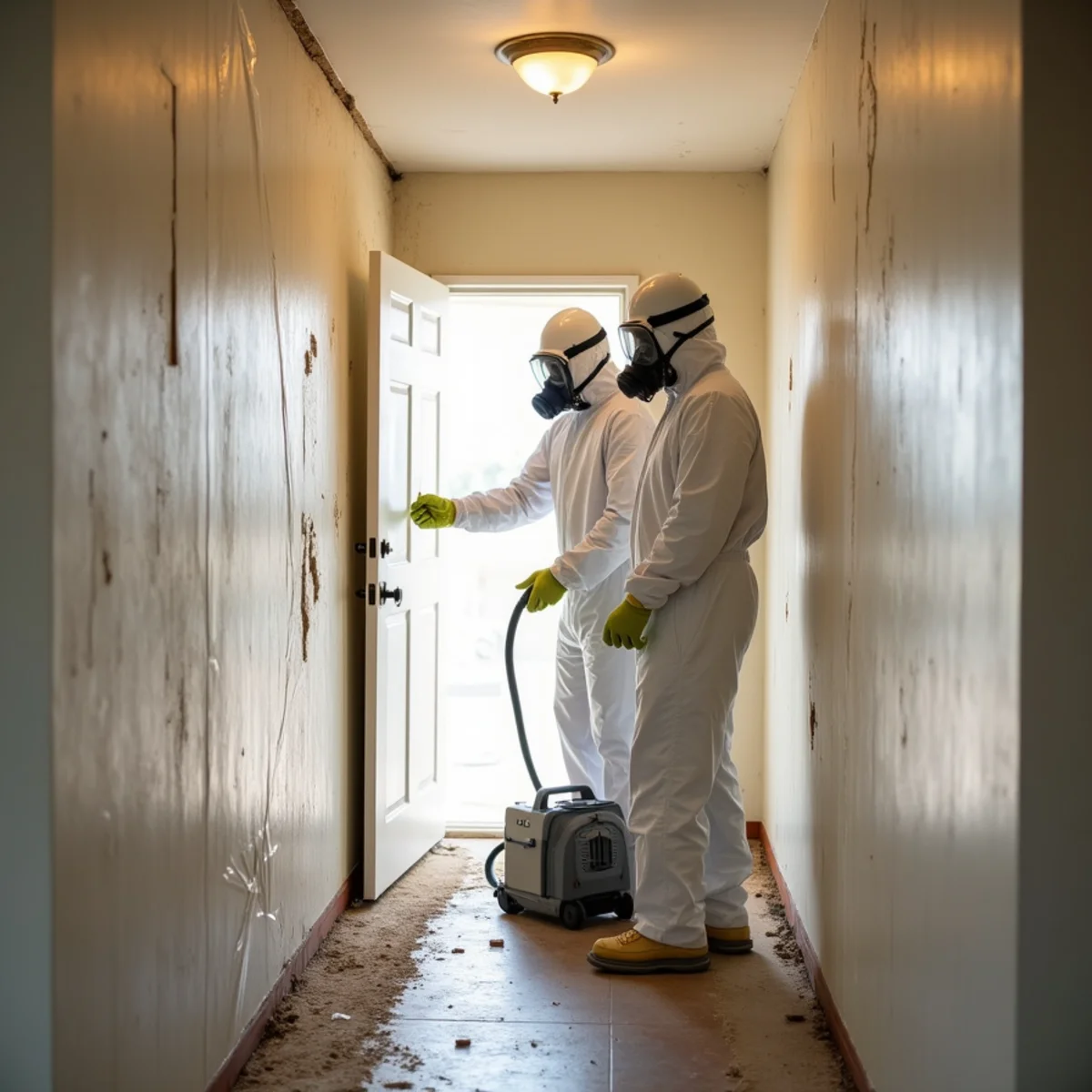
Before anything is removed, the crew seals the work area with plastic sheeting and a zipper door and runs a HEPA air scrubber. A sink base needs a small enclosure. A hallway slab leak in a 1960s ranch home may need containment across three rooms, and every extra wall of plastic adds labor.
2. How much material comes out
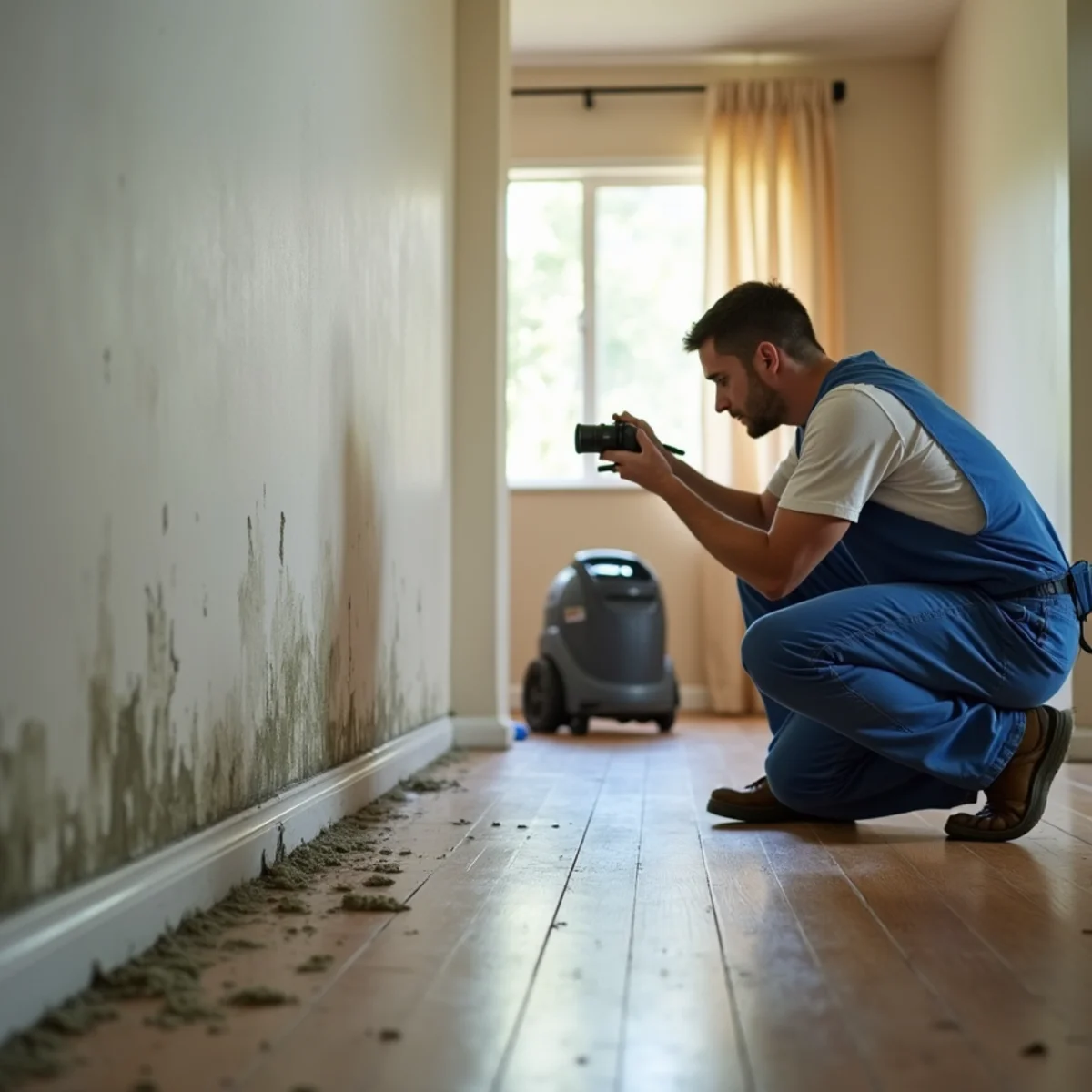
Mold in drywall, carpet pad and insulation is cut out, bagged and hauled away, not cleaned in place. A slab leak often wicks water two feet or more up the wall, so the cut line runs the full length of the damage. More linear feet of drywall, baseboard and flooring means more hours and more disposal.
3. An asbestos survey on pre-1980 homes
With a median build year of 1965, most Buena Park homes predate 1980, when drywall joint compound, popcorn ceilings and sheet flooring often contained asbestos. South Coast AQMD Rule 1403 requires an asbestos survey before renovation that disturbs those materials. The single-family exception covers less than 100 square feet of intact material. A survey adds cost and usually a day or more, and if asbestos turns up, a separately certified abatement contractor removes it before mold work continues.
4. Drying the structure
If materials are still wet, dehumidifiers and air movers run until readings reach normal levels. A wet slab can take days longer than drywall, and each extra day of equipment shows up on the bill.
5. HVAC involvement
When growth reaches a return vent, a duct run or the air handler, that part of the system has to be cleaned or replaced. It is a common surprise line item.
6. Rebuild
Removal leaves open walls. Putting back drywall, texture, paint, baseboards, flooring or cabinets is a separate scope. Work of $1,000 or more in labor and materials that alters the structure needs a contractor licensed by the CSLB, and California generally requires a written contract for home-improvement work over $500. Check any contractor on the CSLB license lookup before you sign.
7. Clearance testing
Clearance testing after removal is optional but often requested by landlords, buyers and insurers. If you want the checking kept separate from the work, you can hire an independent tester.
8. After-hours response
Night, weekend and holiday calls can carry a higher rate. Ask about it on the phone so there are no surprises.
Where typical Buena Park jobs tend to land
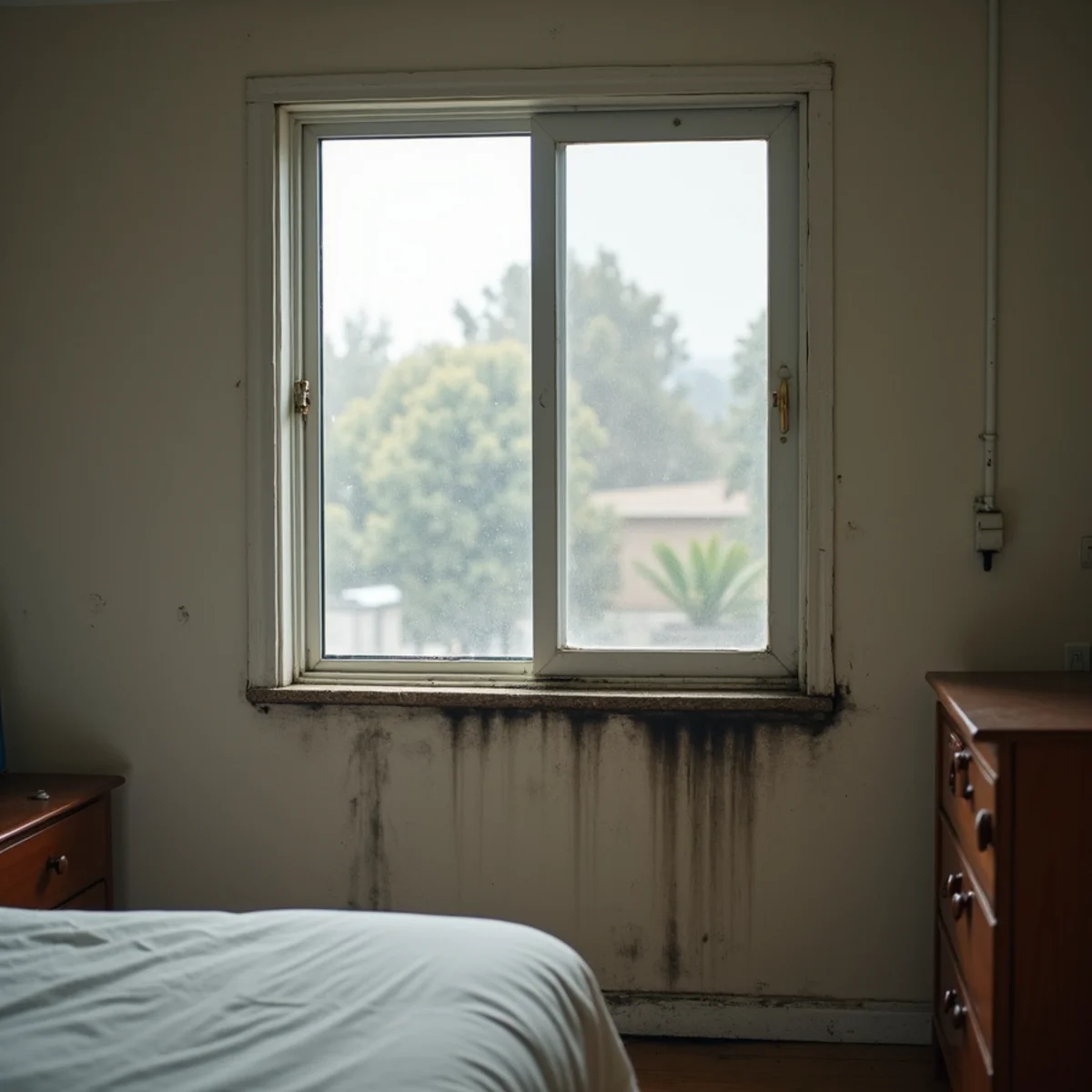
- Original bathroom, no exhaust fan: surface growth on the ceiling and around the tub is often a small contained job. If the shower pan has failed and soaked the wall behind the tile, it moves up a tier.
- Copper slab leak under a hallway or kitchen: usually a multi-room drywall job, plus drying and an asbestos survey on most pre-1980 houses.
- Roof leak after a winter storm: attic sheathing, insulation and a ceiling below. Price depends on how long it went unnoticed after storms like those of February 2024.
- Two-story apartment block: a leak from the upper unit can mean two units, occupied, with scheduling around tenants.
Neighboring cities follow the same patterns. Owner-occupied tract homes in Cypress, where we handle mold remediation for 1960s and 1970s houses, often find mold halfway through a remodel, which changes the scope after demolition has started.
Why two estimates differ: a line-by-line checklist
Price should follow the scope, not a frightening label like "black mold." When two written estimates are far apart, one usually leaves something out. Check each line:
| Line item | A complete estimate states | Watch for |
|---|---|---|
| Moisture source | Where the water came from and who fixes it | The leak repair buried in the mold price |
| Containment | How many work areas, negative air and HEPA air scrubbers | No containment on a job that cuts out drywall |
| Removal | Square feet of drywall, cut height, baseboard, insulation, flooring | A vague "treat affected area" line |
| Disposal | Bagging and haul-away | Left out, then added later |
| Drying | Equipment, days, and a moisture-reading schedule | No readings promised before walls close |
| Asbestos survey | Included, quoted separately, or not needed and why | Silence on a pre-1980 house |
| HVAC | What was inspected and what work is included | Duct cleaning added by default |
| Rebuild | Included or separate, and who holds the CSLB license | A low total that stops at open walls |
| Verification | Who checks the work, and under what protocol | Nothing listed after removal |
| Payment | Down payment and progress payments tied to finished work | A deposit larger than California allows (see the FAQ below) |
Do you need an inspection first?
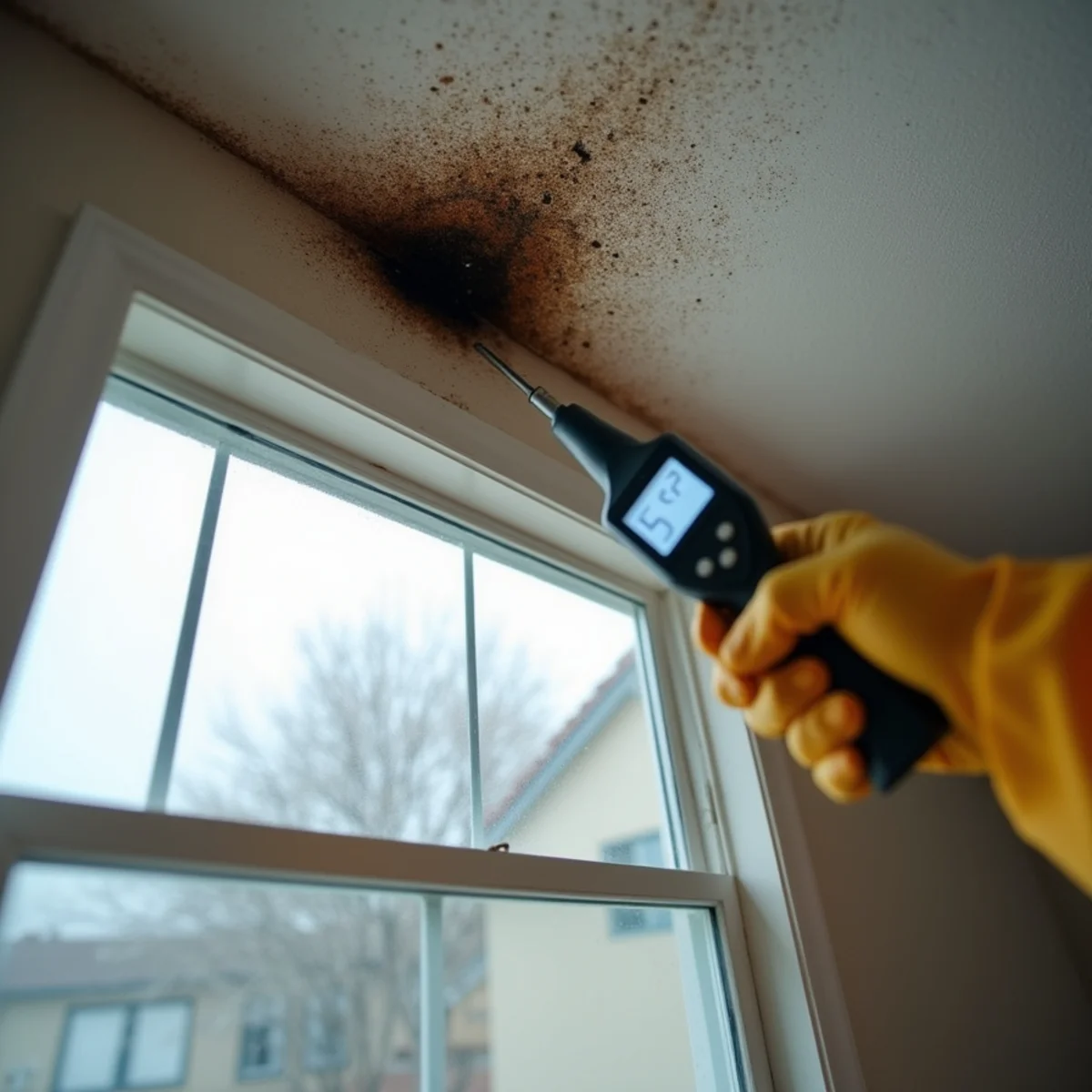
If you can see the mold and you know the leak, you may not. A contractor can scope mold removal in Buena Park directly from what is visible plus moisture readings. If you smell mold but cannot find it, or the leak source is unclear, a mold inspection with moisture mapping keeps you from paying for tear-out in the wrong place.
The California Department of Public Health does not recommend testing as a first step and sets no official safe mold level. Lab mold testing is most useful for clearance or when someone needs results on paper. The company that inspects may also quote the removal. If you want those two roles separated, ask for an independent assessor.
When testing is worth paying for
The EPA puts it plainly: in most cases, if mold growth is visible, sampling is unnecessary. Spend the testing budget where a result answers a real question, such as clearance before the walls close or growth you suspect but cannot reach. A lab report that names the species rarely changes the removal price, because the method follows the wet material, not the name of the mold.
How to keep the bill under control
- Stop the water and start drying fast. Mold that is caught early stays in a smaller tier.
- Get the scope in writing: square footage, what is removed, drying days, disposal, and whether rebuild and clearance testing are included.
- Compare scopes, not totals. A low number that leaves out containment or drying is not a lower price.
- Check whether the mold followed a sudden covered water event, since part of the cost may be claimable. See how homeowners insurance treats mold in California.
Get your scope and price in writing
Call (831) 303-1192 any hour to reach Buena Park Mold & Water Damage Pros. We connect you with the nearest available independent mold remediation crew, and every mold remediation crew we send is licensed where California requires it, and insured. You get the scope and price in writing before work starts, the moisture source identified, and photos and moisture readings for your file.
Related questions
Why do quotes for the same mold job vary so much?
Because contractors are often pricing different jobs. One quote may include containment, an asbestos survey, drying, disposal and clearance testing, while another covers only cleaning the visible area. Line up the written scopes side by side and compare square footage, materials removed and what happens after removal before you compare totals.
Does homeowners insurance pay for mold remediation?
Sometimes. Most California policies exclude mold from long-term seepage or neglect, but mold that follows a sudden, accidental covered water event may be covered, often up to a mold sublimit. Read your own policy, report the loss quickly, and keep photos, invoices and moisture readings. No contractor can promise that a claim will be paid.
Is clearance testing included in the remediation price?
Not always, so ask. Some contractors include a post-remediation visual check and moisture readings but bill lab clearance testing separately. Landlords, buyers and some insurers want lab results before walls are closed up. If you prefer an independent tester for clearance, arrange that before the job starts so the schedule allows for it.
How much can a mold contractor ask for up front in California?
For home improvement contracts over $500, California's Business and Professions Code generally caps the down payment at $1,000 or 10 percent of the contract price, whichever is less (contractors with certain approved bonds are the exception). The contract must be in writing and signed before work starts, and each progress payment should match work done or materials delivered. Check the contractor on the CSLB license lookup before paying anything. This is general information, not legal advice.