Tenant or Landlord: Who Is Responsible for Mold in a California Rental?
By Buena Park Mold & Water Damage Pros 8 min read
Quick answer
In California, the landlord is responsible for repairing the leaks and building defects that cause mold and for removing visible mold that makes a unit substandard. The tenant is responsible for reporting mold promptly and for everyday ventilation and cleaning. SB 655 added visible mold growth to Health and Safety Code 17920.3 as a substandard-housing condition, excluding minor mold on surfaces that normally get wet, like a shower. Civil Code 1941.1 sets the baseline habitability duties. Most disputes turn on notice, cause and documentation. This is general information, not legal advice.
What California law says about mold in rentals
Two parts of state law do most of the work. Civil Code 1941.1 lists what makes a rental habitable, including effective waterproofing and weather protection of the roof and walls and plumbing in good working order. When those fail, water gets in, and mold follows.
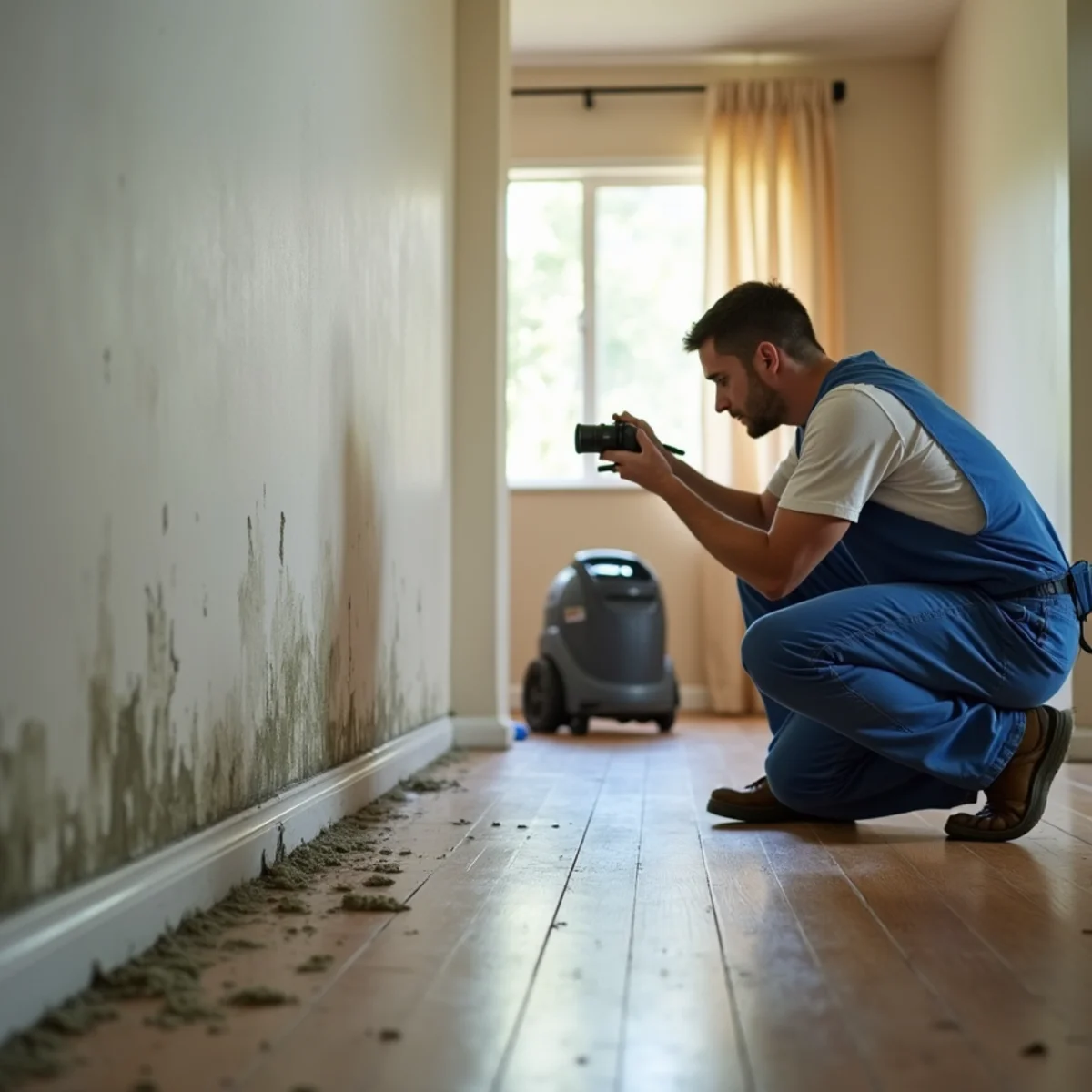
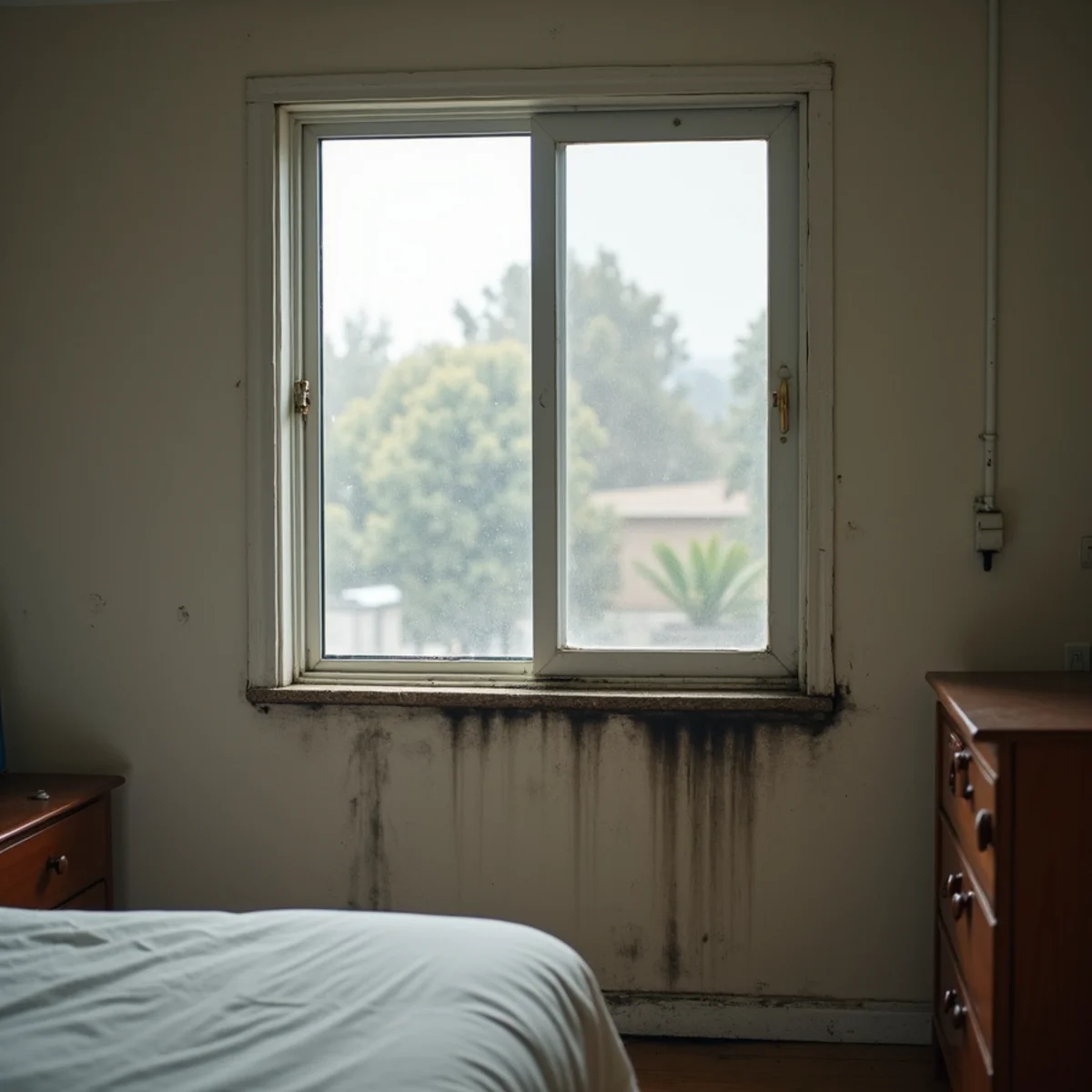
SB 655, passed in 2015, added visible mold growth to the list of substandard-housing conditions in Health and Safety Code 17920.3. The law draws a line: mold that a local health or code officer finds to be a substandard condition counts, but minor growth on surfaces that normally get wet, like a shower wall or window sill, does not. A few spots on bathroom caulk are routine upkeep. Mold spreading across a bedroom wall from a roof leak is a habitability problem.
What landlords are responsible for
- Repairing the water source: roof leaks, plumbing leaks, failed shower pans, broken window seals and drainage that sends water toward the building
- Removing mold that makes the unit substandard, using methods that keep spores out of the rest of the unit and neighboring units
- Acting within a reasonable time after being told about the problem
- Giving proper notice before entering to inspect or repair
- Keeping records of complaints, inspections, repairs and moisture readings
Most of the damage a landlord pays for comes from the building, not the tenant. In Buena Park, where the median building dates to about 1965, that means aging copper lines under slabs, original bathrooms and roofs that give out during storms like those of January 2023 and February 2024.
What tenants are responsible for
Civil Code 1941.2 lists the tenant's side of habitability: keep the unit reasonably clean and sanitary, use fixtures properly and do not damage the property. For mold, that translates into a few habits.
- Report leaks and mold promptly and in writing. A landlord cannot fix what nobody mentioned, and a dated message is proof of notice.
- Ventilate. Run the bathroom fan if there is one, crack a window during and after showers, and use the kitchen hood when cooking.
- Wipe condensation from windows and sills, especially on damp marine-layer mornings in May and June.
- Avoid adding moisture: do not dry laundry on racks indoors for days or pack furniture tight against exterior walls.
- Allow access for inspection and repair after proper notice.
If mold comes from a tenant's own neglect, such as a long-ignored overflow or heavy indoor drying with no ventilation, the cost can shift to the tenant. Cause matters, which is why documentation matters.
Entry notice under Civil Code 1954
A landlord who needs to inspect or repair must give reasonable written notice, and 24 hours is presumed reasonable (six days if the notice is mailed). Entry should be during normal business hours unless the tenant agrees otherwise. In a true emergency, such as water pouring through a ceiling, the landlord can enter without advance notice.
Mold work usually takes several visits: inspection, containment and removal, drying, and sometimes clearance testing. Landlords should give notice for each, and tenants should expect the schedule to span several days.
Documentation that protects both sides
- Dated photos of the mold and any leak, taken when first noticed and again over time
- The written notice from tenant to landlord, and the landlord's written reply
- Plumber or roofer reports stating the cause
- Moisture readings and a written scope from the remediation contractor
- Before-and-after photos, and clearance results if testing was done
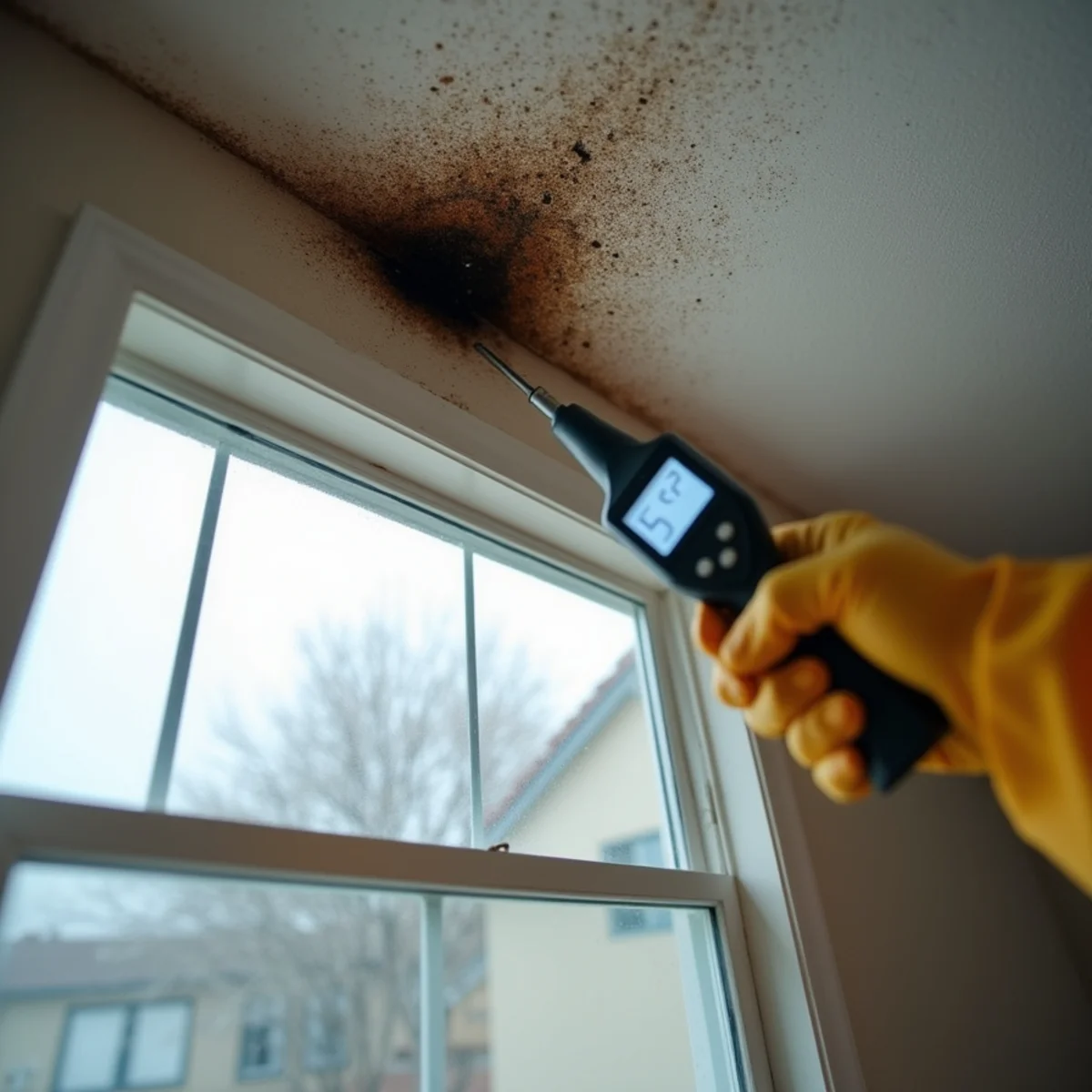
When the two sides disagree about cause, an independent mold inspection with moisture mapping can settle whether water is coming from the building or from how the unit is used. Lab mold testing is rarely the first step, but it can help when results are needed on paper.
What a written repair request should contain
- The date, the unit address and the rooms affected (a dated, saved text or email works)
- Where the growth or water is, such as the wall under the bedroom window, and roughly how large
- When you first noticed it and any leak you think is the cause
- One wide photo of the room and one close-up
- When you can give access, so entry can be scheduled with proper notice
- A request for a written reply saying what will be done and when
A few spots on shower grout or caulk are usually the routine upkeep the law excludes. Our guide to telling black mold from mildew helps you check before you write.
The timelines that matter
| Time marker | Source | What it means |
|---|---|---|
| 24 hours | Civil Code 1954 | Written notice presumed reasonable before a landlord enters to inspect or repair (six days if mailed); none needed in an emergency. |
| 30 days | Civil Code 1942 | A tenant who repairs and deducts after 30 days from notice is presumed to have waited a reasonable time. The remedy is capped at one month's rent, twice in 12 months. |
| 180 days | Civil Code 1942.5 | After a good-faith habitability complaint, a tenant current on rent is protected from eviction, rent increases and cut services. |
Repair-and-deduct carries real risk if its conditions are not met, so get advice first. This is not legal advice.
When code enforcement gets involved
If a tenant reports mold and repairs do not happen, the tenant can file a complaint with local code enforcement. Inside Buena Park, that is the City of Buena Park's code enforcement staff. Tenants in Stanton or Anaheim contact their own city, and unincorporated areas of Orange County are handled by the county. An inspector who finds a substandard condition can order repairs.
Filing a complaint in Buena Park
The city's Code Enforcement Division takes complaints online through its ViewPoint Cloud portal, by phone, in writing or in person at City Hall, 6650 Beach Boulevard. It asks for the full address and a detailed description, keeps the complainant's information confidential, and sends an officer to meet the owner or tenant at the property.
No waiting period applies before a tenant calls, but the dated repair request usually comes first, because it shows the landlord was told. Under Health and Safety Code 17920.3, a health officer or code enforcement officer decides whether visible mold makes a unit substandard.
California also protects tenants from retaliation for good-faith complaints about habitability. Landlords are usually better served by fixing the problem quickly and documenting it than by arguing about who reported what.
Why this comes up so often around Buena Park
About 45.6% of Buena Park households rent, many in two-story apartment blocks built in the 1960s and 1970s. The common calls are a leak from the unit above, a bathroom with no exhaust fan, and window condensation on the shaded side of the building.
Nearby cities look the same or more so. Stanton, where most mold calls come from apartments and rentals, is slightly more renter than owner, with dense blocks along Beach Blvd and Katella Ave. West and central Anaheim has apartment corridors along Lincoln Ave and Ball Rd with the same patterns.
Get the work done and on the record
Landlords, property managers and tenants can call (831) 303-1192 any hour. Buena Park Mold & Water Damage Pros connects you with the nearest available independent crew for apartment and rental mold remediation. Every mold remediation crew we send is licensed where California requires it, and insured. You get the scope and price in writing before work starts, the moisture source identified, and photos and moisture readings for your file.
Related questions
Can a tenant withhold rent because of mold?
California law allows rent withholding or repair-and-deduct in some habitability cases, but both have strict conditions, including proper notice and giving the landlord a reasonable time to repair. Getting it wrong can lead to an eviction case. A tenant thinking about either step should talk to an attorney or a local tenant resource first. This is not legal advice.
Does a landlord have to test for mold?
State law does not require testing, and the California Department of Public Health does not recommend testing as a first step or set an official safe level. The practical duty is to find the moisture source, fix it and remove visible growth properly. Testing becomes useful for clearance after remediation or when a dispute needs lab results on paper.
Who pays if mold comes from the unit upstairs?
Generally the landlord, because the leak comes from the building or another unit rather than the affected tenant. The landlord may seek the cost from the upstairs tenant if that tenant caused the leak through misuse, or from insurance if the water event was sudden and accidental. The affected tenant should report the damage in writing right away.
How long does a landlord have to fix mold in California?
No fixed number of days applies to mold. The landlord has to repair within a reasonable time after notice, and that depends on how serious the problem is. For repair-and-deduct, Civil Code 1942 presumes 30 days after notice is reasonable, though urgent conditions can justify less. A code enforcement inspector who finds a substandard condition can also order repairs. This is general information, not legal advice.