Does Homeowners Insurance Cover Mold in California?
By Buena Park Mold & Water Damage Pros 8 min read
Quick answer
Sometimes. Most California homeowners policies exclude mold that comes from long-term seepage, humidity or neglect, but many will pay for mold that follows a sudden and accidental covered water event, such as a burst supply line, often up to a mold sublimit commonly quoted at $5,000 to $10,000. Whether yours pays depends on your policy wording, how quickly you reported the loss and what you did to limit the damage. Read your policy and call your insurer, and be wary of anyone who promises coverage before the adjuster has.
Sudden and accidental vs long-term seepage
Insurers sort mold claims by the water that caused them. The question is not whether the mold is bad but whether the water event itself was covered.
Usually treated as sudden and accidental
- A washing machine hose or toilet supply line that bursts
- A water heater that fails and floods a closet
- A pipe that breaks inside a wall and is found quickly
Usually treated as seepage or neglect
- A slow drip under a sink that ran for months
- An original shower pan that leaked a little every day for years
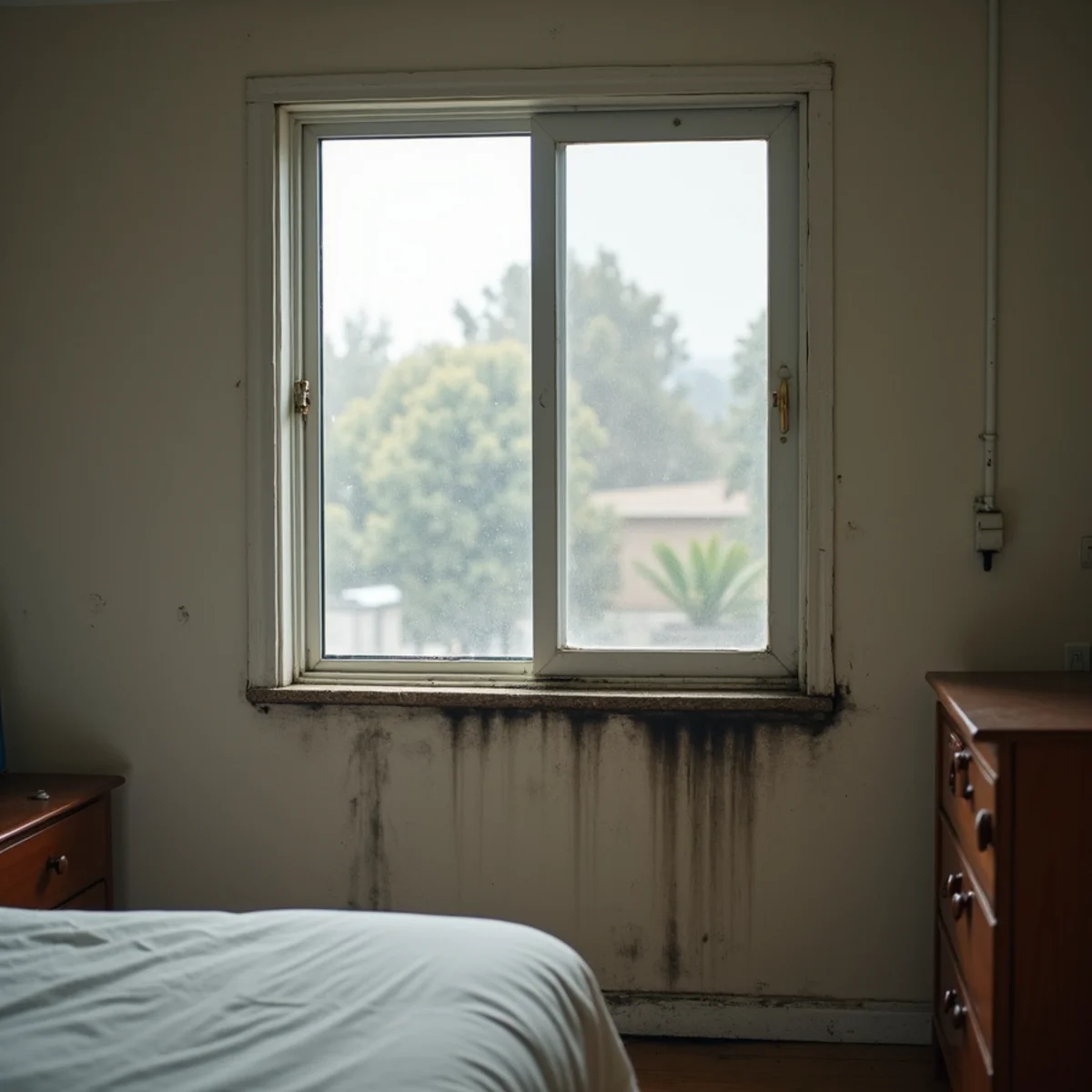
- Mold from condensation, humidity or a bathroom with no exhaust fan
- A roof leak that was noticed and left unrepaired
Slab leaks sit in the gray zone. Orange County's hard water, around 15 grains per gallon, slowly corrodes copper lines under Buena Park's 1960s slab homes, and a pinhole leak can run for weeks before it shows. Some policies pay to access and repair the pipe and for sudden resulting damage, then exclude damage from water that seeped over a long period. The wording of your policy decides it.
Storm and flood water are handled differently again. Rain that enters through storm damage to the roof may be covered, while surface flooding, such as water rising from the Coyote Creek channel, is excluded under standard homeowners policies and needs separate flood insurance.
Mold exclusions and sublimits
Look in your policy for a section on fungi, wet or dry rot, or bacteria. It usually does two things: excludes mold in general, then adds back limited coverage when mold results from a covered water loss. That added-back coverage is often capped by a sublimit, commonly quoted in the $5,000 to $10,000 range, and some insurers sell an endorsement to raise it.
Check what the sublimit includes. On some policies it covers testing, removal and the rebuild of mold-damaged material together, which a multi-room job can exhaust quickly. The water damage itself may fall under your main dwelling coverage, separate from the mold cap.
Your duty to limit the damage
Policies require you to take reasonable steps to protect the property after a loss. For water, that means stopping the source, drying wet materials and preventing further damage. The EPA target of drying within 24 to 48 hours is a useful benchmark. If a claim shows water sat for a week while mold spread, the insurer may argue that part of the damage came from delay.
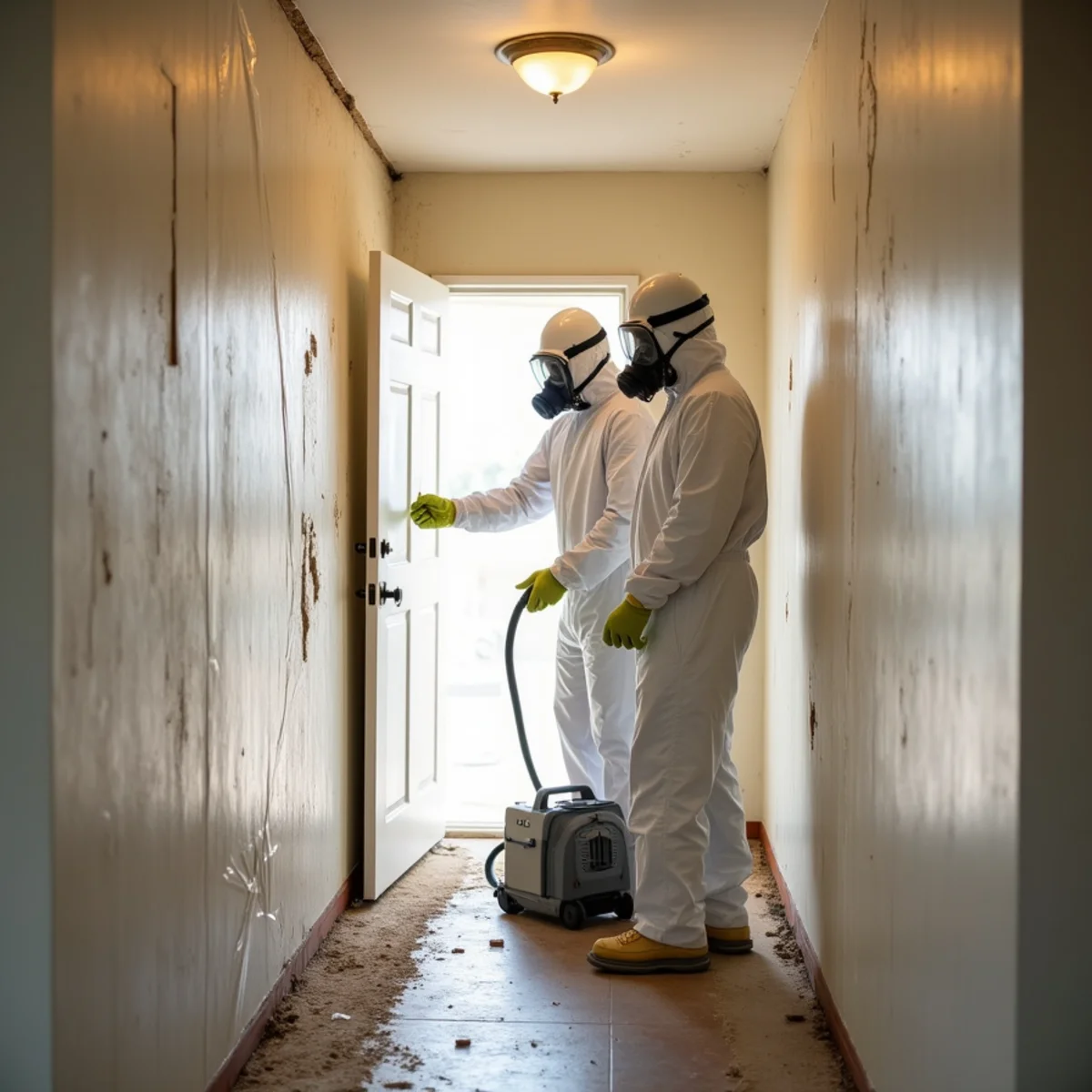
Mitigation is not the same as full repair. You can stop the water, start drying and have growth contained without waiting for the adjuster, but keep damaged material or photograph it thoroughly before it goes in a dumpster. Our first 48 hours checklist for mold after a leak walks through the order of steps. The California Department of Insurance's claims guide agrees: make temporary repairs to prevent further damage, save the receipts, and hold off on extensive permanent repairs until the adjuster has assessed the damage.
What to document before and during the work
- Date and time you found the water and when it was shut off
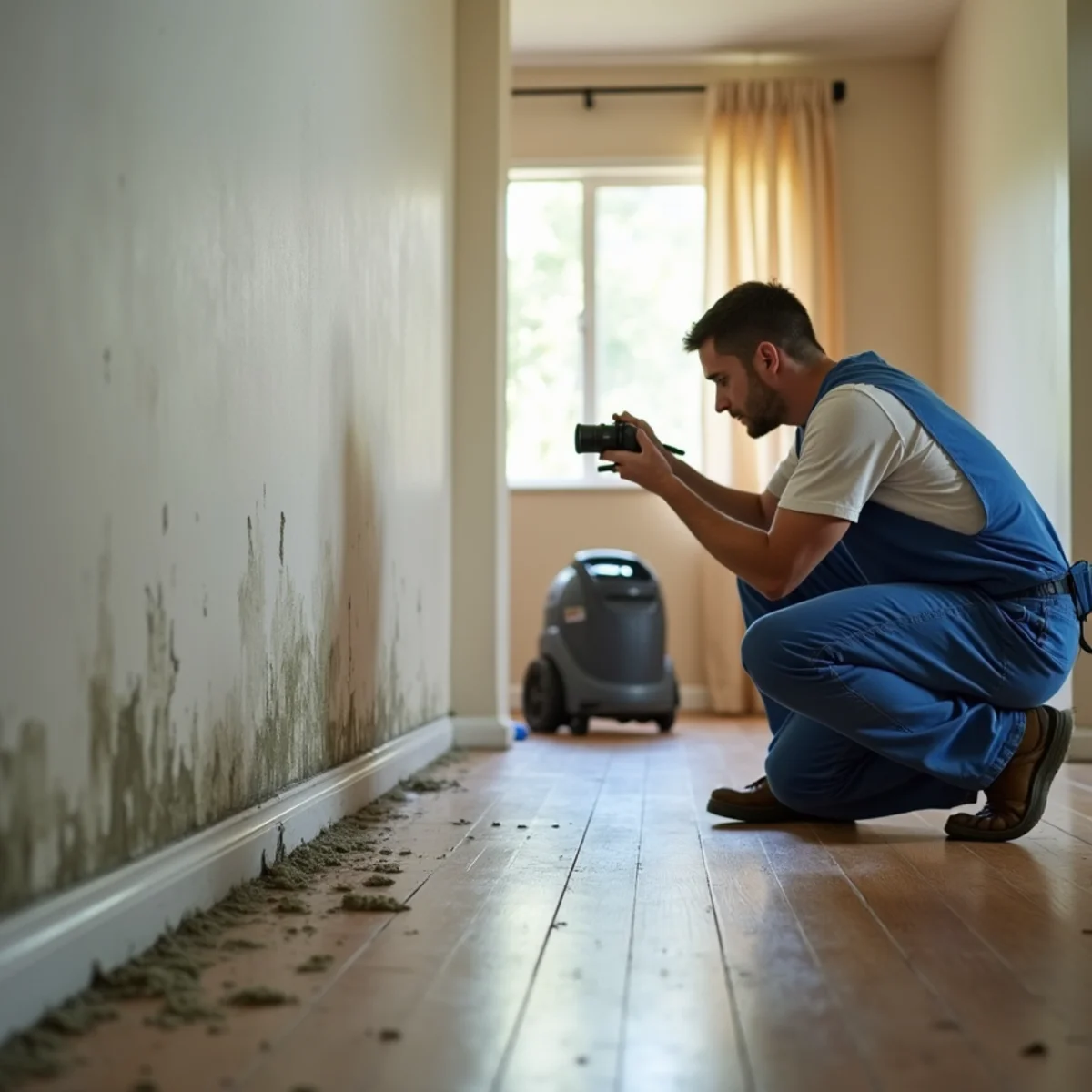
- Photos and video of the source, standing water, stains and visible growth, taken before cleanup
- The plumber's or roofer's invoice describing the cause, plus the failed part if possible
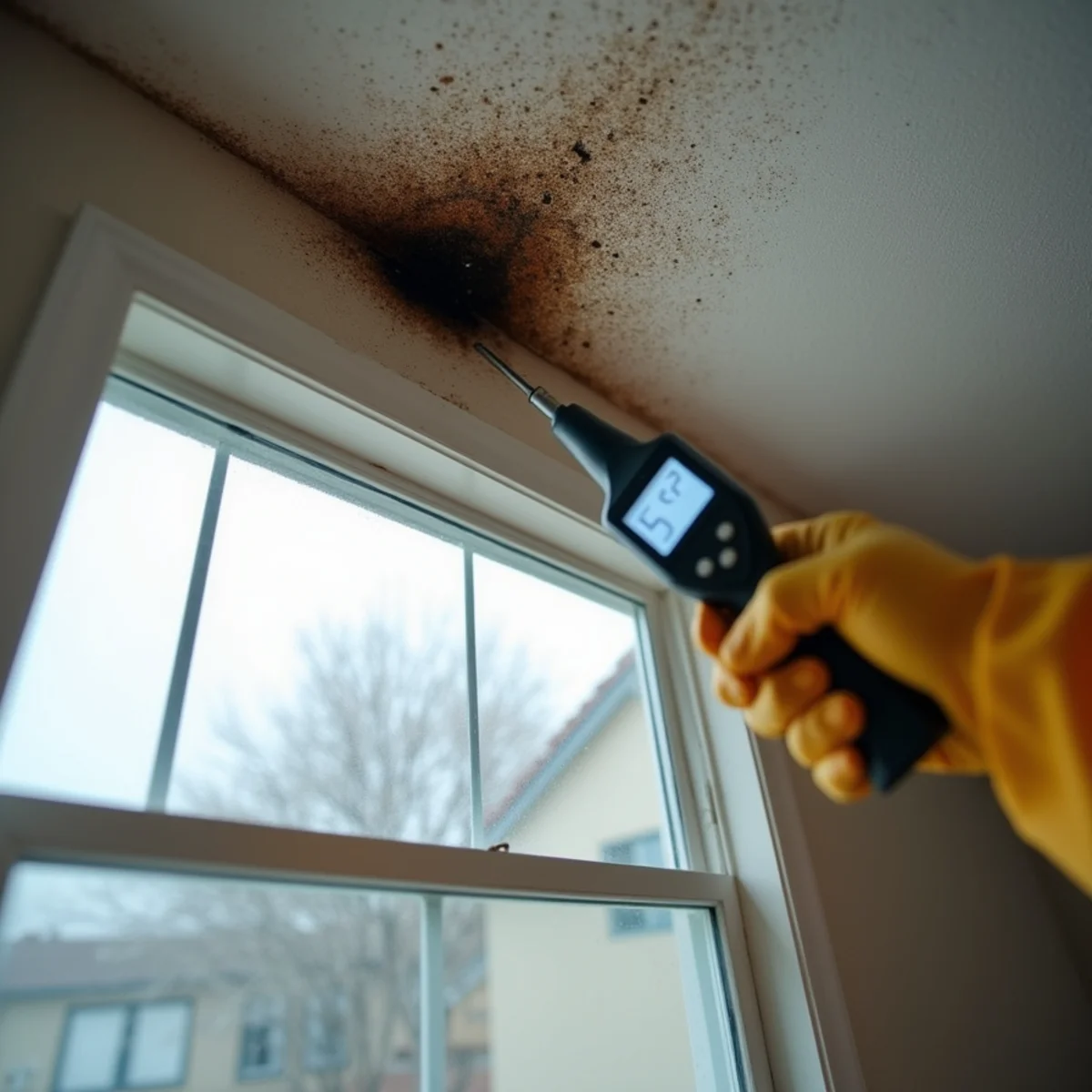
- Moisture readings and a map of the wet area
- A written scope and itemized estimate for mold remediation after water damage
- Receipts for anything you paid for to limit damage, such as fans or a dehumidifier
- Your claim number and notes from every call with the insurer
- Drying logs and disposal records from the mold crew, so the adjuster can see what was removed and why
- A running note of what the adjuster approved, declined or asked you to document
Questions to ask your insurer and adjuster
Ask early, and note each answer with the date and the name of the person you spoke with:
- Is the water event covered, and under which part of the policy?
- Is there a mold sublimit, and does it cover testing, removal and rebuild, or only some of them?
- What drying and containment can start now, before you inspect?
- Do you want to see damaged drywall or flooring before it is thrown out?
- Will the policy pay to open the wall or slab to reach the leak?
- If we have to move out during the work, are additional living expenses covered?
If you need the exact wording, California Insurance Code 2084 requires the insurer to send a complete copy of your policy, free, within 30 calendar days of your request after a covered loss.
What a mold contractor can and cannot do for your claim
What a contractor can do
- Identify and record the moisture source
- Provide dated photos and moisture readings before, during and after the work
- Write a clear scope and itemized price the adjuster can review
- Meet the adjuster on site to explain the damage
What a contractor cannot do
- Promise your claim will be approved or paid
- Negotiate the claim for you. In California, only you, a licensed public adjuster you hire or your attorney can do that
- Tell you what your policy covers better than the policy itself
A company that says insurance will pay for everything before an adjuster has seen the damage is guessing. A good crew documents the job well and lets the policy decide. For a sense of scope on a typical job, see our page on mold removal in Buena Park.
What this looks like in Buena Park and nearby cities
In Buena Park, most mold claims start with a copper slab leak in a 1960s ranch home or a roof leak after storms like those of January 2023 and February 2024. The storm claims are usually cleaner because the date is obvious. Slab leak claims get harder the longer the leak ran.
The same pattern holds across the county line. In La Mirada, where we handle mold remediation for 1950s tract homes, many houses still have original supply lines under the slab, and a clear timeline is the strongest thing a homeowner can bring to a claim.
If your claim is denied or stalls
Ask the insurer to put the denial in writing and cite the exact policy language it relies on. Compare that language with the cause shown in your plumber's report. If you still believe the claim was handled unfairly, the California Department of Insurance takes consumer complaints and publishes guides on homeowners claims, and you can talk to an attorney or a licensed public adjuster.
California's Fair Claims Settlement Practices Regulations set the clock: the insurer must acknowledge your claim within 15 calendar days and accept or deny it within 40 calendar days of receiving proof of claim. If it needs more time, it must say in writing what it still needs and update you every 30 days. A denial must be in writing, cite the policy provision it relies on, and tell you that you can have it reviewed by the Department of Insurance.
Get the job documented from the first visit
Call (831) 303-1192 any time to reach Buena Park Mold & Water Damage Pros. We connect you with the nearest available independent mold remediation crew, and every mold remediation crew we send is licensed where California requires it, and insured. You get the moisture source identified, photos and moisture readings for your file, and the scope and price in writing before work starts. If you want an independent view first, a mold inspection can document the damage before removal begins.
Related questions
Should I call my insurer or a mold company first?
Stop the water first, then report the loss to your insurer promptly, since late notice can hurt a claim. You do not have to wait for the adjuster to start drying or to contain spreading growth. Photograph everything before it is removed, and keep every invoice so the insurer can see what was done and why.
Is mold from a roof leak covered?
It depends on the cause. If a storm damaged the roof and rain came through the opening, the resulting damage and mold may be covered up to any mold sublimit. If the roof was worn out and leaking for a long time, most policies treat that as wear and tear or neglect. Get a roofer's written opinion on the cause.
Will filing a mold claim raise my premium?
It can. Insurers look at claim history when they renew or price a policy, and water and mold claims are watched closely. For a small job that falls under your deductible, filing may not make sense. Ask your agent how a claim of that size would be treated before you file, and weigh it against the full cost of the work.
How do I document mold damage for an insurance claim?
Before anything is cleaned, photograph each affected room wide, then the source, stains, growth, wet materials and any belongings you plan to discard. Add a dated timeline, the plumber's or roofer's note on the cause, moisture readings and receipts. Ask the mold crew for drying logs and disposal records, and file it all under your claim number.