Found Mold After a Leak? What to Do in the First 48 Hours
By Buena Park Mold & Water Damage Pros 8 min read
Quick answer
Stop the water first, then keep people and pets out of the wet area, leave the mold alone rather than scrubbing it dry, take photos, and start drying everything that is still wet. The EPA's target is to dry wet building materials within 24 to 48 hours, which is a goal, not a guarantee. A small patch on a hard surface is a homeowner job; mold across more than about 10 square feet, inside a wall, or after sewage or storm water needs a remediation crew. In Buena Park, call (831) 303-1192 at any hour.
Why the 48-hour clock matters
Mold spores are already in every house. What they usually lack is water. Give drywall paper, carpet pad or the back of a baseboard steady moisture and growth can start within a day or two, which is why the EPA sets its 24 to 48 hour drying target.
That target is harder to hit here than people expect. The median Buena Park home was built around 1965, and most of those ranch houses sit on a slab with copper lines under it. Orange County's hard water, about 15 grains per gallon, slowly corrodes that copper, so a pinhole slab leak can wick into baseboards for weeks before a stain shows.
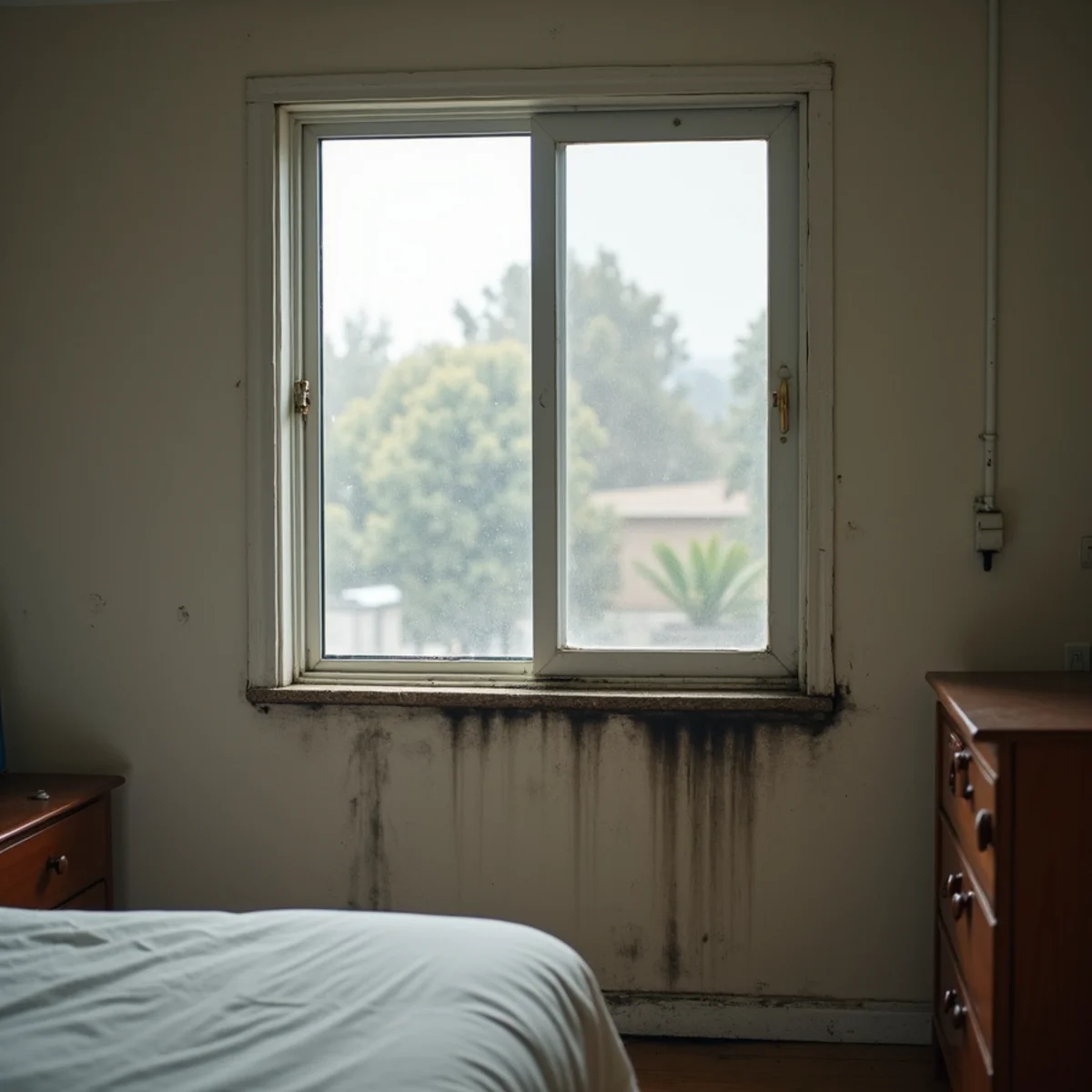
Storm leaks are the other common start. The atmospheric-river storms of January 2023 and February 2024 pushed water through old roofs and window frames, and damp marine-layer mornings in May and June slow drying long after the rain stops.
The first hour: stop the water and make the room safe
Everything else waits until the water stops. On many Buena Park tract homes the main shutoff sits near the front hose bib or in a box at the curb.
- Shut off the water at the main or the fixture valve, and call a plumber for a broken supply line or a suspected slab leak. A mold crew dries and cleans; it does not repair pipes.
- Cut power to wet areas at the breaker if water has reached outlets or cords.
- Move people out of the room. Mold can trigger allergy and asthma symptoms. People with asthma, infants, older adults and anyone immune-compromised should stay away and talk to their doctor.
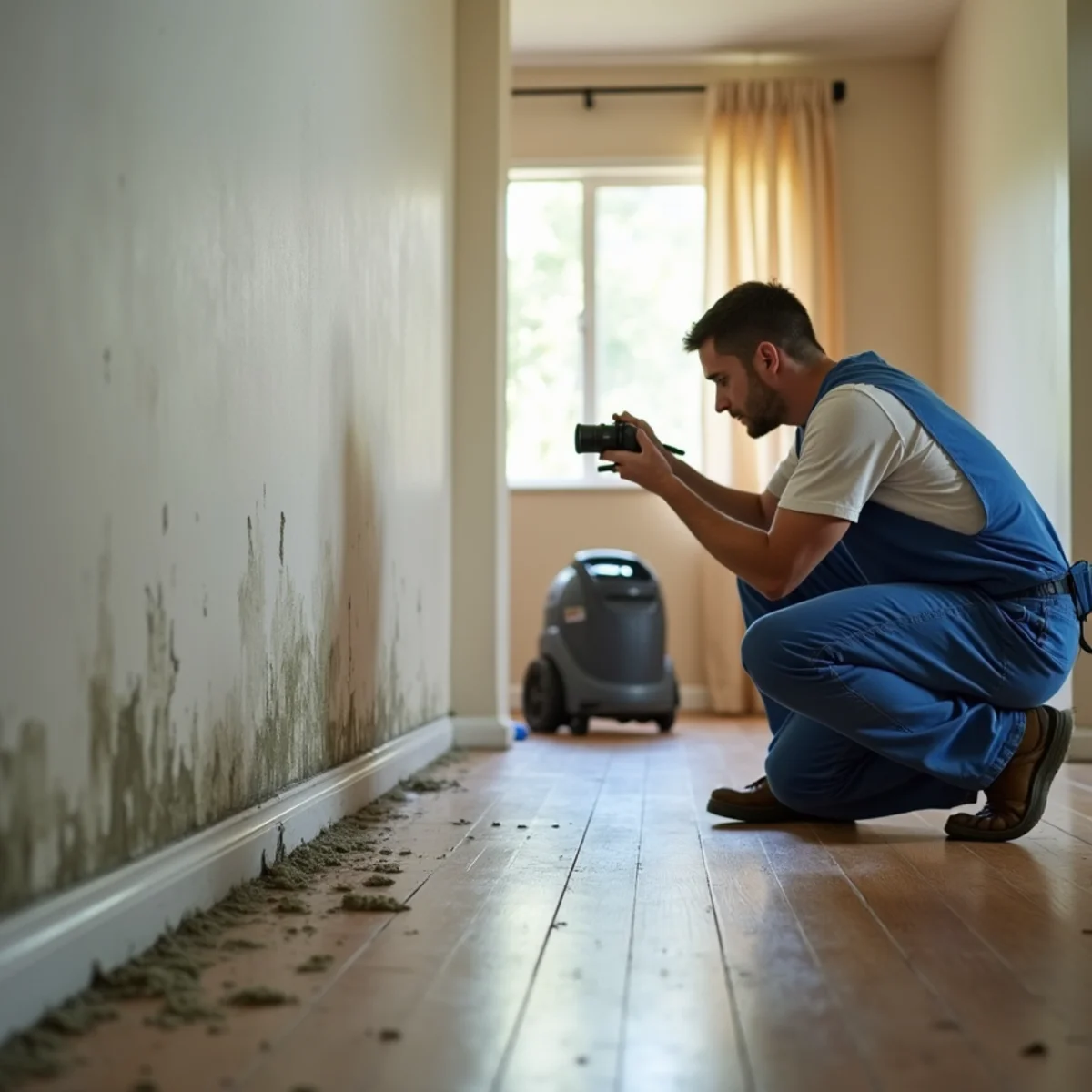
- Take photos and video of the source, water lines, stains and visible growth before you move anything.
- Leave the mold alone. Wiping or scrubbing dry growth throws spores into the air and spreads them to rooms that were fine.
The first day: document, dry and decide
Document for your records and your insurer
Write down when you found the leak and when you shut off the water. Keep the plumber's invoice and any failed part. Insurers look closely at whether damage was sudden or slow, so a clean timeline helps. Our guide to whether homeowners insurance covers mold in California explains how that distinction plays out.
Keep that timeline in one folder with the rest of a simple claim pack:
- Photos in order: a wide shot from each doorway, then close-ups of stains, growth, wet baseboards, the failed part and any nearby return vent. Add one shot of a dry wall for comparison.
- Contents list: photograph wet rugs, boxes and furniture before anything goes to the curb.
- Receipts: plumber, fans, dehumidifier rental. The California Department of Insurance's claims guide says insurers reimburse reasonable costs to protect your property as long as you save the receipts.
- Call log: the date, the name and what was said on each call with your insurer, including what the adjuster approved, declined or asked you to document.
Start drying what you can
- Pull up wet rugs and move furniture off wet carpet.
- Open windows only if the outside air is drier than inside. That is usually true on a clear winter afternoon and often false on a damp June morning.
- Run a dehumidifier with the door closed so it works on one room instead of the whole house.
- Empty any wet sink base or closet so air reaches the wall behind it.
Decide who handles it
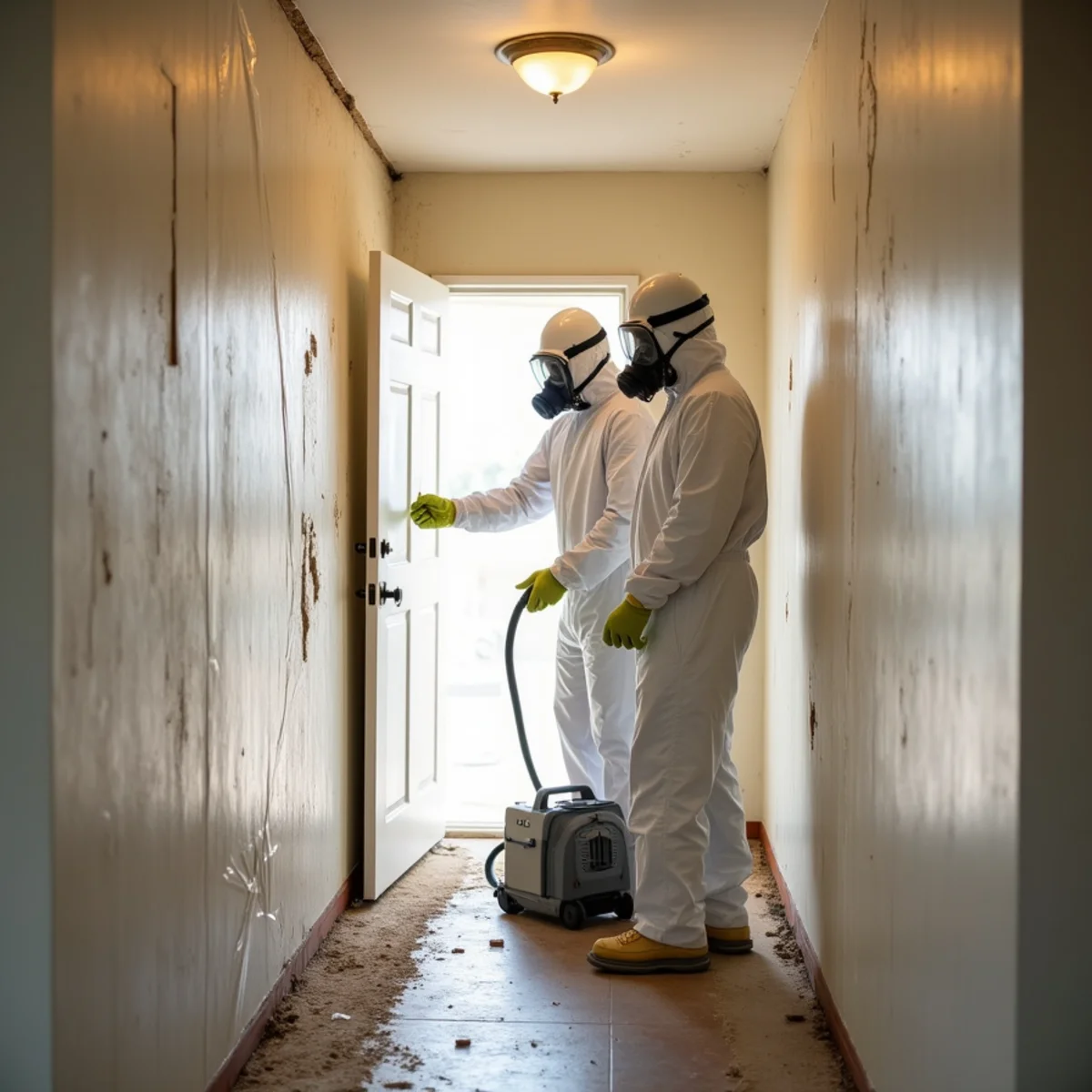
Mold on a hard surface smaller than about 10 square feet, with no water inside the wall, is often a homeowner cleanup. Anything larger, anything behind drywall or under flooring, and anything that follows dirty water calls for mold remediation after water damage, where one crew handles containment, removal and drying together.
Day two: find the water you cannot see
By the second day the standing water is gone, and the real question is what is still wet inside the building. On a slab, water spreads sideways under flooring and wicks up into drywall.
- Baseboards that feel soft, swollen or cooler than the same wall in the next room
- Bubbling paint or a faint tide line a few inches above the floor
- A musty smell that is stronger with the door closed or first thing in the morning
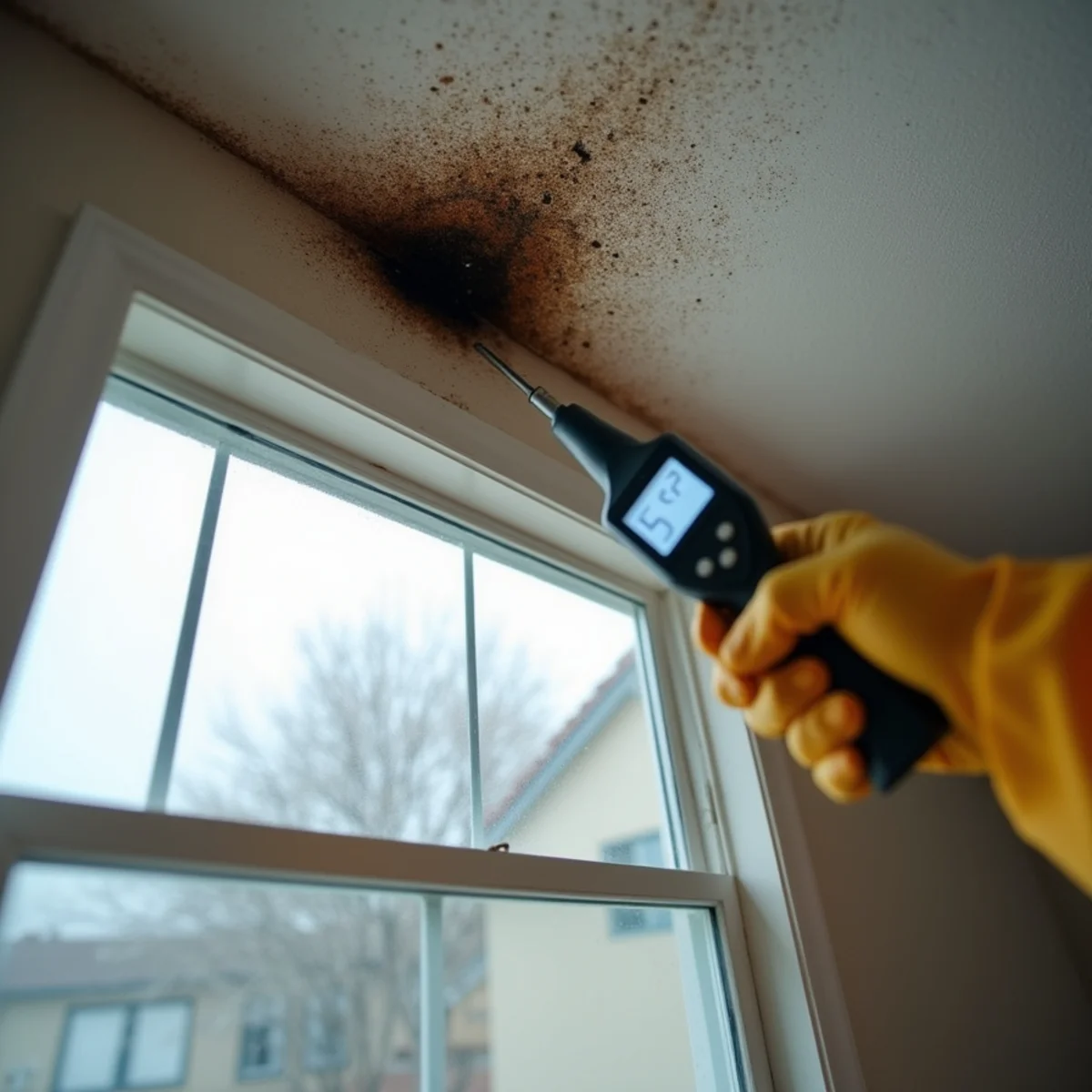
A moisture meter settles most of these questions. Without one, a professional mold inspection maps the wet area with meters and thermal imaging, so tear-out stays limited to damaged material.
What not to do after a leak
- Don't use bleach on drywall or wood. It whitens the surface and leaves growth inside the material.
- Don't run the central heat or air if a return vent or duct is near the wet area. The system can carry spores to every room.
- Don't point a fan at visible mold. Air movers help only after growth has been removed or sealed off.
- Don't cut out drywall or a popcorn ceiling in a pre-1980 home without thinking about asbestos first. South Coast AQMD Rule 1403 requires an asbestos survey before renovation that disturbs suspect material, with a narrow exception for under 100 square feet of intact material in a single-family home. A separately certified abatement contractor handles anything found.
- Don't paint over it or close up a wet wall. Primer does not stop growth that still has moisture behind it.
When emergency mold help makes sense
Not every leak is an emergency, and an honest crew will say when a job can wait until morning. These should not wait:
- Water from a sewage backup, a toilet overflow with waste, or runoff from the street or a flood channel
- Visible growth spreading across a wall, ceiling or subfloor within a day or two of the leak
- A leak that ran for days behind a wall or under the slab before anyone noticed it
- A household member with asthma or a weakened immune system living next to the affected room
Homes near the Coyote Creek channel, where much of Buena Park's flood risk sits, see the storm-water version of this problem. Next door, the 1960s and 1970s tracts on our La Palma mold remediation page see the slab-leak version. For the night the water shows up, there is 24/7 emergency mold removal.
After the first 48 hours: how long the rest of the job takes
Two days gets the water stopped and drying started. How long mold remediation takes after that depends less on the mold than on what each step waits for:
- Source repair. The plumber or roofer fixes the leak first.
- Inspection and written scope. Moisture readings mark how far the water went and what comes out.
- Asbestos survey in a pre-1980 home, before tear-out that disturbs suspect drywall, texture or flooring. It usually adds a day or more.
- Containment and removal under plastic sheeting with a HEPA air scrubber.
- Drying until readings return to normal. A wet slab is often the slowest part.
- Verification, then rebuild, with clearance testing if you want it.
Before work starts, ask which moisture readings, drying logs, photos and disposal records you will get before the walls are closed. The page on how mold removal works room by room covers the removal step in detail.
Get a written plan before anyone opens a wall
Call (831) 303-1192 and a person answers, day or night. Buena Park Mold & Water Damage Pros connects you with the nearest available independent mold remediation crew. Every mold remediation crew we send is licensed where California requires it, and insured.
Before work starts you get the scope and price in writing, the moisture source identified, and photos and moisture readings for your file.
Related questions
How fast can mold grow after a leak?
Growth can begin within 24 to 48 hours on wet drywall paper, carpet pad or wood, which is where the EPA drying target comes from. It is a range, not a stopwatch: temperature, material and the amount of water change the pace. Buena Park rarely has a cold spell to slow things down, so treat anything still wet on the second day as at risk.
Can I clean up mold after a leak myself?
For a small patch on a hard, non-porous surface, often yes. Wear gloves, an N95 respirator and eye protection, clean with detergent and water, then dry the area completely. Leave it to a crew if the growth covers more than about 10 square feet, sits inside a wall or under flooring, followed dirty water, or if anyone in the home has asthma or a weakened immune system.
Should I test for mold right after a leak?
Usually not as a first step. The California Department of Public Health does not recommend testing before the moisture and visible growth are dealt with, and it sets no official safe level to compare results against. Mold testing earns its place later, as clearance testing after remediation or when a landlord, buyer or doctor asks for lab results.
How long does mold remediation take after a leak?
Longer than the first 48 hours, and the leak repair sets the pace. The plumber or roofer finishes first, then the wet area is mapped, contained, cut out and dried until readings are back to normal. A pre-1980 home may also need an asbestos survey before tear-out. Ask for a timeline in the written scope, and expect drying on a slab to take the longest.