Mold Inspection vs Mold Testing: Which One Do You Need?
By Buena Park Mold & Water Damage Pros 8 min read
Quick answer
Most homeowners need a mold inspection first, not mold testing. An inspection is a visual and moisture investigation that finds where mold is growing and, more important, why. Testing means collecting air or surface samples for a lab to identify and count spores. The California Department of Public Health does not recommend testing as a first step and sets no official safe level, so testing earns its cost in specific cases: suspected hidden growth, escrow, tenant disputes, clearance after remediation, or when a medical provider asks for it.
What a mold inspection actually is
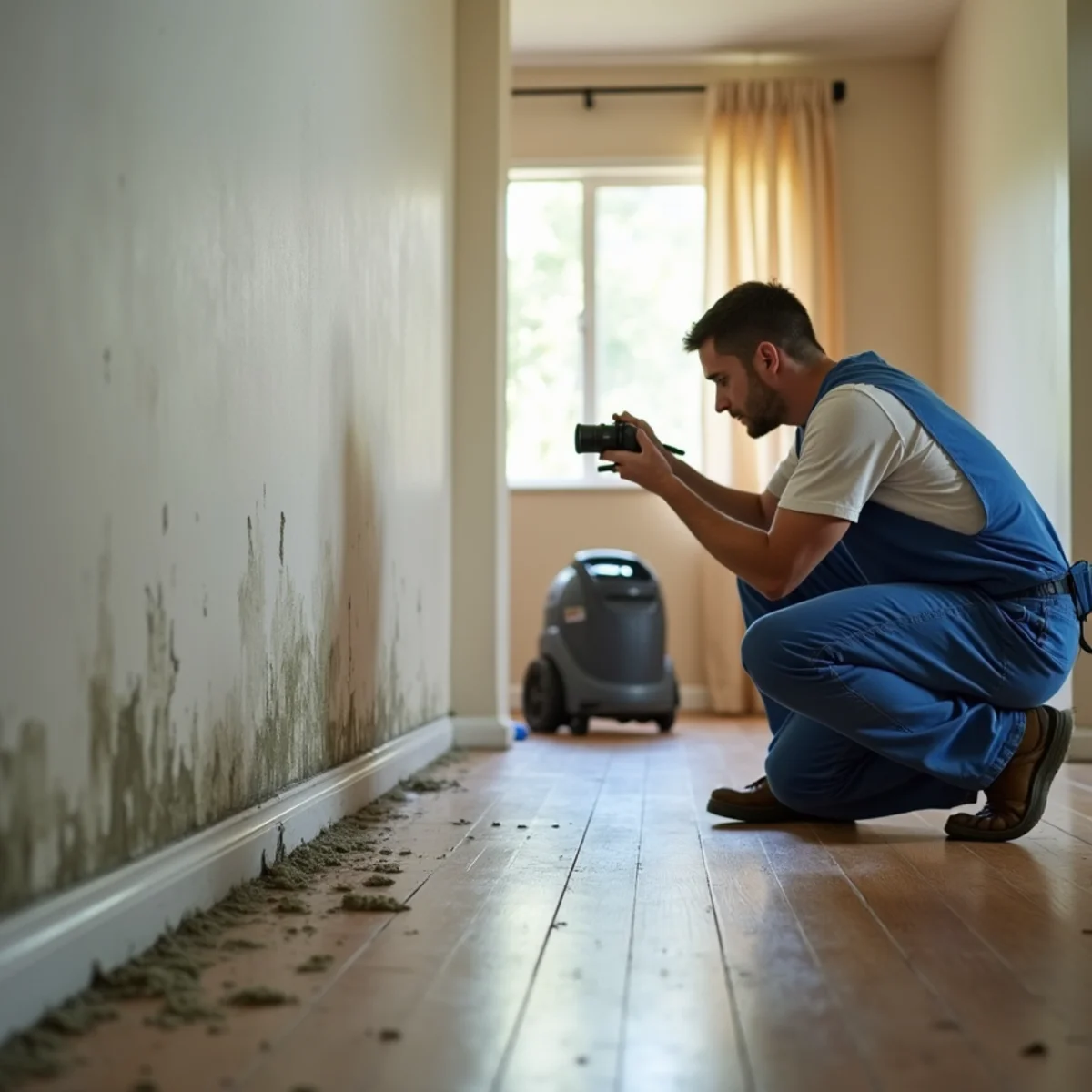
A mold inspection is a walk-through built around one question: where is moisture getting in? The inspector looks for growth, but the real work is tracing water. In a typical Buena Park ranch home built around 1965, that means checking where these houses usually fail.
- Original bathrooms: shower pans, tub surrounds, the wall behind the toilet and ceilings in rooms with no exhaust fan.
- Slab-edge walls and baseboards, where copper lines under the floor can leak for months unnoticed.
- Window sills and walls below aluminum sliders, which leak when the weep holes clog.
- The attic around roof penetrations, plus the HVAC closet, water heater and under-sink cabinets.
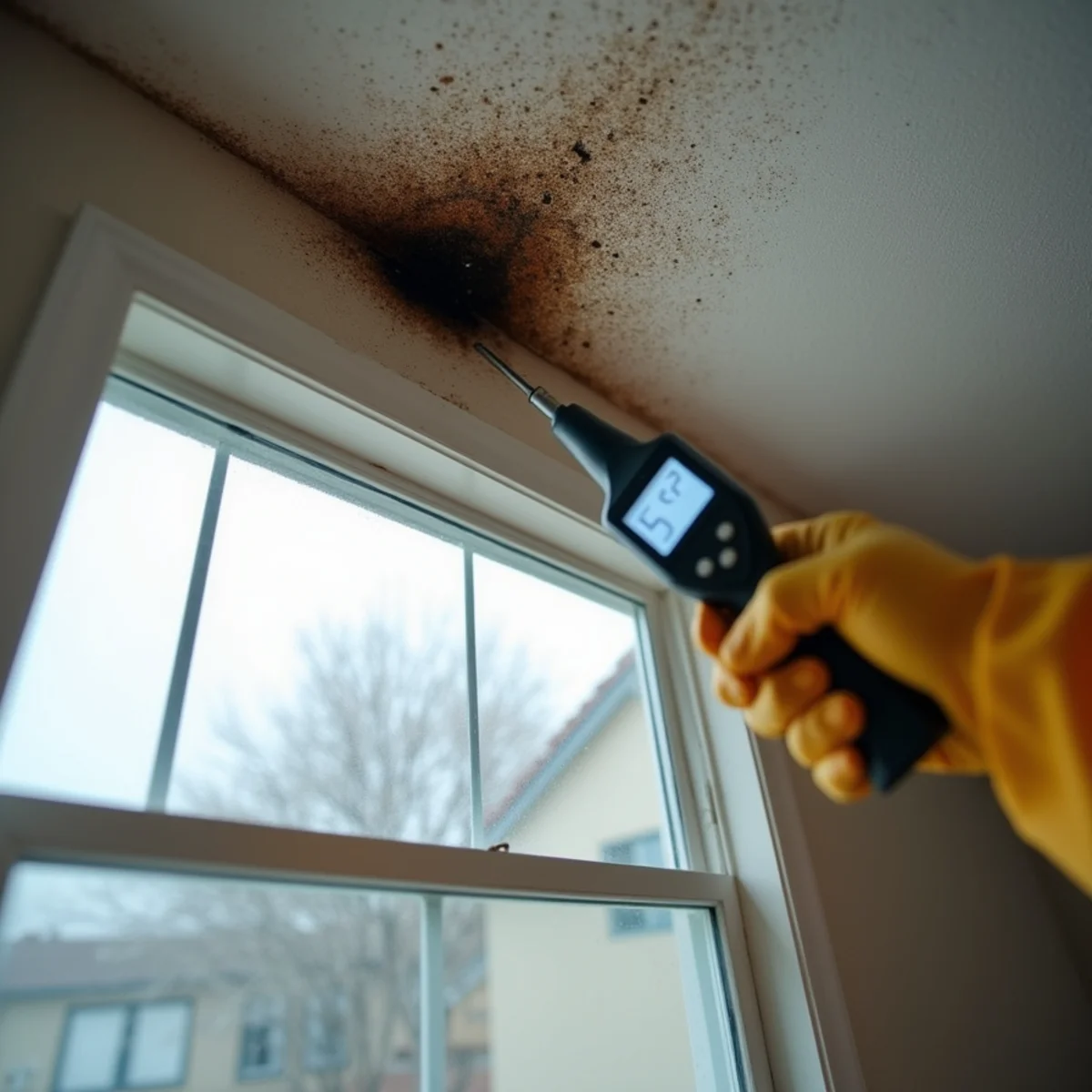
The tools are simple: a flashlight, moisture meters, a hygrometer and often a thermal camera to spot damp areas behind drywall. The result is a map of what is wet, what is growing and what caused it, with photos and readings. A removal scope is built from that map.
What mold testing adds
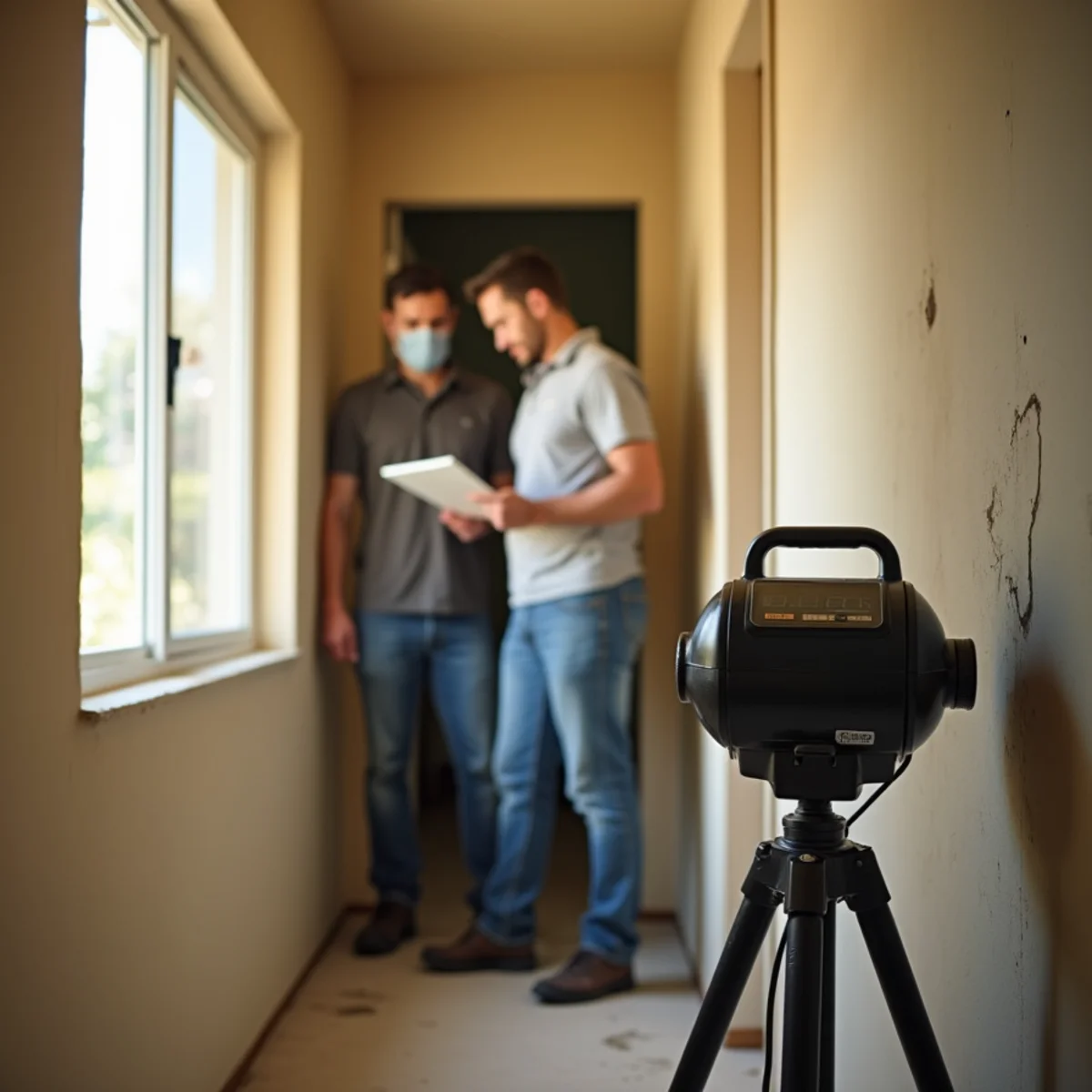
Mold testing collects samples and sends them to an outside laboratory. The common types are air samples, where a pump draws a measured volume of air through a spore-trap cassette, and surface samples taken with tape lifts or swabs. Air samples are normally taken both indoors and outdoors, because an indoor spore count means little without an outdoor baseline taken the same day.
The lab report lists spore types and counts. What it cannot do is tell you where the leak is, and there is no state or federal number that marks a home as safe. Air results also swing with conditions. A marine layer morning, a Santa Ana wind day, the week after a storm like those of January 2023 and February 2024, or someone vacuuming before the visit can all change the count. A single sample is a snapshot, not a verdict, which is why an outdoor baseline and weather notes belong in any report.
The state health department adds a caution of its own. Its mold FAQ says even the indoor-versus-outdoor comparison has not been scientifically proven to show indoor growth, because spore levels vary widely over time inside and out, and it notes that most experienced investigators rarely test. Read a report built only on spore counts with that in mind.
Inspection vs testing side by side
| Mold inspection | Mold testing | |
|---|---|---|
| Question it answers | Where is the moisture and mold, and what caused it? | What spores are in the air or on a surface, compared with outdoors? |
| Main tools | Flashlight, moisture meters, hygrometer, often a thermal camera | Air pump with spore-trap cassettes, tape lifts or swabs, an outside lab |
| What you get | Written findings, photos, moisture readings and the likely source | A lab report with spore types and counts |
| Timing | Findings are usually discussed at the visit | Depends on the lab, often a few business days |
| Best for | Visible mold, musty odors, after a leak, planning removal | Hidden growth, escrow, disputes, clearance, a doctor's request |
| Limits | Cannot name the species; may miss growth sealed inside a wall | A snapshot only; no official safe level; does not find the source |
In practice the two often happen on the same visit. A mold inspection comes first, and mold testing with air and surface sampling is added only when the inspection leaves a question a lab can answer.
When a visual and moisture inspection is enough
The California Department of Public Health's guidance is direct: if you can see or smell mold, you have a moisture problem, and the fix is to correct the moisture and remove the growth. Identifying the species does not change how it is cleaned up. An inspection alone usually covers it when:
- You can see the growth and the source is obvious, such as a leak under the kitchen sink that has already been fixed.
- The affected area is small and you plan to have it removed either way.
- The main goal is finding the leak, for example a musty closet on an exterior wall after a winter storm.
- You want a written scope for mold removal, which is based on the extent of wet and damaged material, not on spore counts.
When lab testing is worth it
Hidden growth is suspected
A persistent musty smell with no visible mold is the classic case. Comparing indoor and outdoor air samples, or sampling a wall cavity through a small hole, can show hidden growth before anyone opens walls.
Escrow and home purchases
Buyers of older homes in Cypress and across north Orange County often have a short inspection window. If the general home inspector flags staining or high moisture, sampling documents the condition while you can still negotiate or ask for repairs.
Tenant and landlord disputes
When a tenant and landlord disagree, third-party lab results paired with moisture readings carry more weight than either side's photos. Our apartment and rental mold remediation page covers how rental jobs are handled. This is general information, not legal advice.
Clearance after remediation
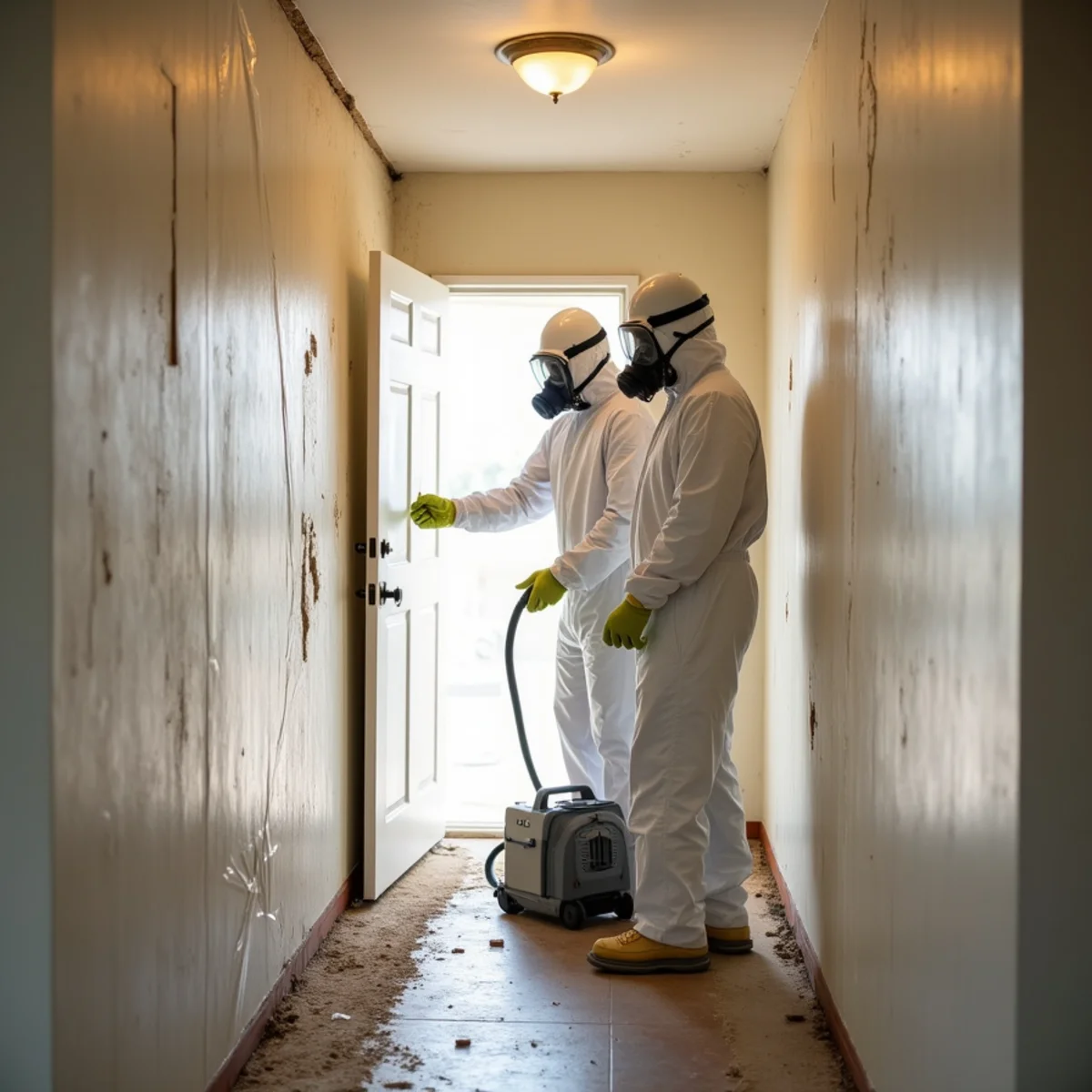
Post-remediation verification checks the work before the containment comes down and walls are closed. It combines a visual check, moisture readings and usually air samples.
Lab numbers are only one piece of that check. CDPH says no mold test or measurement can show on its own that remediation worked. Its better signs are a fixed moisture source, damaged materials cleaned or removed, and what remains dry, with no visible mold and no musty odor. Weigh air results next to the readings and photos, not instead of them.
A medical provider asked for it
Sometimes a doctor treating allergy or asthma symptoms asks for information about the home. Testing can supply data for that conversation. It does not diagnose anything, and health questions belong with your doctor.
Should the same company inspect and remove the mold?
Plainly: the company that inspects may also quote the removal. For a small, obvious job, many homeowners are comfortable with that. If you would rather keep the two separate, you can ask for an independent assessor to write the scope, or for independent clearance testing after the work. Just say so when you call.
California has no state license for mold inspection or testing, so it pays to ask a few questions before anyone takes samples.
How an independent assessor job usually runs
- The assessor inspects, takes moisture readings and samples only if a question calls for it.
- The assessor writes the protocol: rooms and materials in scope, containment boundaries, and what the area must look and measure like at the end.
- The remediation contractor prices and works to that written protocol rather than to its own scope.
- The assessor comes back before walls close and checks the work against the same written criteria.
- Drywall, flooring and paint go back only after that sign-off.
That adds a second company and at least one more visit, so it fits best on larger jobs, purchases and rental disputes.
Getting the right visit booked
Tell us what you are seeing and why you need an answer: a smell, a stain, a purchase, a dispute or finished remediation. That decides whether sampling should be added. Call (831) 303-1192 any time; Buena Park Mold & Water Damage Pros answers 24/7 and connects you with the nearest available independent crew.
- Write down when the smell or stain started, past leaks and repairs, and anything a home inspector flagged.
- Photograph the area, then leave it alone. Cleaning, bleaching or painting first hides the pattern the inspector needs to read.
- If the air handler or return vents may be spreading growth, keep the system off and say so when you call.
Every mold remediation crew we send is licensed where California requires it, and insured. You get the moisture source identified, photos and readings for your file, and a written scope and price before any work starts.
Related questions
Can I use a home mold test kit instead?
Settle-plate kits from hardware stores almost always grow something, because spores are present in every home. With no outdoor comparison, no measured air volume and no moisture information, a positive result tells you very little. If you want data, a professional air sample with an outdoor baseline is far more useful, and a moisture inspection is usually the better first step anyway.
Is mold testing required before remediation in California?
No. California does not require testing before mold is removed, and the state health department does not recommend testing as a first step. The scope of removal is set by how much material is wet or growing mold, which an inspection with moisture readings shows. Testing may still be useful for escrow, a dispute, suspected hidden growth or clearance afterward. This is general information, not legal advice.
What does clearance testing check after mold removal?
Clearance, or post-remediation verification, confirms the work area is ready to be closed up. It usually includes a visual check for remaining growth and dust, moisture readings showing materials are dry, and air samples compared with an outdoor or unaffected-room sample. If results are not acceptable, the area is cleaned again before walls and floors are rebuilt. Many owners ask for an independent party to do this step.
Does a home inspection during escrow include mold testing?
Usually not. California defines a home inspection as a noninvasive physical examination of a home's systems and components (Business and Professions Code 7195), so a general inspector often notes stains, damp spots or a musty smell and recommends a specialist instead of opening walls or taking lab samples. If the report flags possible mold, a mold inspection with moisture readings comes next, with sampling only if a question remains. Watch your contingency deadline. This is general information, not legal advice.