Rainy-Season Mold Prevention Checklist for Buena Park Homes
By Buena Park Mold & Water Damage Pros 8 min read
Quick answer
The best way to prevent mold in a Buena Park home during California's rainy season is to keep water out and dry anything that gets wet within 24 to 48 hours. Before the first storm, clear gutters and downspouts and check grading, roof flashing, window weep holes and sprinkler spray. During storms, run bathroom fans and keep indoor humidity between 30 and 50 percent. After each storm, check ceilings, window sills, closets and the attic for new stains or musty smells.
Why a dry city still gets rainy-season mold
Buena Park is dry most of the year, and that lulls people. Rain arrives in a few concentrated bursts, with February averaging about 3.1 inches, and the atmospheric-river storms of January 2023 and February 2024 showed how much water can land in a couple of days. A home that has been fine for years can take in water through one tired flashing joint or one clogged window track.
The housing stock matters too. The city's median home was built in 1965, so many roofs, aluminum windows, stucco walls and drainage paths are well past their original design life. Between storms, Santa Ana winds dry surfaces quickly, which can make a fresh leak stain look old and hide a problem until spring. The late-spring marine layer then keeps mornings damp just as that hidden moisture is looking for a place to grow.
Flood exposure is not spread evenly either. First Street rates 17.7 percent of Buena Park properties, about 3,181, at flood risk over 30 years, concentrated along the Coyote Creek channel. If you live near it, drainage and grading deserve extra attention. The city's 2025 climate vulnerability assessment also marks an area of special concern where Beach Boulevard meets Fullerton Creek. For planning, it counts any 2-day storm of more than 0.97 inches as an extreme event.
Before the season: October and November
Gutters, downspouts and grading
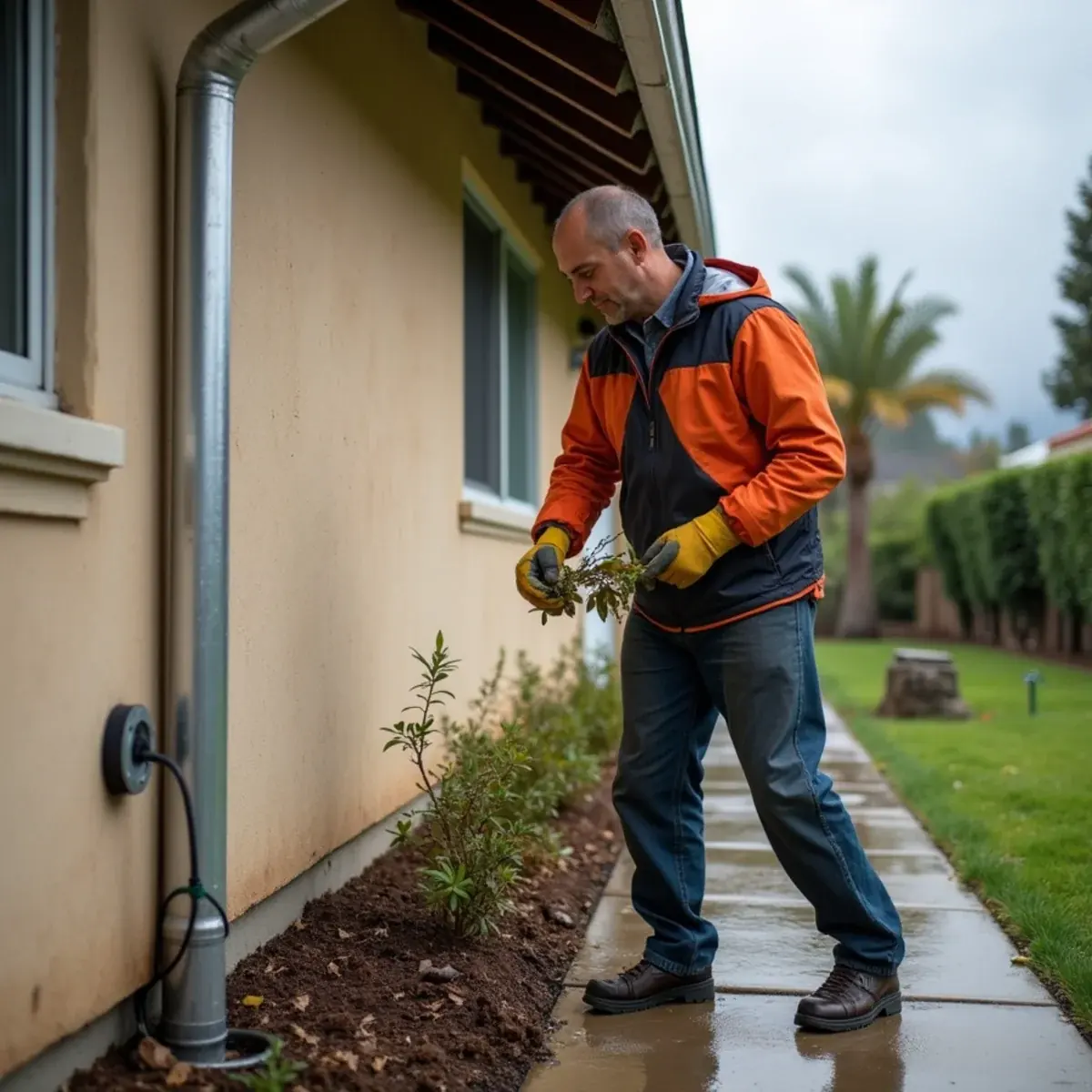
- Clear leaves and debris from gutters, and run a hose to confirm water flows to the downspouts instead of over the edge.
- Make sure every downspout discharges at least a few feet from the foundation, with an extension or splash block.
- Check that soil and planters slope away from the house. Water pooling against a slab-edge wall ends up in baseboards and flooring.
- Keep soil and mulch below the weep screed, the metal strip at the bottom of stucco walls, so the wall can drain.
Roof and flashing
- From the ground or with binoculars, look for missing or cracked shingles and tiles and lifted flashing around chimneys, vents and skylights.
- Check the attic with a flashlight for old water stains, so you know what is new after the first storm.
- Have a roofer fix anything suspect before the first storm.
Windows, stucco and sprinklers
- Clean the weep holes on aluminum sliders, the small slots at the bottom of the exterior frame, with a pipe cleaner or thin wire. Test with a gentle stream from a hose and watch that water drains out, not in.
- Look for cracked caulk around window frames and gaps where stucco meets trim.
- Adjust sprinkler heads that spray against stucco. Daily overspray keeps the bottom of walls wet all year and makes winter leaks worse.
Fans, vents and drain lines
- Test each bathroom fan by holding a square of tissue to the grille. If it does not hold the tissue, the fan is weak or the duct is blocked. Many original 1960s bathrooms have no fan at all.
- Check that the dryer vent is clean and ends outside with a flap that closes, not in the attic or garage.
- Flush the air conditioner's condensate line or have an HVAC technician clear it, and look for water in the drain pan.
- If your furnace is a high-efficiency condensing model, it makes condensate water while it heats, so its drain line works all winter. Check the line and the pan under an attic furnace before the first cold night.
- Buy an inexpensive hygrometer so you can see indoor humidity instead of guessing.
Sandbags and the curb drain
If water has reached your door or garage before, get sandbags in the fall rather than during a storm. The City of Buena Park hands out empty sandbags to residents at Fire Station 61, 7440 La Palma Avenue, with a limit of 10 per resident. Keep the gutter and curb in front of the house clear of leaves so street water can reach the storm drain.
During storms
- Keep indoor humidity between 30 and 50 percent. Run bathroom fans during showers and for about 20 minutes after, and use the kitchen hood when cooking.
- Switch the irrigation controller to rain mode or off.
- During heavy rain, walk the house with a flashlight: ceilings near bathrooms and chimneys, window tracks, skylights, and the garage wall along the slab.
- Move furniture and stored boxes a few inches away from exterior walls so air can reach them.
- If water gets in, move belongings, towel up standing water and get air moving with fans. Call a roofer or plumber about the source.
- If you live near Coyote Creek or another low-lying spot, sign up for AlertOC, Orange County's emergency notification system, and watch local flood advisories.
After each storm: a 20-minute walk-through
- Ceilings, especially corners of exterior walls and rooms under chimneys, vents and skylights.
- Window sills and the drywall below them, plus the tracks of aluminum sliders.
- Closets on exterior walls, where air does not move and a musty smell shows up first.
- Baseboards along exterior walls and slab edges, looking for swelling, bubbling paint or a tide line.
- Under sinks and around the water heater, since cold, damp weather can hide slow plumbing leaks.
- The attic, near every roof penetration and above bathrooms.
- Outside: gutters that overflowed, and any water still standing against the foundation a day later.
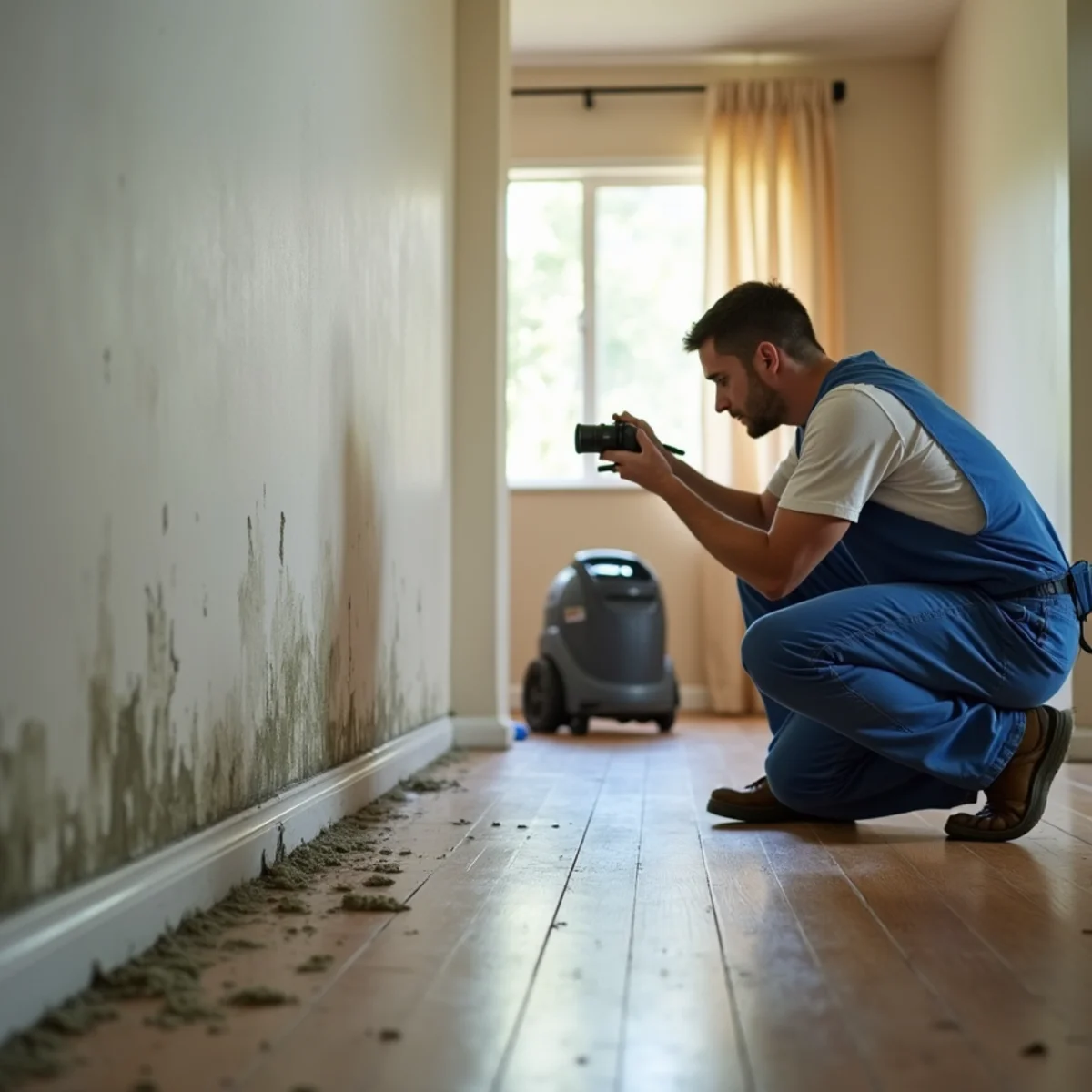
Take dated photos of anything you find. A stain that grows between storms points to an active leak.
If you find water, document it before you dry it
- Photograph the wet area wide and close, before you move or dry anything.
- Write down when the storm hit, when you found the water and what you did about it.
- Do not scrub or bleach wet drywall, carpet pad or insulation. That can spread growth and erase the water path.
- Keep receipts for the roofer or plumber, fans, discarded items and seasonal upkeep like gutter cleaning.
Insurers treat mold from a sudden, covered leak differently from long-term seepage or neglect, so a record showing the leak was sudden and handled quickly helps. See does homeowners insurance cover mold in California, and check your own policy.
Renters and landlords in Stanton and Buena Park
About 45.6 percent of Buena Park homes are rented, and neighboring Stanton has a large share of apartments and mobile homes. Renters should report roof, window or plumbing leaks to the landlord in writing as soon as they see them, with photos. Landlords do better fixing a window leak in December than tearing out a moldy wall in April.
Since SB 655 took effect in 2016, visible mold growth can be a substandard-housing condition under California Health and Safety Code 17920.3, apart from minor growth on surfaces that normally get wet, like a shower. For rental jobs, see apartment and rental mold remediation. This is general information, not legal advice.
When prevention was not enough
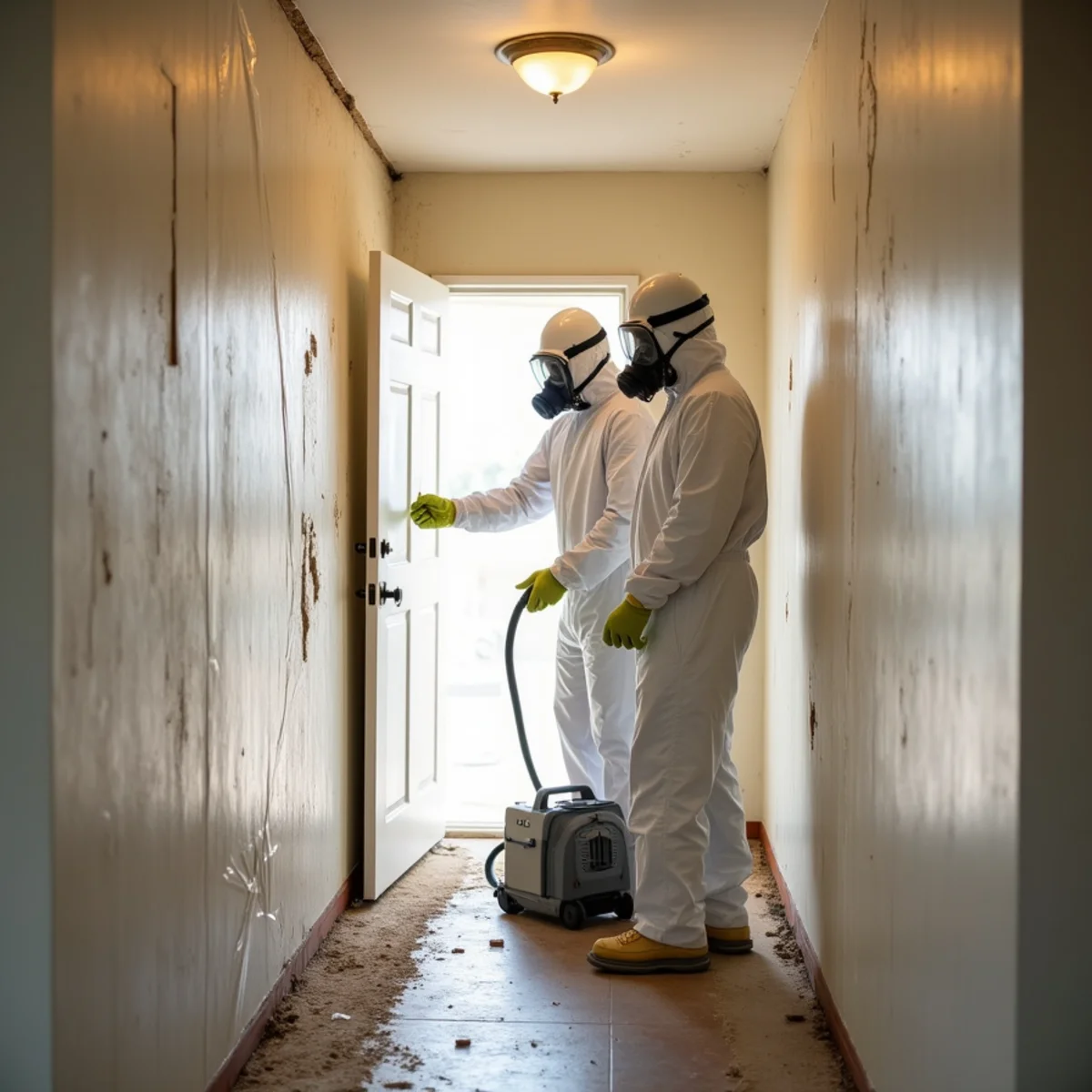
Call for a mold inspection if you notice a musty smell that lingers after the weather dries out, a stain that grows between storms, swollen baseboards, or spotting on window sills or closet walls. If a leak already soaked drywall, flooring or insulation, mold after water damage is the service that measures, dries and removes what cannot be saved. Larger areas of growth call for full mold removal under containment.
If the same closet or window wall spotted again this winter after you cleaned it last year, stop cleaning and find the water. Growth that returns to one place usually means a seasonal moisture source, and no surface treatment will outlast it.
The leak itself still belongs to a roofer or plumber. Call (831) 303-1192 any time; Buena Park Mold & Water Damage Pros answers 24/7 and connects you with the nearest available independent crew. Every mold remediation crew we send is licensed where California requires it, and insured. You get the moisture source identified, photos and moisture readings for your file, and a written scope and price before work starts.
Related questions
What indoor humidity level helps prevent mold in a Southern California home?
Aim for 30 to 50 percent relative humidity, measured with a simple hygrometer in the main living area and bedrooms. Most Buena Park homes sit in that range much of the year, but readings climb during winter storms, on marine layer mornings and in rooms with no exhaust fan. If a room stays above about 60 percent for days, look for the moisture source and improve ventilation.
Should I run a dehumidifier during the rainy season?
Most homes here do not need one all winter. A dehumidifier helps in a specific room that stays damp, such as a closed-up bedroom on the north side, a garage conversion or a room drying out after a small leak. Empty or drain it daily and watch the hygrometer. If humidity stays high even with a dehumidifier running, something is still letting water in.
Can I paint over a water stain after a storm?
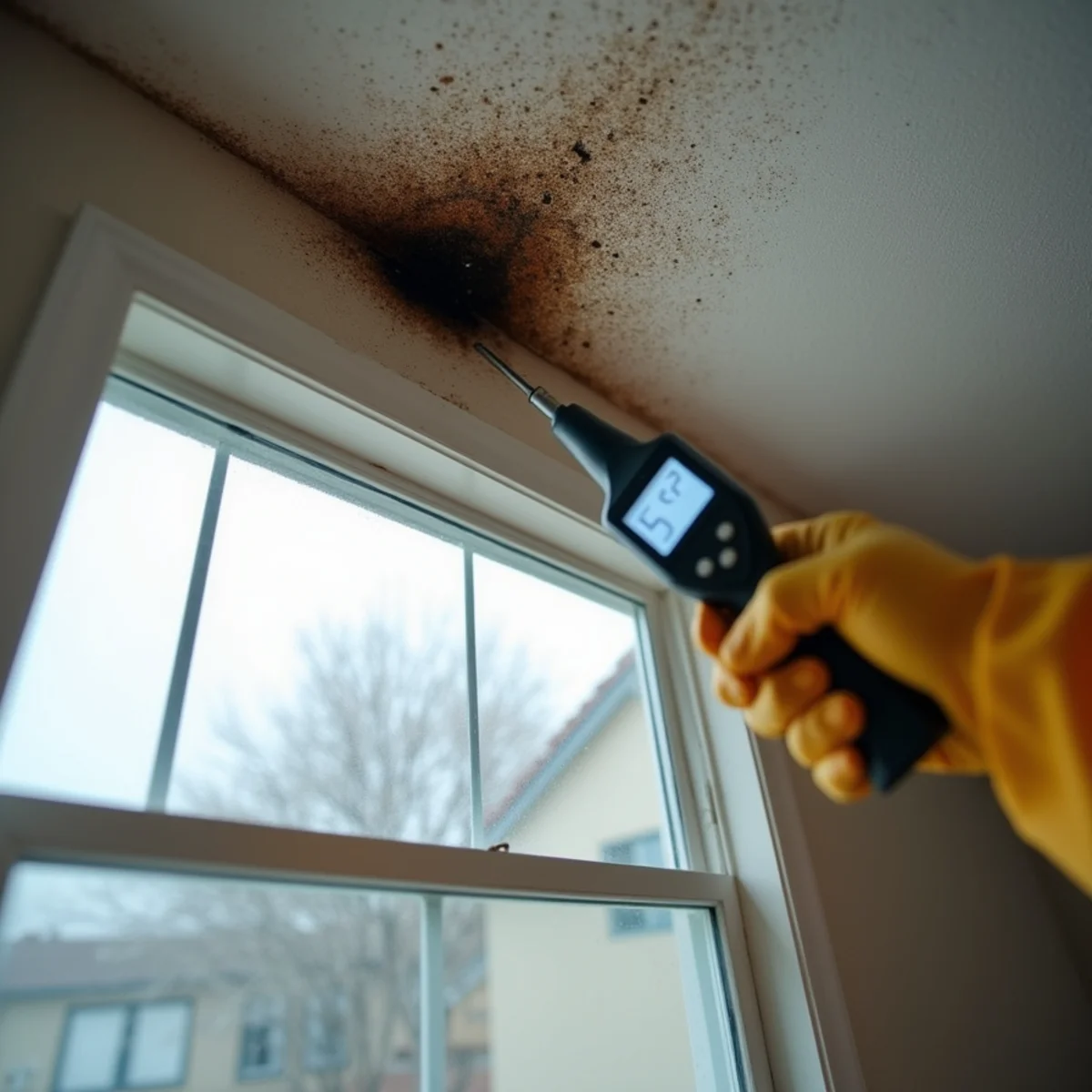
Only after the leak is fixed and the material has been checked with a moisture meter and reads dry. Painting over a damp stain traps moisture and hides any growth starting behind it. If the drywall is soft, the stain keeps growing, or you smell mustiness, have it inspected before you prime and paint. A stain-blocking primer is fine for a stain that is truly dry.
Do I need a mold inspection after every big storm?
No. Most storms only call for your own walk-through of ceilings, window sills, exterior closets, baseboards and the attic. Book an inspection when you find something you cannot explain or dry quickly: a stain that grows between storms, a musty smell that lasts after the weather clears, wet insulation, or material still damp after 48 hours. Those point to water inside a wall or ceiling, which a moisture meter can trace.