Slab Leaks and Mold in North Orange County's 1950s and 1960s Homes
By Buena Park Mold & Water Damage Pros 8 min read
Quick answer
A slab leak is a break in a water line running through or under the concrete floor, and in north Orange County's 1950s and 1960s tract homes it is one of the most common hidden causes of mold. Water wicks into flooring and the bottom of drywall, so mold usually shows first as a musty smell, swollen baseboards or lifting floors. Have a plumber fix the leak, then have wet materials measured, dried and, where mold has grown, removed under containment.
Why north Orange County tract homes get slab leaks
Most single-story homes built across Buena Park, La Palma and La Mirada after World War II sit on a concrete slab poured on the ground, with copper water lines in or under it. Buena Park's median build year is 1965. La Mirada grew from roughly 100 homes to more than 8,000 by its 1960 incorporation, and most of La Palma went up between 1960 and 1980. That copper has sat under concrete for 50 to 70 years.
Orange County's water is hard, around 15 grains per gallon, and over decades it wears at the inside of the pipe while soil and concrete work at the outside. Pinhole leaks form, often on the hot water side, and often where a line rubs against gravel or rebar.
Why the leak turns into a mold problem
A slab leak rarely floods a room. It releases a slow trickle that the slab soaks up and passes into whatever sits on top: carpet pad, flooring backing, the bottom inches of drywall and the baseboard. They stay damp for weeks with no visible puddle, and by the time paint stains, the wall has usually been wet for a while.
Signs of a slab leak you can check yourself
No single sign proves a slab leak, but two or three together are worth a plumber's visit.
- Warm spots on the floor, often in a hallway or near the kitchen, from a leaking hot water line.
- Hissing or running water when every faucet, toilet, appliance and irrigation valve is off.
- A water bill that keeps rising with no change in how the household uses water.
- Damp or swollen baseboards, bubbling paint at the bottom of a wall, or a faint tide line on drywall.
- Cupped hardwood or lifted vinyl, where boards curl at the edges or vinyl plank loses its grip over one area.
- A musty odor near slab-edge walls, especially exterior walls and closets where air does not move.
Run a simple water meter test
- Turn off every fixture and appliance, and pause the irrigation controller.
- Find the meter, usually in a concrete box near the curb, and note the reading and the small leak indicator.
- Wait 30 minutes to an hour without using water, then check again.
- If the indicator moved, close the main shutoff at the house and watch again. If the meter stops, the leak is on the house side.
A running toilet or dripping irrigation valve will also move the meter, so the next call is a plumber with leak detection equipment, not a jackhammer.
The plumber fixes the pipe, the mold crew handles the rest
Slab leaks involve two trades. A licensed plumber locates the leak with acoustic gear, thermal imaging and pressure tests, then repairs it. We do not repair pipes. Our side of the job starts once the water is stopped.
Repair options your plumber may offer
- Spot repair: open the slab at the leak, replace the damaged section and patch the concrete. Reasonable for one leak on otherwise sound pipe.
- Reroute: abandon the failed line and run a new one through the attic or walls, usually in PEX or copper.
- Repipe: replace the whole supply system overhead, common after a second leak, since the rest of the copper is the same age.
Which option fits is a plumbing decision. Ask for it in writing: California generally requires a written contract for home improvement work over $500.
What the mold side of the job looks like
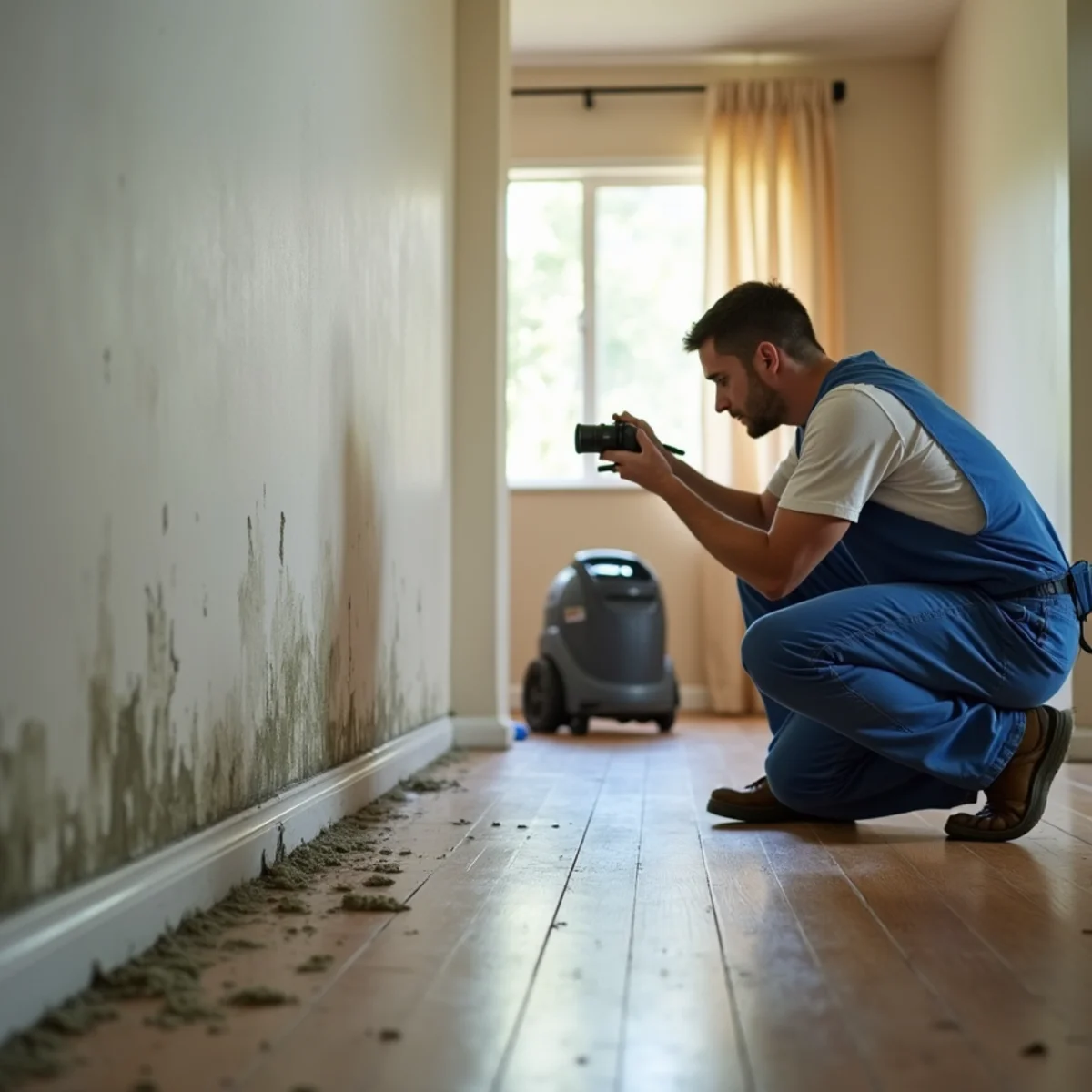
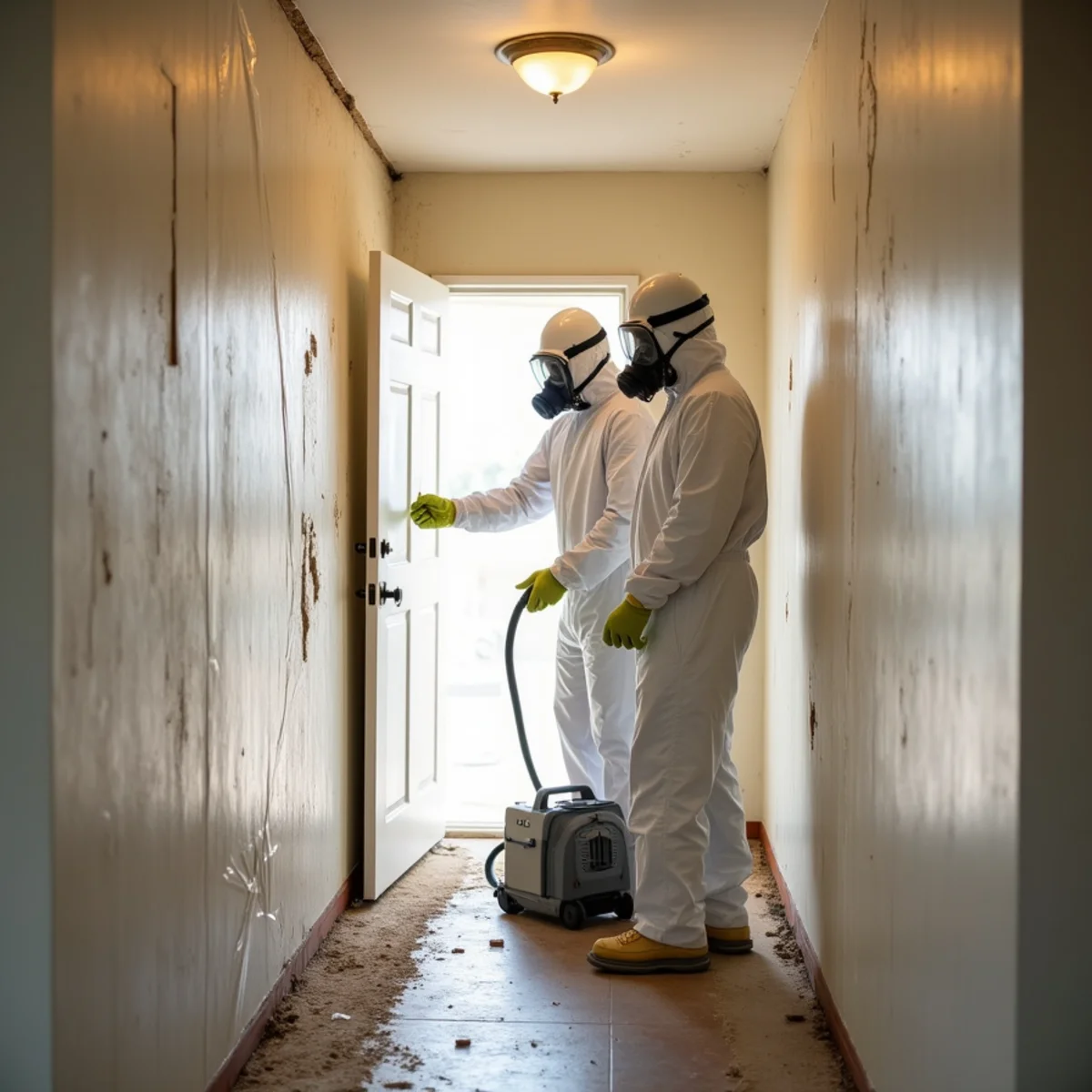
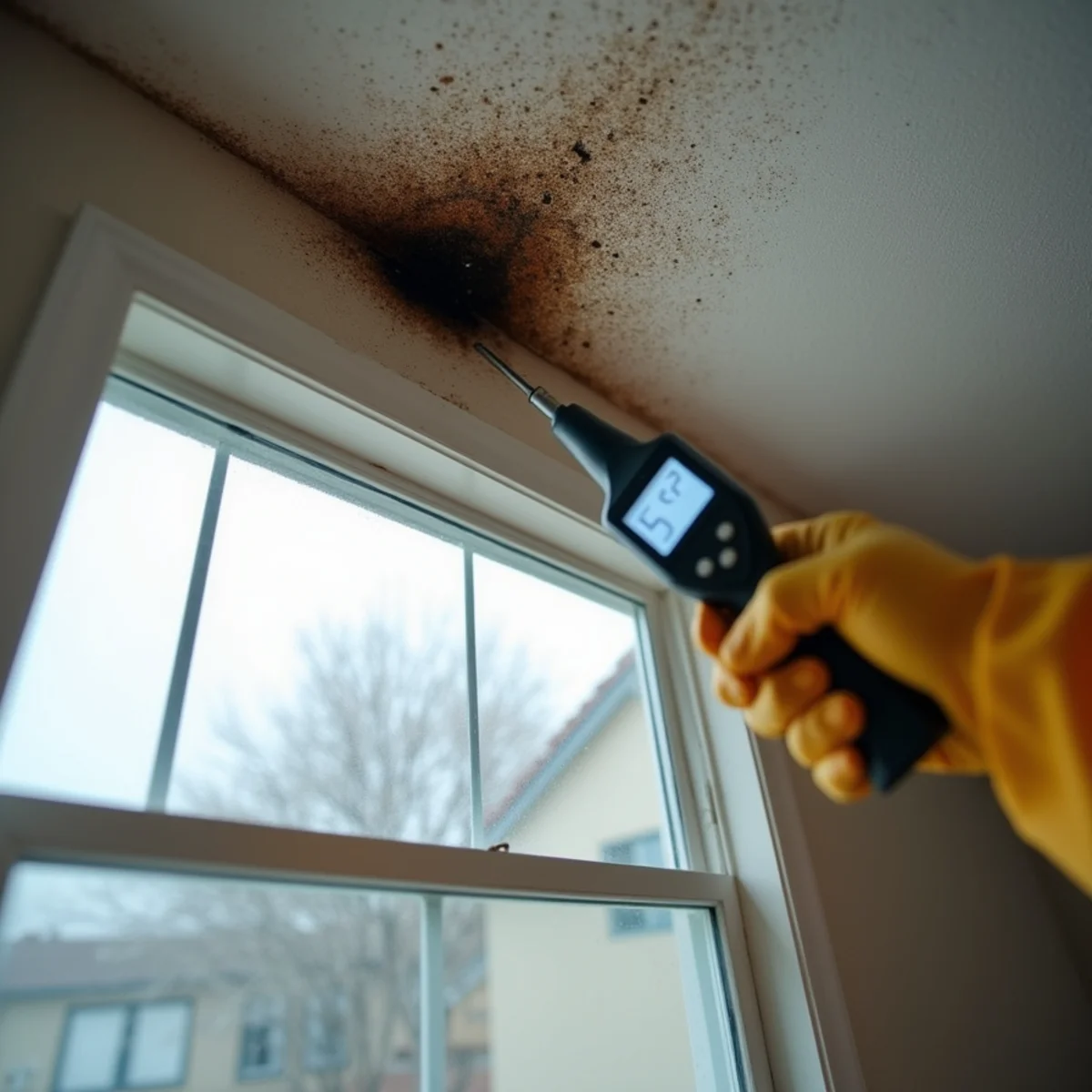
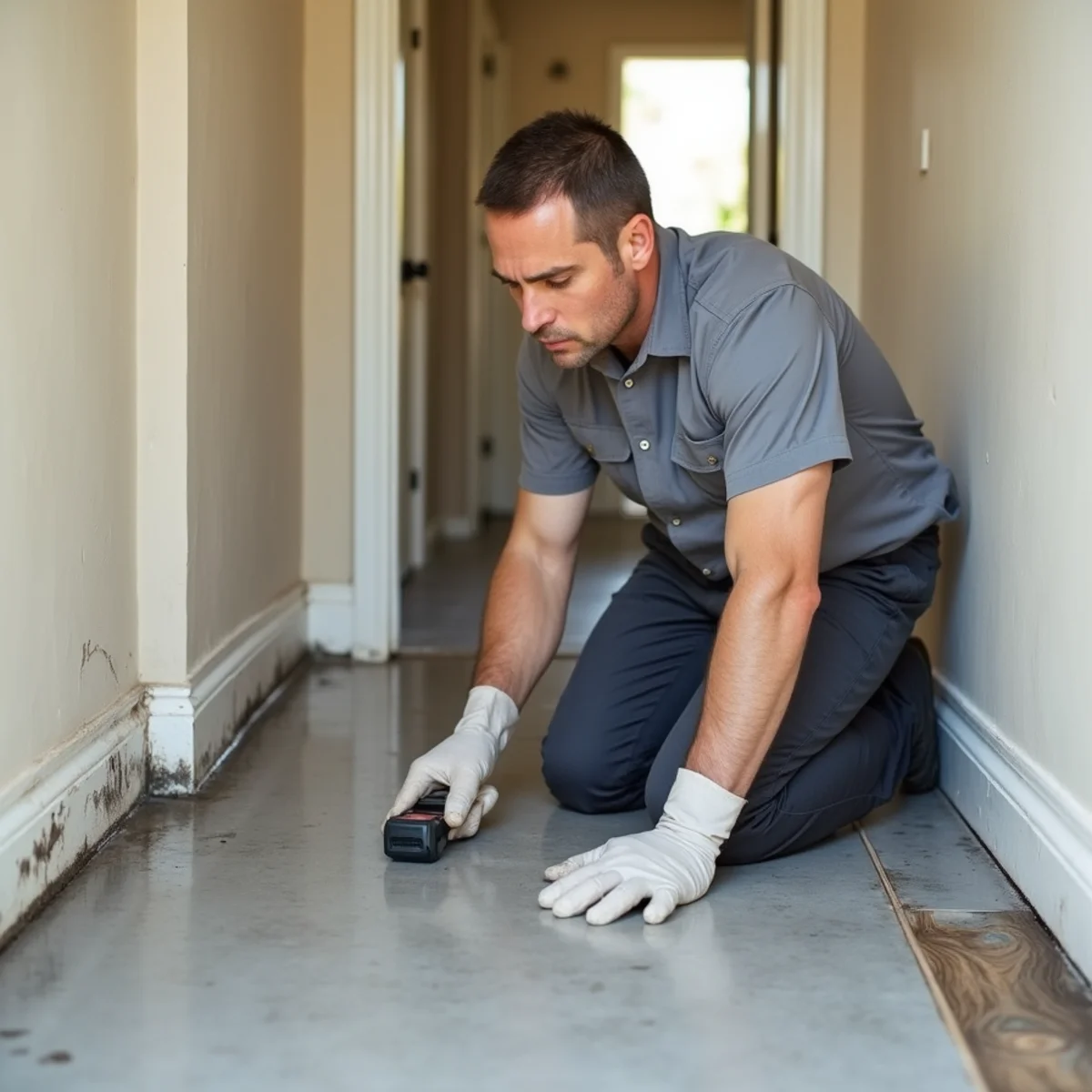
Once the leak is stopped, the questions are what got wet and for how long. Mold after water damage work starts with moisture mapping on baseboards, drywall and the slab to find where the wet area ends. Materials caught early may only need drying. Drywall and baseboard that grew mold are cut out past the visible growth inside plastic containment with HEPA filtration, following the containment and removal approach described in IICRC S520.
Flooring often has to come up so the slab can dry, because new flooring over a damp slab can restart the problem. Readings should confirm the slab and walls are dry before anything goes back.
Keep plumbing and mold separate in the written scope
Slab leak jobs go wrong in the gap between trades. Ask each one to put its part in writing, so you, and an adjuster if there is a claim, can see who did what.
- Plumber: where the leak was, the likely cause, the repair method, and who patches any opened slab.
- Mold crew: affected rooms and materials, measured wet boundaries, containment, what is removed versus dried, and when readings are taken.
- Asbestos survey, if needed: completed before any flooring or drywall is disturbed, with abatement by a separate certified contractor.
- Flooring and drywall rebuild: who does it, and which dry readings have to be met first.
A vague line such as "mold treatment" with no rooms, materials or methods is a reason to ask questions before signing.
Check for asbestos before tearing out old flooring
Slab leak fixes often mean pulling up floors, and in a 1960s Buena Park or La Palma house, original vinyl may still sit under a newer layer. Do not scrape it up yourself to see how far the water went.
The survey has to be done by someone certified by Cal/OSHA, and it belongs before anyone pulls up flooring to reach the leak or dry the slab, not after. Keep a copy of the report with your plumbing and mold paperwork.
Slab leak mold around La Palma, La Mirada and Buena Park
Similar tract layouts produce similar trouble spots: hot water often runs from a garage or hall-closet water heater under the hallway to the bathrooms and kitchen, so warm hallway floors and damp closet walls come up again and again.
In La Palma, calls often start with a swollen bedroom baseboard or vinyl plank that lifted in the kitchen. In La Mirada, where much of the housing dates from the 1950s boom, owners who already fixed one slab leak often call about damp walls in another room, which is when a reroute or repipe makes sense.
Winter muddies the picture. After the January 2023 and February 2024 atmospheric-river storms, some owners blamed a damp wall on rain when a slab leak had run for months. A careful inspector rechecks once Santa Ana winds dry things out.
What to do if you suspect a slab leak and mold
- Run the meter test. If it moves, call a licensed plumber for leak detection.
- Photograph stains, damp baseboards and lifted flooring before anything is moved. Our guide to homeowners insurance and mold in California explains what policies usually look at.
- Keep people with asthma, infants, older adults and anyone with a weakened immune system out of affected rooms, and talk to a doctor about symptoms.
- Do not pull up old flooring or cut drywall in a pre-1980 home until asbestos has been checked.
- Book a mold inspection once the leak is found, so readings and any growth are documented before repairs cover them up.
Call (831) 303-1192 any time. Buena Park Mold & Water Damage Pros answers 24/7 and connects you with the nearest available independent mold remediation crew. Every mold remediation crew we send is licensed where California requires it, and insured. You get the moisture source identified, photos and moisture readings for your file, and a written scope and price before any mold removal starts.
Related questions
Will homeowners insurance pay for mold from a slab leak?
It depends on your policy and on how long the leak ran. Many California policies treat a sudden, accidental leak differently from long-term seepage, and mold is often excluded or capped with a sublimit. Some policies pay to open and restore the floor but not to fix the pipe itself. Read your own policy, report the leak promptly and keep photos and moisture readings. We never promise coverage.
How long after a slab leak repair can new flooring go down?
There is no fixed number of days. A slab that absorbed water for months can take weeks to dry, while a leak caught early may dry much faster with fans and dehumidifiers. The answer comes from moisture readings on the slab and walls, taken until they reach normal levels. Laying flooring over a damp slab is one of the most common ways mold comes back.
Can a slab leak cause mold under carpet with no visible signs?
Yes. Carpet pad soaks up water from the slab and holds it out of sight, and the tack strip along the wall can grow mold before any stain reaches the baseboard. The usual clues are a musty smell, carpet that feels cool or damp underfoot and a rising water bill. A moisture meter reading on the carpet and baseboard, or lifting one corner of the carpet, settles the question.
Who should I call first for a slab leak, a plumber or a mold company?
The plumber, if water is still running. The leak has to stop before anything can dry. Book a mold inspection as soon as the leak is found, though, so wet walls and flooring are measured and photographed before the repair covers them up. In a pre-1980 home, the asbestos survey also comes before any flooring is lifted.